








A peace deal between the United States and Iran may look like a distant diplomatic development, but its impact could be felt in Indian kitchens, fuel stations, airports and even monthly loan payments.
The draft agreement centres on five key commitments: reopening the Strait of Hormuz, extending the ceasefire by 60 days, beginning sanctions relief for Iran, launching fresh nuclear negotiations and creating a roadmap for a broader settlement.
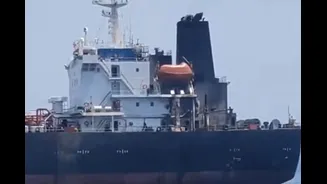
Markets have already reacted positively, especially amid news that shipping through the Strait of Hormuz could normalise, with oil prices falling more than 4 per cent.
ALSO READ | Iran-US Deal: How Crude Oil, Gold, Sensex, Rupee and Bitcoin Reacted to Peace Breakthrough in West Asia
For India, one of the world’s largest energy importers, the consequences could be significant.
1. Petrol And Diesel Prices
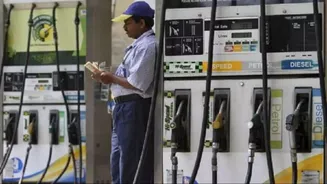
The biggest beneficiary would likely be Indian motorists.
India imports more than 85 per cent of its crude oil requirements, and a large share of those imports originates in or passes through the Gulf region. The Strait of Hormuz alone carries about 20 per cent of global oil trade.
During the conflict, fears of disruption pushed oil prices sharply higher and forced importers to pay a “risk premium”. With the Strait of Hormuz expected to reopen and sanctions on Iranian oil potentially easing, additional supply could enter the market and lower prices.
ALSO READ | Oil Prices Fall After US-Iran Deal, But Hormuz Recovery May Take Weeks As 500 Ships Remain Stuck
For Indian consumers, that could eventually translate into lower petrol and diesel prices or at least fewer fuel price hikes.
2. Airfares Could Become Cheaper
Fuel is typically one of the largest operating expenses for airlines. A decline in crude oil prices usually lowers aviation turbine fuel (ATF) costs, which can help airlines reduce fares or offer more discounts.
This matters particularly for India because domestic aviation demand is booming, millions of Indians travel annually to the Gulf, and international routes to Europe often pass through Gulf airspace.
Lower ATF costs could make both domestic and international travel more affordable over time.
3. Food Inflation Could Ease
The relief is not just in diesel and petrol prices. Diesel powers trucks carrying vegetables and fruits, agricultural machinery, cold-storage logistics, and inter-state food transportation.
The Strait of Hormuz crisis also affected fertiliser markets because Gulf producers account for a significant share of global urea exports.
ALSO READ | Iran Says Hormuz ‘Completely Closed’: These 7 Everyday Items Could Become More Expensive For You
For Indian households already dealing with volatile vegetable prices, even a modest reduction in transportation and input costs could make a noticeable difference.
4. LPG Cylinders And Household Energy Costs Could Benefit
India remains heavily dependent on imported energy.
A reopening of Hormuz and the possible return of Iranian oil exports could reduce pressure across energy markets, including LPG and natural gas.
According to analysts cited by several market observers, one of the biggest economic gains from the proposed deal is the reduction in shipping costs and insurance premiums that surged during the conflict.
Lower import costs give the government more room to keep LPG prices stable, reduce subsidy burdens, and avoid steep increases in household fuel costs.
5. Lower Inflation Could Mean Cheaper Loans
The biggest benefit may be one that consumers do not immediately notice.
Energy prices influence almost every sector of the economy. When oil prices rise, transportation, manufacturing and food costs typically rise as well.
When oil falls, inflation tends to soften. That gives the Reserve Bank of India greater flexibility to maintain lower interest rates or consider rate cuts if economic conditions permit.
For consumers, that can eventually translate into cheaper home loans, lower car-loan EMIs, and more affordable business borrowing.
Why India Has More At Stake Than Most Countries
India is particularly exposed to developments in the Gulf.
According to market analysts, nearly 60 per cent of India’s crude imports are linked directly or indirectly to shipping routes that pass through the Strait of Hormuz. The closure of the waterway triggered concerns about inflation, supply disruptions and the current account deficit.
The proposed agreement therefore represents more than a diplomatic breakthrough. It could mean cheaper energy, lower inflation, reduced shipping costs and greater economic stability for a country that imports most of the fuel it consumes.
That is why a peace deal negotiated between Washington and Tehran may end up affecting Indian households far more than many people realise.