








The conflict in West Asia has plunged the world into a volatile situation, with global supplies disrupted and energy prices soaring. In India, too, the prices of LPG cylinders and cooking gas supplies skyrocketed.
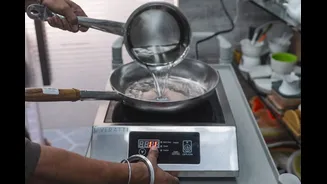
And the conditions left the Indian households with little choice but to switch to induction cooktops. Guess what? The sale of inductions saw a significant surge, with demand so high that several models went “out of stock” on major online shopping platforms.
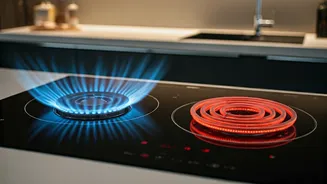
While traditional gas stoves rely on combustion to create an open flame, an induction cooktop simply evades this combustive chemical reaction.
So how does it manage to prepare your food? Let us explain:
Beneath the sleek ceramic or glass surface of an induction cooktop lies a tightly wound copper coil. Turning on the stove completes the circuit, allowing alternating current (AC) to flow through the coil.
This AC generates a rapidly changing magnetic field just above the cooktop.
When a ferromagnetic pot or pan is placed on the surface, the magnetic field induces electric currents in the cookware itself. These currents generate heat directly within the metal, cooking the food efficiently while the cooktop surface remains relatively cool to the touch. The only heat it acquires comes from contact with the pan.
But why can’t we use all cookware with induction cooktops? The answer lies in the fact that induction is compatible with ferromagnetic cookware — materials like iron or certain steels.