






Parts of India have been experiencing intense cold waves, with temperatures dipping to unexpectedly low levels in Delhi, Gurgaon, Chandigarh, Lucknow and Rajasthan. While these intense cold waves might
be seasonal, their impact on the overall joint and muscle health is far more serious than people often realise.
Some parts of Northern India, such as Lucknow, have witnessed a 30% rise in joint and muscle pain cases reported at orthopaedic outpatient departments among both youth and the elderly. Additionally, severely polluted air, especially high concentrations of PM2.5, further escalates pain, stiffness and inflammation among patients suffering from osteoarthritis (OA), rheumatoid arthritis (RA) and other chronic joint disorders.
Yet, winter-related discomfort remains under-recognised, with many ignoring symptoms as temporary stiffness rather than a preventable health issue.
So why does cold weather worsen joint pain, and what can people do to protect themselves? Dr Abhishek Samuel, MS Ortho – Advisor, Orthopaedic and Mobility Aids Division, Leeford Healthcare Limited, explains how winter affects musculoskeletal health and the practical steps people can take to stay mobile and c.
“Physiological changes during winter lead to a condition called ‘vasoconstriction’ (narrowing of blood vessels) that reduces blood flow to the extremities’ muscles and joints, leading to stiffness and reduced flexibility. The synovial fluid that lubricates joints also becomes more viscous (thicker) in lower temperatures, hindering smooth joint movement and amplifying discomfort. As a result, prolonged exposure to cold weather significantly tightens muscles and aggravates existing orthopaedic conditions, often catching people off guard when pain suddenly interferes with daily life, leaving them with reduced mobility, disrupted daily activities, and a diminished quality of life,” he says.
He goes on to add, “Consistent pain in knees, lower back, shoulders and neck are some of the most common issues facing people during cold spells.”
While anyone can experience stiffness in varied body parts during winter, certain age groups, such as the elderly and individuals with previous joint injuries or implants, osteoarthritis (OA), and rheumatoid arthritis (RA), are more vulnerable.
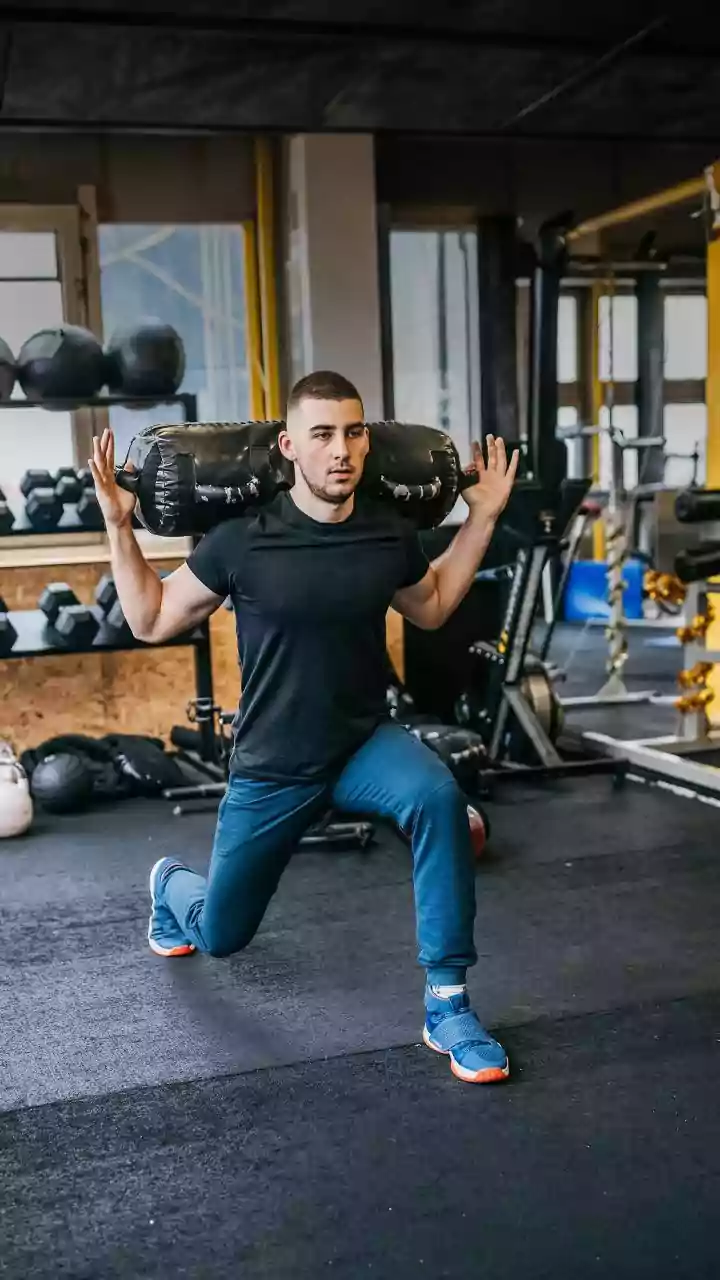
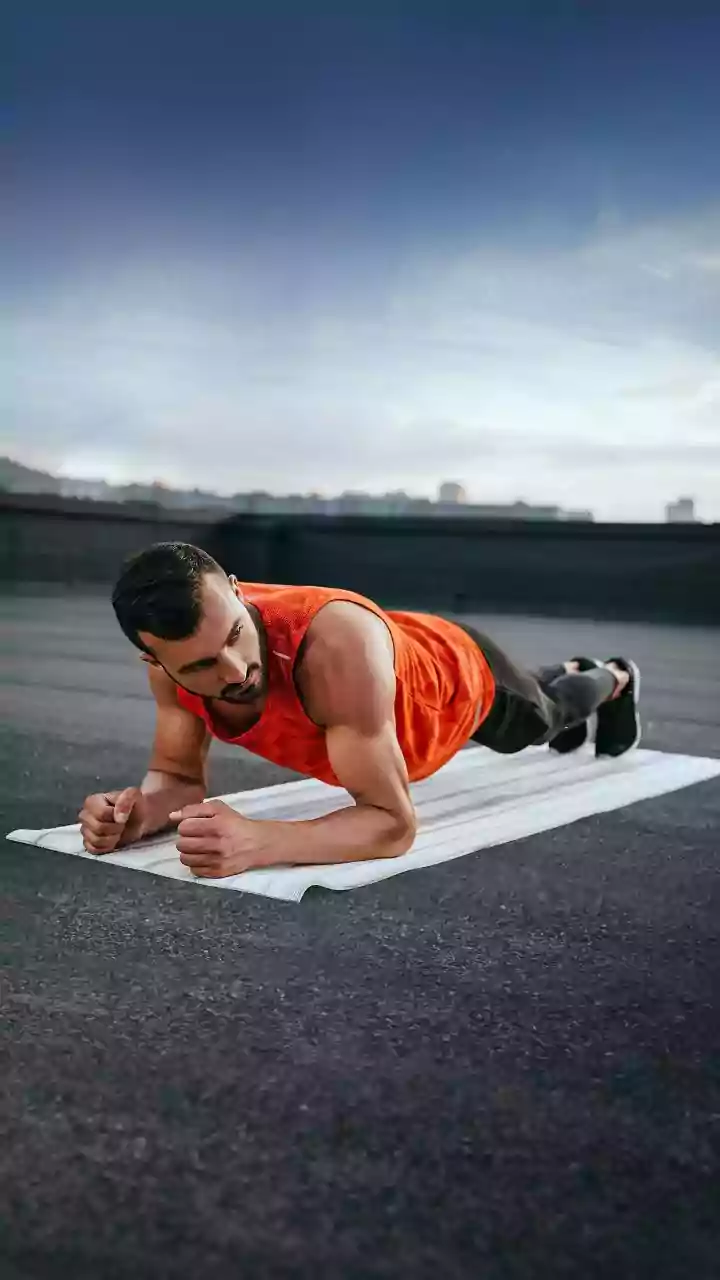
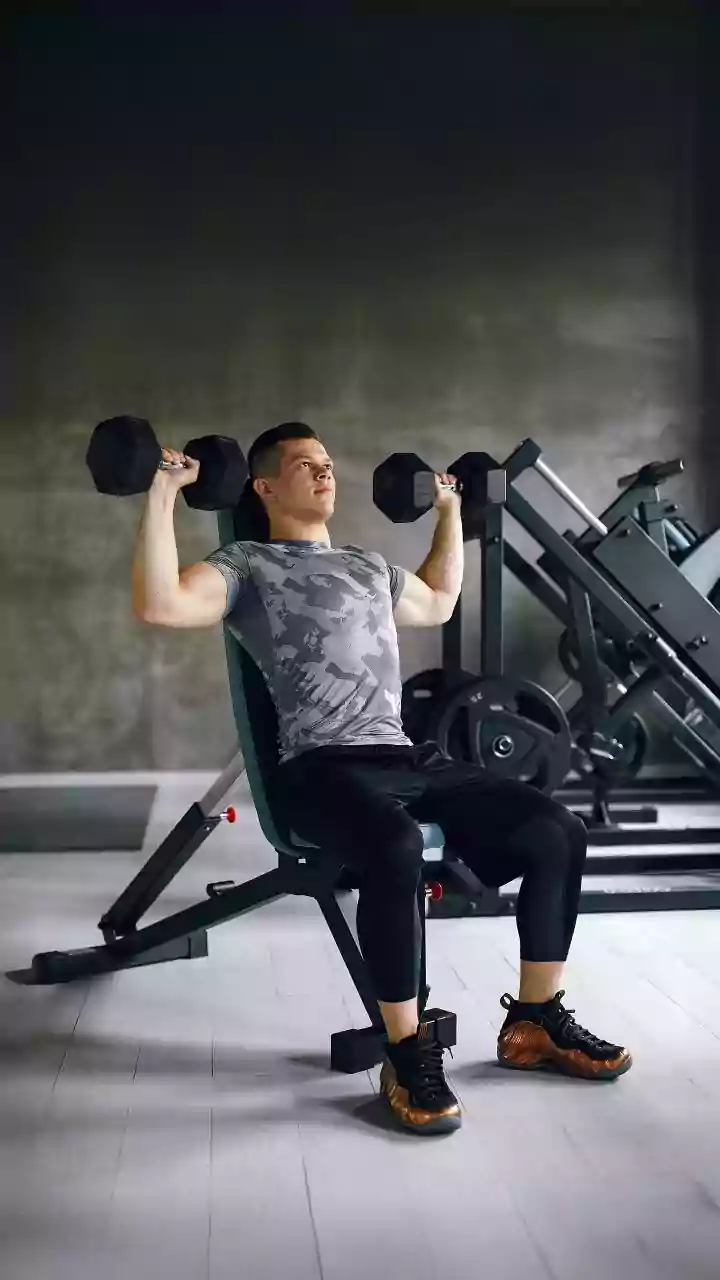
At the same time, fitness enthusiasts such as regular gym-goers, athletes who practice running, and yoga practitioners are also at increased risk during intense cold conditions, as low temperatures can tighten muscles and reduce flexibility, making them more prone to strains and injuries unless appropriate preventive measures are taken.
“Muscle strains, ligament strains, lower back sprains, lifter’s elbow (often known as tendinitis), hamstring pulls, and ankle and wrist strains become more common among fitness enthusiasts during the winter. If ignored, these seemingly temporary issues may lead to long-term musculoskeletal problems, reduced joint stability, and chronic pain as consequences of prolonged winter stress on the body,” he says.
To counter the heightened risk of musculoskeletal pain, individuals already suffering from such conditions and fitness enthusiasts must consider orthopaedic aids, such as shoulder supports, elbow supports, binders, ankle supports, wrist and elbow wraps, and lumbar belts, as a critical preventive tool during this period.
“Orthopaedic aids are instrumental in providing external support and play a vital role in improving overall joint alignment, reducing undue stress on muscles and ligaments during physical activities. Moreover, these aids help stabilise vulnerable joints, especially among individuals who are already suffering from some sort of musculoskeletal disorder, and minimise the risk of overuse and injuries, especially during intense cold waves,” he says.
With rising pollution and weather patterns expected to change, addressing musculoskeletal stress, awareness and early intervention remain crucial to preserving mobility and quality of life across age groups. By adopting a proactive approach to joint care during winter, individuals can continue their daily routines and fitness regimens, ensuring that the cold season does not compromise their overall musculoskeletal health and mobility.