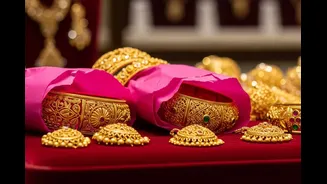





If you have ever bought gold or silver from a traditional jewellery store, you may have noticed that the ornament was once wrapped in a small sheet of pink paper before being placed in a box. While modern
showrooms now prefer branded velvet cases and designer packaging, this simple pink wrapper used to be a common sight across India. So why was pink paper used, and what was the logic behind it?
According to jewellery traders, the practice was not merely aesthetic or sentimental, it had a practical purpose rooted in preservation.
A Tradition That Spanned The Country
Before the rise of luxury packaging and customised boxes, jewellers across the country relied on coloured paper, especially pink, to wrap precious items. The idea was to separate valuable jewellery from other goods and mark it as special. Over time, the pink wrapper became associated with exclusivity and care, creating a visual cue that the item inside was precious.
Even today, some small or family-run jewellery shops continue the tradition, though it is far less common in large urban stores where branding and presentation have taken centre-stage.
The Science Behind The Pink Paper
While many assumed it was simply a cultural or sentimental practice, jewellers say there was also a scientific angle. Gold and silver ornaments are expensive purchases, and buyers naturally want them to retain their shine for years. Wrapping jewellery in pink paper was believed to help preserve its lustre and prevent early tarnishing, especially for silver items that are more prone to dullness.
The colour itself was not random. Pink paper often came with a mild protective coating that reduced exposure to moisture and air — two major factors that affect the appearance of metals. Other coloured papers did not always offer the same benefit, which is why pink became the preferred choice.
Protection From Air, Moisture And Scratches
Beyond preserving shine, the paper served several protective functions. Wrapping jewellery acted as a buffer against humidity and dust, both of which can gradually affect the surface of metals. It also reduced the risk of scratches, loosened stones, or minor abrasions during handling and storage.
While pure gold does not rust, most jewellery is not made of 24-carat gold. To increase durability, jewellers typically mix gold with metals such as copper or silver. These alloys, unlike pure gold, can react with moisture and oxygen in the air, leading to slight discolouration over time. The pink paper acted as a thin protective barrier that slowed this process.
Why The Practice Is Fading
With the growth of organised retail jewellery chains, packaging has become more about branding and customer experience than preservation alone. Velvet-lined boxes, tamper-proof seals, and anti-tarnish pouches now perform the same function more effectively while also enhancing presentation.
Still, the pink paper tradition remains a small but interesting reminder of how practical knowledge and simple materials once played a big role in protecting precious items.