



The United States has informed Israel that upcoming negotiations with Iran will focus on eliminating Tehran’s nuclear capabilities and curbing its missile programme, according to a report by The Times
of Israel.
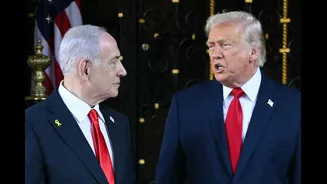
Citing an official familiar with the discussions, the report said the Trump administration intends to “stick to its guns” in insisting that Iran remove all nuclear material from the country, halt uranium enrichment and “remove the ballistic missile threat and more.”
LIVE Updates On The US-Iran War
“These are shared goals of Israel and the US,” the official said, underlining alignment between Washington and Jerusalem on the core objectives of the negotiations.
The official further claimed that Iran softened its stance amid sustained military pressure, saying Tehran “backed off its demands and gave in to the demand to open the straits amid the massive crushing of regime infrastructure since the outbreak of the war and particularly in recent days.”
TRUMP CALLS TRUCE A ‘TOTAL AND COMPLETE VICTORY’
US President Donald Trump described the outcome of the ceasefire negotiations as a decisive success for Washington.
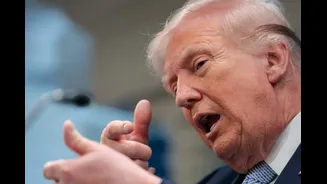
“Total and complete victory. 100 per cent. No question about it,” Trump said in a brief telephone interview with AFP shortly after the truce was announced.
Trump also told AFP that Iran’s uranium would be “perfectly taken care of,” suggesting confidence that the issue would be addressed as part of the negotiation process.
He further indicated that China played a role in bringing Iran to the negotiating table, saying he believes Beijing encouraged Tehran to engage in talks.
CEASEFIRE AGREED HOURS BEFORE DEADLINE
The United States and Iran agreed to a two-week ceasefire less than an hour before Trump’s deadline for potential escalation expired.
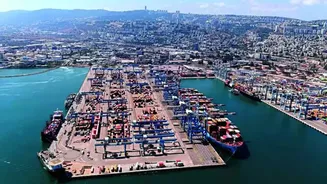
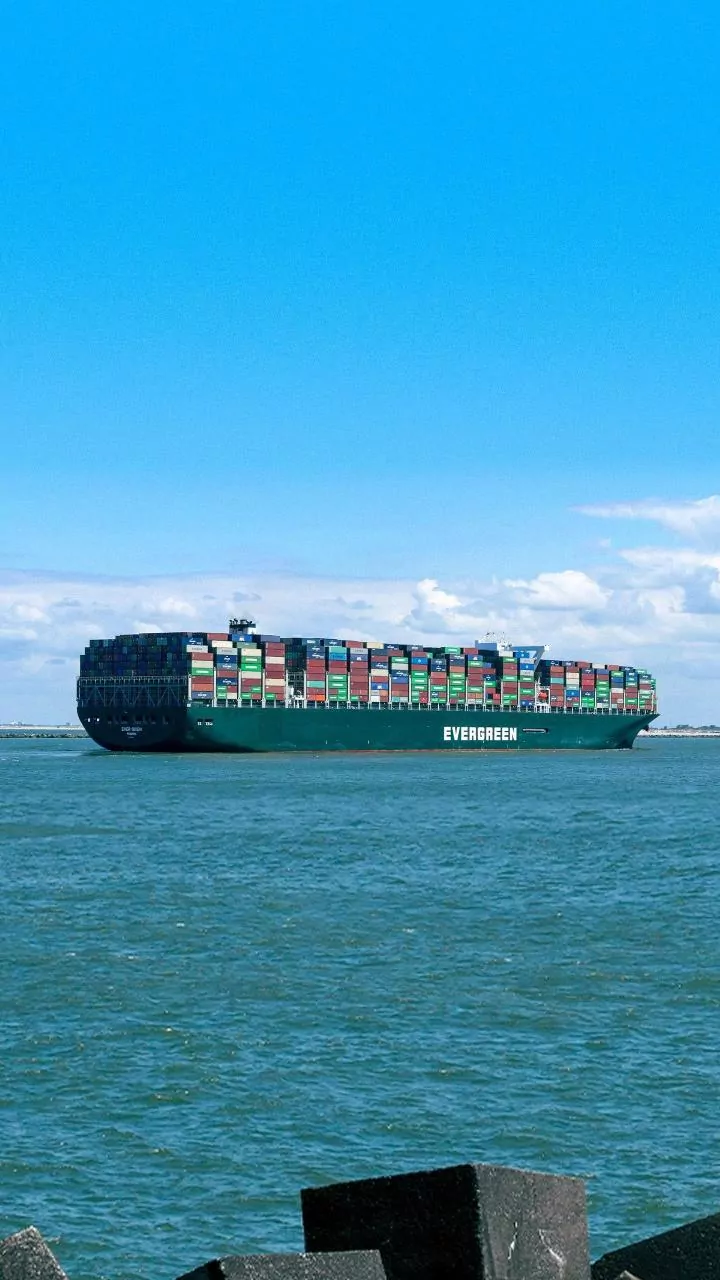
Under the agreement, Iran will temporarily reopen the Strait of Hormuz, a vital maritime route through which around one-fifth of global oil supply passes.
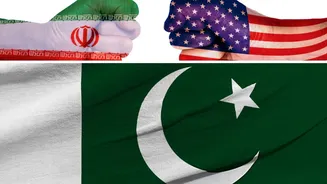
Trump said he agreed to suspend military action after discussions with Pakistan’s leadership.
“Subject to the Islamic Republic of Iran agreeing to the COMPLETE, IMMEDIATE, and SAFE OPENING of the Strait of Hormuz, I agree to suspend the bombing and attack of Iran for a period of two weeks,” Trump wrote on Truth Social.
Iranian Foreign Minister Abbas Araghchi confirmed that ships would be allowed safe passage through the strategic waterway for two weeks, stating that Iran’s armed forces would halt defensive operations if attacks on the country stopped.
Israel did not immediately issue a response to the ceasefire announcement.
MILITARY PRESSURE AND INFRASTRUCTURE STRIKES
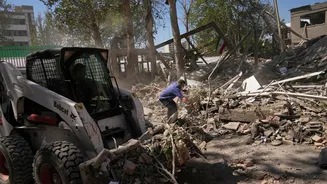
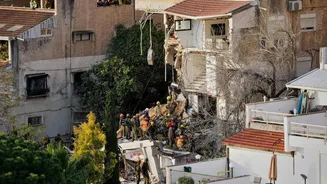
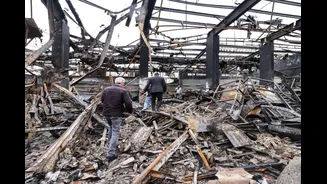
AFP reported that the United States and Israel carried out strikes on key infrastructure shortly before the ceasefire deadline.
Israeli Prime Minister Benjamin Netanyahu said targets included railways and bridges allegedly used by Iran’s Revolutionary Guards.
Iranian authorities reported strikes on infrastructure, including a bridge near Qom and a railway bridge in central Iran, which they said resulted in fatalities.
The Israeli military also acknowledged damaging a synagogue in Tehran during an operation targeting a senior Iranian commander, issuing a rare expression of regret.
Iran has launched drone and missile attacks targeting Gulf states hosting a US military presence in recent weeks.
Authorities in Qatar said four people were injured by falling missile debris, including a child, while explosions were reported in Bahrain and Saudi Arabia.
In Baghdad, police said a projectile struck a home, killing two civilians, including an eight-year-old child, AFP reported.
MARKETS RESPOND TO DE-ESCALATION SIGNALS
Oil prices fell sharply following news of the ceasefire, dropping more than 17 per cent as concerns over disruption to global supply eased.
Stock markets in Asia also rose in early trading, reflecting investor optimism about the potential for further diplomatic progress.
Trump said the United States was “very far along” in negotiating a longer-term arrangement with Iran, noting that Tehran had presented a 10-point plan he described as “workable.”
However, Iranian public positions have included demands such as lifting longstanding US sanctions, maintaining influence over the Strait of Hormuz and the removal of US forces from the region.
UNCERTAINTY OVER LONG-TERM OUTCOME
While the ceasefire signals a pause in hostilities, uncertainty remains over whether negotiations can produce a durable agreement.
The conflict has intensified regional tensions and caused damage to infrastructure across multiple countries.
Trump has asserted that Iran was close to developing an atomic weapon, an assessment not supported by the United Nations nuclear watchdog and several observers.
A potential agreement, if reached, could shape the future security dynamics of the region, even as broader geopolitical tensions persist.