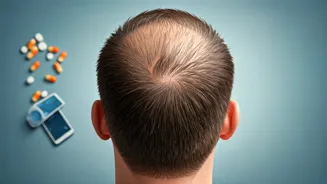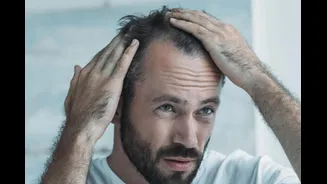




Hair loss is no longer a concern reserved for men in their 30s or 40s. Increasingly, it is showing up much earlier, sometimes even before the age of 25. And while genetics has long been seen as the primary
cause, experts say the real driver today is far more immediate: lifestyle.
“Hair loss isn’t just about looks, it affects confidence, mental health, and how young men approach daily life,” says Saloni Anand, co-founder, Traya Health.
According to data from Traya Health, the trend is significant. “Our study across 5 lakh men found that 50% facing hair loss are under 25. This isn’t a genetics problem. It’s a lifestyle,” she notes.
This shift is also being reflected in clinical settings. Dermatologists are seeing more young men walk in with concerns that were once associated with a much older demographic.
“Hair loss used to be something men worried about in their 30s or later. Now, more men in their early 20s are noticing thinning, shedding, and receding hairlines,” says Dr Divya Poulose, Consultant Dermatologist, Traya Health.
While hereditary factors still play a role, they are no longer the dominant explanation in many cases. Instead, everyday habits are emerging as key contributors.
In practice, certain patterns are becoming increasingly common. “Irregular sleep, chronic stress, crash dieting, and low protein intake can disrupt the normal hair cycle, pushing more hair into the shedding phase,” explains Dr Poulose.
The modern fitness culture may also be playing a part. Rapid weight loss or intense workout routines, often undertaken without proper nutritional balance—can lead to deficiencies in essential nutrients such as iron, vitamin D, and B12, all of which are critical for healthy hair growth.
Beyond internal factors, external habits are adding to the problem. Frequent styling, chemical treatments, and heavy use of hair products can gradually affect scalp health. Even lifestyle choices like smoking and excessive caffeine consumption may have a subtle but cumulative impact.
What makes this trend more concerning is the delay in recognising the problem.
“Hair is often the body’s first signal that something internal isn’t right,” says Anand. “But most young men don’t understand the stages of hair loss, they look for solutions only after years of delay, by which point reversal becomes significantly harder.”
This gap between onset and action is where awareness becomes critical. The tendency to treat hair loss purely as a cosmetic issue often leads to quick fixes rather than addressing underlying causes.
“The industry needs to stop treating this as a cosmetic concern. Hair loss is a reflection of internal health,” adds Anand.
The encouraging part, experts say, is that lifestyle-driven hair loss is often reversible, provided the root causes are addressed in time.
“When the trigger is lifestyle, correcting it can gradually restore hair health,” says Dr. Poulose. “Better sleep, balanced nutrition, and stress control may sound basic, but they’re often the most effective treatment.”
Ultimately, hair health is closely tied to overall well-being. As Dr. Poulose puts it, “Hair, in many ways, reflects how well the body is being taken care of.”
More Than a Cosmetic Concern
The rise of early hair loss among Gen Z men signals a broader shift in health patterns, where stress, diet, and lifestyle are beginning to show visible effects much sooner than before.
If there is one takeaway, it is this: addressing hair loss may not start with products, but with how we live.