






Some years ago, I met an old friend after a long gap. We joked about how we had all ‘grown old’. “It’s scary”, he said unexpectedly. At the time, his remark felt out of place and I dismissed it. Ageing
seemed manageable, and I thought I was ageing well — calmer and more at ease than before.
Some years later, as changes in appearance and stamina became harder to ignore, I realised what he’d meant. Ageing is not a sudden event. It is a gradual physiological, neurological and emotional process that occurs over years. The impact becomes evident only when it’s already well underway.
Yet, most wellness systems, including modern Yoga, focus on youth-centric goals. Far less attention is given to senior or geriatric care, which require something else entirely, for both body and mind.
It was in this context that I encountered a Yoga entrepreneur addressing this gap through specialised training in geriatric care. She explained how Yoga education must evolve to meet the realities of an ageing population.
In A Crowded AIIMS Corridor
During her mother’s spine treatment at AIIMS New Delhi, Shivani Gupta, founder of ‘Hellomyyoga’ —— a unique initiative under Startup India — was struck by a realisation. The doctors were skilled and compassionate, yet each patient could receive only a few minutes of attention amid hundreds of waiting patients. It wasn’t incompetence, it was immense pressure stretching the system to its limit.
When she researched demographic studies, the pattern was clear: India was steadily moving towards a senior-citizen-dominant population — while hospitals remained largely designed for acute care, not the needs of ageing individuals.
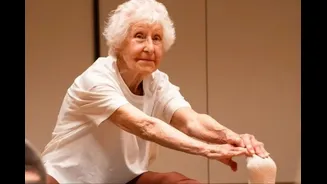
At the same time, Shivani noticed some Hellomyyoga teachers who worked with seniors, and was inspired by the grace with which they were ageing. “Life gives you a sense of purpose after an experience that shakes you to the core,” she says. “That moment became my turning point. I realised that the future will only be harder if we don’t learn to care for ourselves today. So why wait? Why not build body awareness early and take responsibility for our own health before it becomes a struggle?”
The Rise of Solo Ageing & the Cost of Loneliness
When families lived together — grandparents, uncles, aunts and cousins under one roof — emotional support was built into daily life. Shared meals, conversations and laughter contributed to a sense of belonging, and loneliness was rare.
As nuclear families replace joint households, solo ageing is becoming increasingly common. “This aspect disturbs me because we’re already witnessing a sharp rise in mental health issues, especially among seniors,” says Shivani.
More and more seniors now live alone, geographically or emotionally distant from family. Weakened community living has led to an increase in mental health challenges like anxiety, depression, and emotional withdrawal. These issues often manifest physically as aggravated symptoms of existing illness, or slower recovery.
We don’t realise it, but in the process of living our fast-paced lives, we slowly lose touch with family and friends. As ageing sets in, the absence of community becomes apparent, and frightening.
Why Regular Yoga Classes Don’t Work for Seniors
Seniors often join regular classes enthusiastically, only to drop out soon. What goes wrong?
An ageing body does not function the same way every day. On some days, Asanas feel appropriate; on others, the body responds better to breathing practices. There are also days when movement is not required at all — just being outdoors, walking slowly, or having meaningful conversations becomes healing.
Yoga for seniors cannot be standardised. This is why senior Yoga classes cannot be merged with regular Yoga classes. Sessions need to be customised, which means that the Yoga therapist must assess the physical and mental states — daily — and adapt practices accordingly.
Understanding the Ageing Body Before Prescribing Practice
Most Yoga therapists are well-versed in general physiology. But working with older adults demands a deeper understanding of the ageing body. There can be no fixed template for the Asanas that will work, in what sequence, and at what intensity.
What a depressed senior needs is very different from someone who is anxious or living with chronic illness. Even certain Pranayama techniques may be unsuitable for seniors dealing with cardiac or other concerns. Without careful observation, Yoga practices can be ineffective and worse, even unsafe.
Mental and Emotional Well-Being at the Heart of Geriatric Care
Many physical issues we label as ‘age-related’ can be mitigated through Yoga. To expect a 100-percent cure, however, is unrealistic. The more meaningful question is: can we make life better? And the answer is yes.
Aiding mobility and efficient functioning of body parts is a role that Yoga plays well. But equally important is satsang, connection, and creating safe human spaces. When you ask an elderly person about death, the response falls into twin categories: fear, and the wish to pass away peacefully. But dying peacefully means living your remaining years with dignity and emotional stability, despite the decline in physical abilities.
Many health challenges today are psychosomatic — which is why our work begins with mental health. A Yoga therapist will teach postures and pranayama, but also help seniors reconnect with themselves and with others.
The earlier this awareness and practice begins, the easier it becomes for a senior to maintain mental clarity and emotional balance.
Why Geriatric Yoga Must Be Intelligent, Not Merely Gentle
This work is transformative. It is, in fact, ‘intelligent Yoga’. First, because it takes into account the ageing body’s limitations as well as needs — especially when taught with understanding and sensitivity. Second, it can aid in living this phase of life gracefully, with physical and mental balance intact.
Though seniors have immense wisdom from life experiences, they often experience emotional highs and lows — and here, Yoga can become a tool for inner transformation, by creating inner awareness and inner stability that aids ease of living.
Yoga — through breath-regulation and awareness practices — eases psychosomatic patterns, and this can help seniors become calmer and more resilient. Adding the Ayurveda lens — doshas, nutrition, food awareness, seasonal care and daily routines for that age-group — can help improve their vitality and manage lifestyle-related issues.
This way, we want to add life to years — and not years to life. So that ageing, and eventually even death, is approached not with fear but with awareness and a calm acceptance.
Taking Geriatric Care Back Into the Community
The ultimate vision is to help human beings live a healthy life — not to prolong life at any cost, but to preserve its quality.
Hospitals, communities, and residential societies can rethink their approach to geriatric care. Instead of responding to illness, why not proactively invest in preventive and supportive care? Small, well-trained groups, where one therapist works with 10 to 20 senior citizens, can make a huge impact, without a large infrastructure.
“In the near future, my vision is to integrate these programs into ageing-focused ventures already working closely with senior communities,” explains Shivani.