





Long before a word is spoken or an expression is made, something unseen is believed to speak first. It surrounds every individual, shifts constantly, and quietly reflects what is happening beneath the
surface. Known as the aura, this invisible energy field has fascinated spiritual thinkers, healers and modern wellness experts alike.
Some claim its colours change with thoughts, emotions and health, sometimes attracting harmony and at other times, negativity. While science debates its visibility, interest in energy awareness grows. Aura reading is re-emerging as a way to understand what the mind and body may be silently expressing.
Understanding The Concept Of Aura
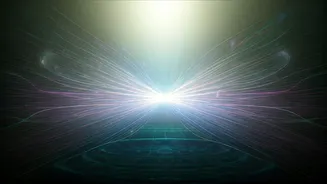
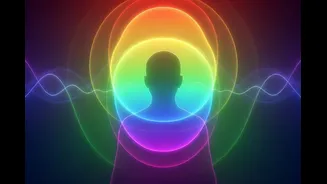
In spiritual and metaphysical traditions, an aura is described as an energetic field that surrounds a living being. This field is believed to extend a few inches to several feet beyond the physical body and to change constantly in response to thoughts, emotions, health, and surroundings.
Modern interpretations often describe it as a form of electromagnetic vibration generated by the body blending emotional, physical and spiritual energies into one visible spectrum. Scientists acknowledge that the human body emits electromagnetic signals, particularly through heat, nerve impulses and brain activity.
While mainstream science stops short of “defining these emissions as auras,” researchers studying biofields and energy medicine suggest that subtle energy layers may influence well-being. Aura readers bridge this gap by interpreting these fields symbolically, using colour, intensity and movement as indicators of inner states.
What is Aura Reading?
Aura reading is the practice of observing and interpreting the energetic field around a person. Practitioners claim that the aura reflects a person’s “true nature” at a given moment beyond social masks or learned behaviour. Colours, clarity and movement within the aura are said to reveal emotional patterns, dominant traits, mental states and spiritual alignment.
Rather than revealing what is about to happen in the future, the aura readings are described as the “weather reports.” This reading helps in reflecting on what is currently happening within an individual’s inner world. Over time, recurring colours or patterns may point to long-term tendencies, while sudden changes can reflect emotional shifts, stress or healing.
Auras In History and Spiritual Traditions
References to auras appear across cultures and centuries. Ancient Indian texts describe chakras as energy centres within the body, each associated with specific colours and qualities. In Buddhist and Christian art, enlightened figures are often depicted with glowing haloes, symbolising elevated spiritual consciousness. Mystics and healers from different eras believed these fields could be seen with trained perception.
According to spiritual philosophy, humanity once possessed a natural ability to perceive these energies. Over time, material focus, constant stimulation and stress are believed to have dulled this sensitivity. Children, particularly infants, are often said to retain this perception longer, reacting instinctively to the energy of people around them rather than appearances or words.
The Meaning Behind Aura Colours
Aura colours are central to interpretation, with each shade linked to specific qualities. Most individuals are believed to display multiple colours at once, with one or two dominant tones.
Red (Root Chakra)
Red is associated with grounding, physical energy and survival instincts. A strong red aura suggests passion, material focus and drive. When balanced, it reflects vitality; when excessive, it may indicate stress or anger.
Yellow (Solar Plexus Chakra)
Yellow symbolises intellect, joy and personal power. It reflects confidence, optimism and clarity of thought. A bright yellow aura is often associated with inner happiness and spiritual growth.
Orange (Sacral Chakra)
Orange represents creativity, confidence and emotional expression. It is linked to pleasure, independence and vitality. A dominant orange aura often appears in energetic, adventurous personalities.
Pink (Heart Chakra)
Pink reflects love, sensitivity and compassion. It is considered a rare and refined blend of physical and spiritual love, indicating emotional maturity and empathy.
Indigo (Third eye Chakra)
Indigo represents intuition, insight and inner wisdom. Those with prominent indigo hues are often described as spiritually perceptive and empathetic.
Green (Heart Chakra)
Green is the colour of healing, growth and compassion. It indicates balance, nurturing tendencies and emotional stability. Many healers and caregivers are believed to radiate green energy.
Blue (Throat Chakra)
Blue is linked to communication, calmness and truth. A strong blue aura suggests clarity, honesty and emotional peace. Deeper blues tones may also reflect heightened intuitive awareness.
Purple or Violet (Crown chakra)
Purple is associated with spiritual awareness and higher consciousness. It often appears temporarily during moments of deep reflection or meditation.
White (Crown chakra)
White symbolises purity and enlightenment, but may also indicate energetic imbalance if it appears dull or overwhelming. Some traditions associate intense white auras with transitional life phases.
Rainbow Auras
Rainbow hues are considered rare and signify openness, transformation and higher purpose. Some practitioners claim these can occasionally appear in photographs.
Can Aura Colours Attract Bad Energy?
Within aura reading traditions, it is believed that certain emotional states weaken the aura, making it more susceptible to negative influences. Prolonged fear, stress, jealousy or anger are thought to dull colours, creating grey or muddy tones. These weakened fields are said to attract similarly negative energies, which may reinforce negative emotional cycles.
On the other hand, bright and balanced auras are believed to act as protective filters repelling negativity and encouraging positive interactions. This belief also talks about numerous energy-clearing practices, which are aimed at strengthening the aura rather than fearing external influencers.
How Aura Reading Is Used In Daily Life
Aura reading is often used as a self-awareness tool rather than a diagnostic method. Practitioners suggest observing changes in aura colours over time to recognise emotional patterns. For example, recurring yellow tones may coincide with periods of confidence, while persistent grey shades may signal burnout.
Some believe aura observation can highlight physical imbalances before symptoms appear, though such interpretations remain within alternative healing frameworks. This practice is also used to assess compatibility in relationships or to evaluate emotional environments.
Simple Techniques To Reveal Energy Colours
Aura readers often recommend simple exercises to increase sensitivity:
- Peripheral vision focus: Softening focus around the edges of a person or object in gentle lighting.
- Mirror observation: Standing before a mirror against a plain background and maintaining relaxed concentration.
- Meditation: Quieting mental activity to heighten sensory awareness.
These techniques emphasise patience and consistency rather than instant results.
Using Aura Awareness For Balance
Many wellness practitioners encourage incorporating aura colours into daily routines. Wearing certain colours, meditating on them or surrounding living spaces with vibrant shades is believed to support emotional alignment.
For example, blue tones may promote calmness, while green may encourage healing and balance. The underlying philosophy suggests that colour is not merely visual but vibrational as well, influencing mood and mental states subtly yet consistently.
Modern Take On An Ancient Belief
Aura reading remains a blend of ancient spirituality and modern life exploration. While scientific validation remains limited, its appeal lies in encouraging mindfulness, emotional honesty and personal growth. For many, the aura is not just an energy field but a reflection of inner life, which is constantly shifting and revealing inner truths.