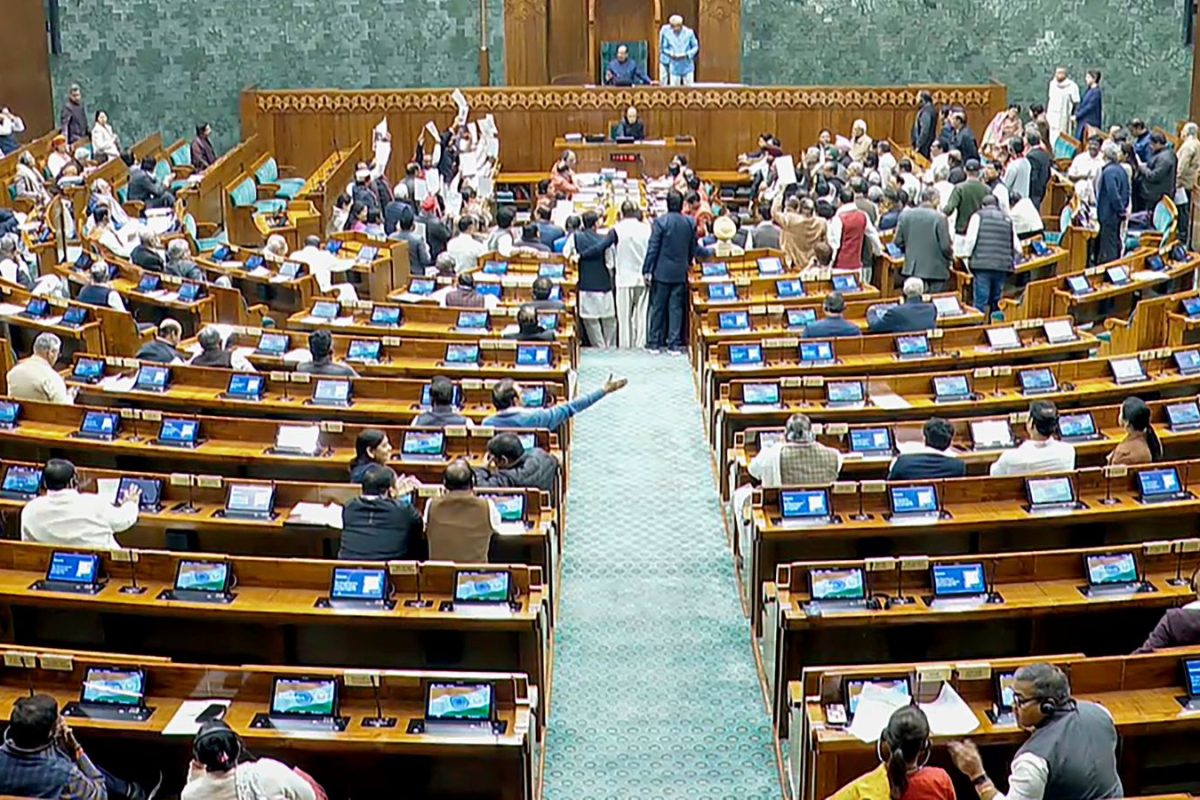




India is set to witness a special session of Parliament as the Narendra Modi government prepares to move a Constitution amendment bill for the implementation of a 33 per cent reservation for women in the Lok
Sabha from 2029. This Bill will enable an increase in Lok Sabha seats from the current 543 to 850, taking the number of seats from each states further up. The government has also proposed to delink delimitation from the upcoming post-2026 Census, instead using the 2011 Census data as the immediate baseline, to speed up the execution of delimitation and women’s reservation.
With reports saying seats for every state will be increased basis the population of these states as per the 2011 Census data, concerns and questions have been put forth by the opposition and also the southern states of the country. The government, however, has dismissed these concerns, emphasising that southern states have nothing to worry. As concerns around delimitation rise, here’s looking at the big questions on the delimitation exercise and Women’s Reservation Bill:
Q: What Is Women’s Reservation Bill?
A: The Women’s Reservation Bill, now officially called the Nari Shakti Vandan Adhiniyam, is a law that seeks to reserve 33% of seats for women in the Lok Sabha and all state legislative assemblies. Its main aim is to increase women’s participation in law-making and ensure they have a stronger voice in politics. However, this reservation will not be implemented immediately. It will come into effect only after constituencies are redrawn through delimitation.
Q: When Was The Women’s Reservation Bill First Brought In Parliament?
A: The idea of reserving seats for women in Parliament is not new. The bill was first introduced in 1996 during the government of Prime Minister HD Deve Gowda, but it faced strong political opposition and lapsed multiple times over the years. It was reintroduced several times and even passed in the Rajya Sabha in 2010 under Manmohan Singh’s government, but it was never cleared by the Lok Sabha, which meant it did not become law at the time.
Q: What Has Changed In Women’s Reservation Bill Now?
A: The current government led by Narendra Modi revived the proposal and successfully passed it in 2023, giving it a new name – Nari Shakti Vandan Adhiniyam – to highlight women’s empowerment. One key change is that the law links its implementation to delimitation and Census, which means the reservation is likely to take effect only in future elections, around 2029. This linkage has sparked debate, with supporters calling it a historic reform and Opposition saying it delays real change.
Q: What Is Delimitation And When Was It Last Done In India?
A: Delimitation is the process of redrawing the boundaries of electoral constituencies so that each seat represents roughly an equal number of people. This is important because population changes over time, and without delimitation, some areas may end up being overrepresented or underrepresented in Parliament or state assemblies. In India, delimitation is carried out by an independent body called the Delimitation Commission of India, usually after a Census. The last full delimitation exercise in the country was completed in 2002, based on the 2001 Census, and since then the process has been frozen.
Q: What Is The Proposed Delimitation Bill?
A: The proposed Delimitation Bill that the government plans to take up in the special three-day Parliament session is aimed at redrawing and increasing the number of Lok Sabha seats based on updated population data. According to reports, the bill could significantly expand Parliament, potentially taking the strength of the Lok Sabha up to around 850 seats, and redistribute seats among states depending on their population.
Q: How Are Delimitation And Women’s Reservation Bill Linked?
A: The government is pushing delimitation as a structural reform needed before rolling out the 33 per cent quota for women. The government says the reservation for women can be fairly applied after constituencies are redrawn. Delimitation decides the number of seats in Parliament and reshapes constituency boundaries based on population. Only once this new map is ready can the government identify which specific seats will be reserved for women.
In simple terms, delimitation creates the framework, and women’s reservation is applied within it.
Q: How Will Delimitation Take Place?
A: The government’s current proposal suggests that delimitation will be carried out using the 2011 Census data, instead of waiting for a fresh Census. Once the bill is cleared, the Delimitation Commission of India will be set up to begin the exercise based on these population figures. It will first decide how many Lok Sabha seats each state should get, and then redraw constituency boundaries so that each seat represents a roughly equal number of people.
Q: Will Southern States Be At Loss?
A: The proposed delimitation exercise has triggered a political debate as many are questioning its impact on balance of power between states. One of the biggest worries is that a purely population-based redistribution of seats could benefit northern states more, since they have seen higher population growth, while southern states that successfully controlled population may lose their relative political influence in Parliament. Leaders from states like Telangana and Tamil Nadu argue that this would unfairly “penalise” them for better governance and distort the federal balance between regions.
Another major concern is the linking of delimitation with the women’s reservation law, which many opposition parties say could delay the actual implementation of the 33 per cent quota. They argue that reservation for women could be rolled out immediately in the existing seats, instead of waiting for a complex and politically sensitive delimitation process. There are also broader fears about lack of transparency, use of outdated 2011 Census data, and potential political motives, with the Opposition warning that the exercise could reshape electoral power in a way that favours certain regions or parties.
Q: What Has The Government Said On Concerns Around Delimitation?
A: The government has sought to calm concerns, especially from southern states, by making it clear that the proposed delimitation exercise will not alter the existing balance of power between states. According to top government sources, while the total number of Lok Sabha seats may increase significantly, potentially by around 50 per cent, taking the strength close to 850, this expansion will be applied uniformly across all states. In simple terms, every state’s seat count would rise proportionately, ensuring that no region loses its current share of representation.
Sources have emphasised that the 2011 population data will not be the sole deciding factor in a way that disadvantages any state. “There will be no disadvantage to southern states” and “the same proportion as it exists today will be maintained,” they said, underlining that the proportionality of seats between states will remain unchanged. By assuring that each state’s representation will grow at the same rate, the government is attempting to address fears that delimitation could shift political power towards more populous northern states.
Q: How Will Delimitation Be Cleared?
The proposed delimitation measure will be cleared as a Constitutional Amendment, which means it needs stronger approval than a normal law. The bill must be cleared by both the Lok Sabha and the Rajya Sabha with a two-thirds majority of members present and voting, as well as support from at least half of the total strength of each House. After Parliament passes it, the amendment may also need approval from at least half of the state legislatures, since it affects the representation of states. Once these steps are completed and the President gives assent, the changes become law and the process of delimitation can begin.