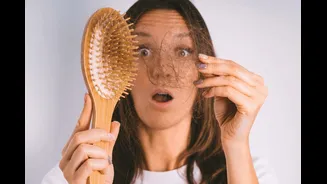






Noticing more hair strands on your pillow or in the shower during the rainy season? You’re not imagining it. While hair fall is a common concern throughout the year, many people experience increased shedding
during the monsoon.
Dermatologist Dr Manal Dave on her Instagram wrote that the rainy season does not directly cause hair loss, but the weather creates conditions that can make the problem worse. Here’s why it happens and the expert-backed tips to keep your hair healthy during monsoon.
Why Does Hair Fall Increase During Monsoon?
Hair doesn’t fall out simply because it’s raining. The real culprits are high humidity, sweat and scalp health.
During the monsoon, increased moisture in the air causes hair to absorb excess humidity, making it dry, frizzy and more prone to breakage. At the same time, a warm and sweaty scalp creates the perfect environment for the growth of Malassezia, a naturally occurring fungus linked to dandruff and scalp inflammation.
An unhealthy scalp affected by dandruff, itchiness or inflammation can contribute to increased hair shedding, making seasonal hair fall seem more noticeable.
Monsoon Hair Care Tips To Reduce Hair Fall
1. Wash Your Hair Regularly
Avoid waiting three or four days between washes, especially if your scalp becomes oily. Keeping your scalp clean helps prevent sweat, oil and dirt from building up.
2. Use An Anti-Dandruff Shampoo If Needed
If you experience dandruff or an itchy scalp, use an anti-dandruff shampoo once or twice a week to help keep fungal growth under control.
3. Dry Your Scalp Completely
Never leave your scalp damp after washing your hair. Avoid tying up or covering wet hair, as trapped moisture can worsen scalp issues.
4. Apply Conditioner The Right Way
Use conditioner only on the mid-lengths and ends of your hair. Applying it directly to the scalp may make oily hair feel heavier.
5. Use A Hair Mask Weekly
A nourishing hair mask once a week can help restore moisture, improve softness and reduce dryness caused by humid weather.
6. Protect Hair With A Serum
A lightweight hair serum can help tame frizz, reduce dryness and protect hair from environmental damage.
7. Consider A Hair Growth Serum
If you’re experiencing excessive hair fall, speak to your dermatologist about whether a hair growth serum is appropriate for your condition.
8. Be Gentle While Combing
Use a wide-toothed comb and avoid brushing wet hair aggressively, as wet strands are more fragile and prone to breakage.
9. Limit Heat Styling
Frequent use of straighteners, curling irons and blow dryers can weaken hair further. If heat styling is necessary, always apply a heat protectant beforehand.
10. Don’t Ignore Your Diet
Healthy hair starts from within. Make sure you’re getting enough protein in your diet. If recommended by your doctor, correct deficiencies in nutrients such as iron, vitamin D, vitamin B12 or zinc, as they can contribute to hair loss.
When Should You See A Dermatologist?
Seasonal hair shedding is usually temporary, but persistent or excessive hair loss shouldn’t be ignored. Dr Dave advises consulting a dermatologist if:
- Hair fall continues for more than 2–3 months.
- Your hair appears noticeably thinner.
- You’re losing an unusually large amount of hair every day.
A dermatologist can identify the underlying cause and recommend the most appropriate treatment instead of relying on home remedies or guesswork.