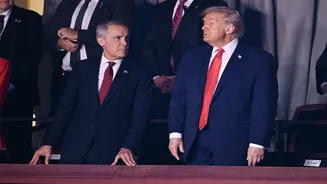







US Energy Secretary Chris Wright said the United States will work to get Venezuela’s crude oil flowing again and sell it on the global market, underscoring Washington’s intent to tap the country’s vast
energy resources amid a dramatic shift in US-Venezuela relations.
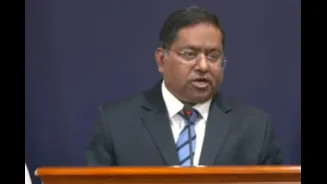
“We are going to get that crude moving again and sell it just like we did in our businesses… We will sell the production that comes out of Venezuela into the marketplace,” Wright said this week, signalling that US refiners could soon resume handling Venezuelan crude after years of sanctions and price instability.
The comments come in the wake of a highly controversial US military operation that resulted in the capture of Venezuelan President Nicolás Maduro and his wife, Cilia Flores, on Saturday. US forces seized Maduro and flew him to New York to face federal charges, including narcotics trafficking and narco-terrorism, charges he has denied in court.
The military raid in Caracas marked an unprecedented moment in US foreign policy, sharply escalating tensions and drawing both domestic and international debate over legality and geopolitical fallout. Interim leader Delcy Rodríguez was sworn in as acting president in Venezuela’s National Assembly after Maduro’s removal.
President Donald Trump has said the United States may temporarily run Venezuela and intends to rebuild its oil industry while ensuring that its production benefits the global energy market. The US is reportedly taking control of oil revenues and coordinating exports to stabilise supply and profit from heavy crude sales.
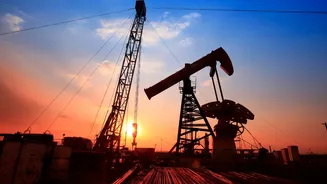
Venezuela’s oil sector, long hindered by mismanagement and sanctions, has faced deep cuts in output over the past decade. The US Energy Department’s plan to get oil flowing again could help boost refinery throughput on the Gulf Coast and contribute to global supply. Analysts say restoring production will require investment and repairs to ageing infrastructure, which Washington hopes to leverage for economic and strategic gains.
The situation has triggered widespread reactions abroad, with some nations condemning the US operation as a breach of sovereignty and others watching closely as oil markets adjust to potential new Venezuelan supply. Civilian casualties and military losses tied to the US raid have already prompted mourning declarations within Venezuela and raised concerns about regional stability.