



Even as signs of a possible diplomatic breakthrough emerged between the United States and Iran to end the ongoing conflict, the issue of Tehran’s highly enriched uranium stockpile has surfaced as a major
sticking point in negotiations.
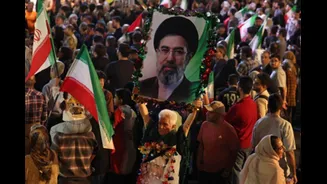
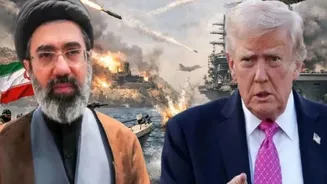
The fresh deadlock comes after Iran’s Supreme Leader Mojtaba Khamenei reportedly declared that the country’s near-weapons-grade uranium would not be sent abroad — directly clashing with one of Washington’s core demands in the talks.
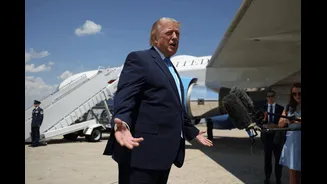
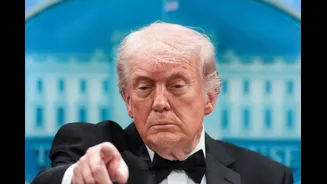
Responding to the development, US President Donald Trump said the United States would not allow Iran to retain highly enriched uranium.
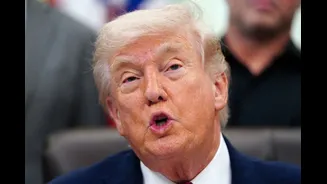
“No. We will get it. We don’t need it. We don’t want it. We’ll probably destroy it after we get it — but we’re not going to let them have it,” Trump said when asked whether Iran could keep its uranium stockpile.
The US president added that negotiations were continuing under the ongoing truce process, but reiterated that Tehran would never be allowed to acquire a nuclear weapon.
“Right now, we’re negotiating, and we’ll see, but we’re going to get it one way or the other. They’re not going to have a nuclear weapon,” he said.
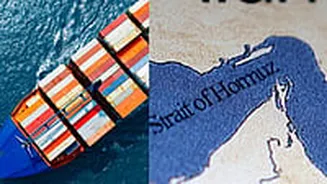
US President Donald Trump claimed that Iran is losing nearly USD 500 million every day due to restrictions around the Strait of Hormuz, while praising the role of the US Navy in enforcing the blockade around the strategic waterway.
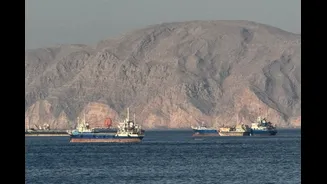
Trump said Washington wants the Strait of Hormuz to remain open and free for international shipping, rejecting any possibility of Iran imposing tolls on vessels passing through the route.
“We want it open, we want it free, we don’t want tolls,” Trump said, describing the strait as an international waterway.
According to Iran’s semi-official Fars News Agency, Washington has demanded that Tehran hand over nearly 400 kilograms of highly enriched uranium and restrict nuclear operations to a single facility.
The United States and Iran have been exchanging proposals in recent weeks in an effort to end the West Asia conflict that erupted on February 28. So far, the two sides have held one formal round of talks under a fragile ceasefire that came into effect on April 8.
Meanwhile, Iran has also reiterated its strategic leverage over the Strait of Hormuz, one of the world’s most critical oil shipping routes. According to Iran’s ISNA news agency, Tehran has maintained that it controls the strait, which it has already closed, and intends to impose charges on ships passing through the route.