








Fitness has always evolved alongside technology – from basic tracking devices to connected equipment and digital workouts. But the next leap promises something far more transformative. By 2026, artificial
intelligence (AI) is expected to fundamentally reshape how people train, recover and sustain long-term wellness. No longer limited to counting steps or calories, AI is moving toward interpreting human behaviour, physiology and lifestyle patterns to create fitness journeys that are adaptive, precise and deeply personal.
This shift signals the end of generic workout plans and the beginning of fitness that responds intelligently to the individual – in real time.
From Generic Routines To Hyper-Personalised Training
“Artificial intelligence and digital platforms are enablers of a truly personalised, engaging and consistent wellness journey,” says Nerio Alessandri, Founder & President of Technogym. He explains that AI can now interpret goals, preferences and biometric feedback to create training programmes that evolve dynamically, rather than following static plans.
By 2026, this hyper-personalisation will become mainstream. Dr. Richa Mishra, Vice President – Operations at Anytime Fitness India, notes, “AI will analyse multiple data points, from workout history and sleep cycles to stress levels and heart-rate patterns, to build dynamic fitness blueprints that adapt in real time.”
The outcome is training that is not only more effective but also safer, reducing the risk of injury through better load management, form correction and recovery insights.
Smart Gyms And Real-Time Feedback
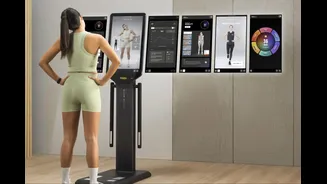
The gym experience itself is set to change dramatically. According to Alessandri, connected ecosystems spanning smart equipment, apps and cloud-based platforms will allow people to train seamlessly at home, in gyms, at work or while travelling. AI-powered gyms will monitor posture, strength and endurance, offering corrective cues and intensity adjustments on the spot.
Dr. Mishra adds that AI-driven coaching will ensure consistency even for those with demanding schedules. “A 24×7 digital coach, real-time feedback through wearables and personalised nudges will help members stay committed to long-term fitness habits,” she says.
Fitness Becomes Holistic Health
One of the biggest shifts by 2026 will be fitness expanding beyond exercise alone. Santhosh Kumar, CTO of Curefit, explains that AI will sit atop multiple data streams such as workouts, nutrition, sleep, diagnostics and wearables to deliver clear, actionable insights. “Instead of overwhelming users with numbers, AI will surface what actually matters and what to do next,” he says.
This integration will also bring cognitive and mental well-being into focus. AI systems will help users understand how stress, sleep and hydration affect performance, recovery and motivation, creating truly holistic wellness plans.
What AI Will – And Won’t – Replace
Despite rapid automation, all three experts agree on one thing: AI will not replace human trainers or the community. “Technology is not the destination; it is the engine behind a lifestyle of wellness,” says Alessandri.
Kumar reinforces this point, noting that gyms will increasingly function as third places – social hubs where people feel supported and connected. “Big experiential events, challenges and community-driven activities will become even more important,” he says.
Dr. Mishra highlights that AI will empower trainers rather than replace them. By reducing administrative tasks and guesswork, coaches can focus on building trust, reading emotional cues and delivering personalised motivation.
By 2026, AI will have transformed fitness from a reactive routine into a proactive, intelligent lifestyle system. Training will be personalised, gyms will be smarter, and wellness will be measured holistically rather than in isolated metrics. Yet, at its core, fitness will remain human – driven by connection, consistency and purpose. AI may guide the journey, but it is people, supported by smarter tools, who will define its success.