







US President Donald Trump may seek to wind down major military operations against Iran before Benjamin Netanyahu, even as the two allies coordinate closely in the ongoing conflict, according to a report.
Three senior figures from the Trump administration told the news website Axios that while Washington and Israel remain aligned militarily, their priorities and tolerance for risk could increasingly diverge as the war enters its third week.
The officials said Trump is likely to push for an end to large-scale operations once core US objectives are achieved, even if Israel prefers to continue.
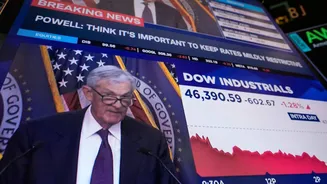
US officials cited growing concern over the impact of the conflict on global energy markets, particularly after Israeli strikes hit Iranian oil storage sites and later the South Pars gas field.
Stabilising oil prices is a higher priority for Washington than for Israel, the officials said, adding that the White House has urged Israel not to carry out further attacks on energy infrastructure without explicit US approval.
“Israel doesn’t hate the chaos. We do,” one official was quoted as saying, arguing that Washington’s focus remains on regional and global stability.
Another official said Israel’s leadership harbours deeper hostility toward Iran’s government and is therefore prepared to tolerate greater disruption.
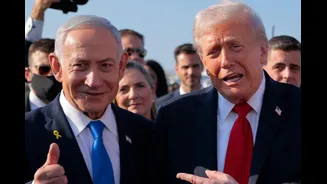
The report said Trump and Netanyahu have spoken almost daily since the conflict began, with Trump publicly describing their coordination as strong. However, US officials acknowledge that while cooperation remains close, the two sides have different endgames.
According to the officials, Trump is the most forceful advocate within the White House for confronting Iran, and in some respects is closer to Netanyahu’s hardline stance than many of his advisers.
Even so, senior officials said Trump intends to conclude the war once US military goals are met, including crippling Iran’s missile and nuclear capabilities, weakening its navy and cutting funding to proxy forces across the region.
By contrast, Israeli operations have extended beyond military targets to include senior assassinations and actions that US officials believe are aimed at paving the way for regime change in Tehran.
While Trump would not oppose such an outcome, officials said it is not a prerequisite for ending US involvement.
Trump himself has acknowledged that Israeli and American objectives are not identical, telling reporters that Israel’s aims may differ given its proximity to the conflict.
European officials have also said that US Secretary of State Marco Rubio has privately recognised these differences in conversations with allied governments.
Asked last week whether Iran would need to meet both US and Israeli demands for the war to end, US Defence Secretary Pete Hegseth said Washington would determine the timeline. “Our objectives are our objectives,” he said, adding that the US would decide when those goals had been met.