








Veteran industrialist Anil Agarwal is grappling with what he has described as the darkest moment of his life. His only son, 49-year-old Agnivesh Agarwal, heir to the metals and mining conglomerate Vedanta
Group and chairman of Talwandi Sabo Power, has died following a tragic skiing accident in the United States. Despite sustained medical intervention, doctors were unable to save him.
The incident has once again drawn global attention to the inherent dangers of skiing, a sport often marketed for its thrill but repeatedly marked by fatal accidents. Over the years, skiing-related mishaps have claimed the lives of several well-known figures, reinforcing concerns about the risks involved even for experienced participants.
What Is Skiing and Why Is It Risky?
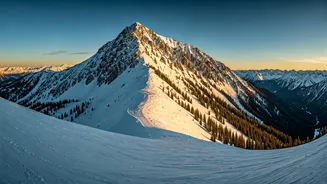
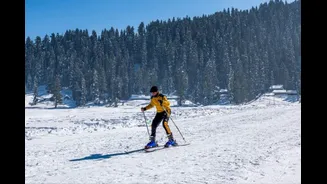
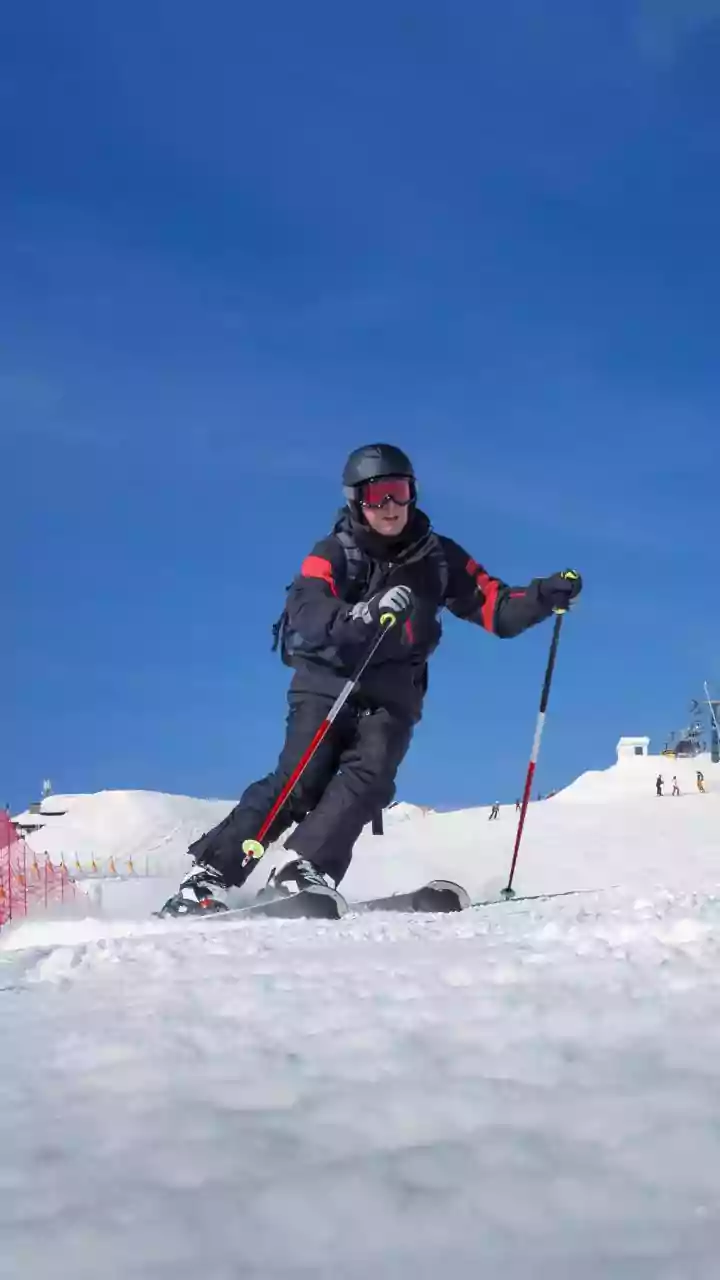
Skiing involves descending snow-covered mountain slopes using long, narrow boards attached to the feet. While visually graceful and adrenaline-fuelled, the sport combines high speed, uneven terrain and unpredictable natural conditions, making it potentially lethal.
Among those who have lost their lives in skiing accidents are Michael Kennedy, nephew of former US President John F Kennedy, British actress Natasha Richardson, and French actor Gaspard Ulliel, a global face of Chanel.
Data from European ski resorts has consistently underlined the risks. Between 2012 and 2016 alone, dozens of tourists were killed and hundreds hospitalised due to skiing and snowboarding accidents, according to official records, highlighting that the danger extends far beyond rare or extreme cases.
Factors That Make Skiing Dangerous
One of the biggest threats in skiing is speed. As skiers descend steep slopes, velocity increases rapidly, often reaching 50 kmph for amateurs and crossing 100 kmph for professionals. At such speeds, any loss of balance can result in an impact comparable to a high-speed road accident. Collisions with trees, rocks or compacted snow can cause fatal head and internal injuries, even when protective gear is worn.
Mountain terrain itself adds to the danger. Ski slopes are rarely uniform, with hidden rocks, sudden drops and varying snow density. Ice patches, soft snow and concealed obstacles can catch skiers off guard, leading to violent falls. At high speed, helmets offer limited protection against severe trauma.
Avalanches remain one of the most feared hazards. Even a minor shift in snow caused by a skier’s movement can trigger a massive slide, burying individuals within seconds. In such cases, suffocation and blunt-force injuries are the leading causes of death.
The physical strain of skiing is another underestimated risk. Because the feet are fixed to the skis, falls often place extreme stress on the knees and joints. Ligament tears, fractures and long-term mobility issues are common, particularly when bindings fail to release in time.
Altitude and weather conditions further compound the danger. Reduced oxygen levels at high elevations can impair coordination and judgement, while sudden blizzards and storms can cause hypothermia and disorientation. Mountain weather is notoriously unpredictable, leaving little margin for error.
Common Injuries
Medical studies show that traumatic brain injuries are the leading cause of fatal skiing accidents, followed by serious knee, shoulder and spinal injuries. Experts stress that immediate medical response is crucial, yet rescue operations in mountainous regions are often delayed due to terrain and weather.