







Ever stood frozen in a supermarket aisle, staring at dozens of similar products, phone in hand, texting friends for advice? Or spent weeks agonising over a handbag, endlessly scrolling reviews and polling
colleagues, only to delay until the sale passes? These moments are not mere indecision, they are symptoms of FOBO, the Fear of Better Options. This quiet anxiety whispers that something superior might appear if you commit too soon, turning everyday choices into exhausting mental marathons.
According to researchers, an average adult makes about 35,000 decisions every day, considering only conscious choices. A 2025 study from Baymard Institute and Statista found that over 70–75% of shoppers abandon their carts while shopping online, a striking modern manifestation of decision overload and FOBO in action.
Back in 1944, American psychologist Neal Miller ran an experiment that showed just how tricky too many choices can be. He found that when people had to give up one appealing option for another, they often ended up procrastinating and feeling mentally stuck, unsure of what to do next.
As psychologist Dr Ravineet Singh Marwah explains, “FOBO is the silent anxiety that tells you, ‘Wait, maybe something better is coming.’ Unlike FOMO, where you fear missing out, FOBO makes you freeze. You keep researching, scrolling, comparing and delaying. You struggle to commit not because you lack intelligence, but because you fear regret.”
Is FOBO a Cognitive Pattern?
FOBO doesn’t just make us hesitant; it reshapes how the brain approaches every decision. Instead of asking, “What feels right?” the mind shifts to “What if there’s something better?” a subtle but critical change. This shift triggers a loop of overthinking, comparison fatigue, and mental exhaustion.
Dr. Ravineet adds, “FOBO creates a loop of overthinking. The mind shifts from deciding to scanning. The brain becomes hyper-focused on avoiding regret rather than creating progress. Behaviourally, this shows up as procrastination, constant research, and seeking reassurance. Over time, decision making becomes stressful rather than empowering.”
Behaviourally, FOBO often shows up as procrastination, over-researching, and seeking reassurance from others. You may find yourself asking friends, family, or even strangers what they would do, just to avoid committing yourself. While research suggests that consulting others can sometimes be helpful, in the FOBO mindset, it becomes a tool for avoiding responsibility, not gaining clarity.
What Happens in the Brain During A Decision Paralysis?
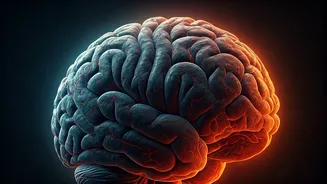
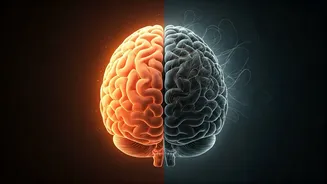
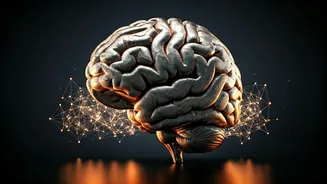
FOBO is not just a psychological phenomenon; it has a clear neurological basis. When you hesitate to commit, the brain activates its threat detection system. Behavioral expert Dr Ravineet explains, “When someone fears committing, the brain activates its threat system. The amygdala senses potential loss or regret. The prefrontal cortex, which helps with rational decision making, gets overloaded with too many possibilities.”
“Dopamine also plays a role because the brain gets excited by the idea of a potentially better reward. This creates restlessness. The result is anxiety mixed with hope. The person feels stuck between fear of loss and desire for something better.”
Are Certain Personality Types More Vulnerable to FOBO?
FOBO tends to target perfectionists and highly conscientious individuals, who are naturally inclined to analyse and optimise. People raised in environments where mistakes were harshly criticised may also overanalyse every choice as adults. If a child learned that “wrong decisions lead to rejection,” they may grow up with a heightened fear of making the wrong choice.
Dr Singh emphasises, “Perfectionists and highly conscientious individuals are more prone to FOBO. People who grew up in environments where mistakes were criticised harshly may also struggle more. If a child learned that “wrong decisions lead to rejection,” they may grow into adults who overanalyse every choice. Individuals with high anxiety sensitivity or low self trust are also vulnerable. FOBO is often less about options and more about fear of being wrong.”
How Does Digital Life Amplify FOBO?
In today’s world, constant exposure to curated lives and endless options magnifies FOBO. Social media shows us the highlights of other people’s lives, making us question our own choices. Dating apps and e-commerce platforms reinforce the illusion that there is always something better just one swipe away.
“Dating apps, shopping platforms, career stories all suggest there is always something better one swipe away. This reduces our tolerance for uncertainty. We start believing commitment means closing doors forever. In reality, commitment builds depth. But digital culture trains the brain to chase novelty, not stability,” notes Dr Ravineet.
Chronic indecision can erode self-confidence and even identity. Your sense of self is shaped by the choices you make. If you delay too often, you risk losing clarity about what matters to you. FOBO can increase anxiety, self-doubt, and regret, creating a cycle where hesitation reinforces insecurity.
As Dr Marwah further adds, “Clarity does not come from waiting—it comes from choosing and learning. Confidence grows through commitment, not comparison.”
Every delayed decision is an opportunity lost to practice self-trust. By constantly weighing options, we give power to fear, allowing it to dictate outcomes instead of our own judgement.
How to Overcome FOBO?
When people delay decisions for too long, they slowly lose confidence in their own judgment. Identity becomes fragile because identity is shaped by choices. While FOBO thrives in a world of abundance, there are practical ways to regain control:
- Limit your options: Narrow choices to three or four to reduce cognitive overload.
- Set deadlines: Give yourself a firm time to decide and stick to it.
- Distinguish reversible from irreversible decisions: Not every choice has permanent consequences.
- Adopt a “good enough” mindset: Perfect options rarely exist, and seeking them endlessly wastes time.
- Reflect before delaying: Ask yourself, “Is this fear protecting me, or just keeping me stuck?”