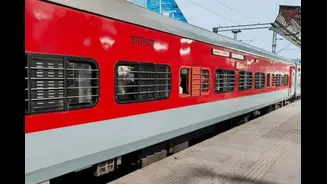








Indian Railways is drawing up a multi-pronged strategy to tackle the large-scale theft of blankets, bedsheets, pillows and towels from air-conditioned coaches. The move comes after a recent investigation
that revealed that nearly 1.27 crore linen items disappeared from trains across the country between January 2022 and May 2026, prompting Railway Minister Ashwini Vaishnaw to seek an action plan from officials.
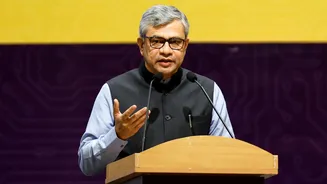
Referring to the report by The Indian Express during a press conference on the Railways’ “52 reforms in 52 weeks” initiative, Vaishnaw directed senior officials to come up with a timeline for implementing reforms aimed at curbing the theft of railway linen.
The issue extends far beyond missing blankets. RTI replies cited by The Indian Express showed that bedsheets, towels, blankets, pillows and pillow covers worth an estimated Rs 104.51 crore were stolen across 54 railway divisions in 16 zones over the four-year period. The financial burden is largely borne by contractors, who in turn recover the losses from the wages of bedroll attendants working onboard trains.
With thefts continuing despite existing checks, railway divisions have adopted a mix of technology, surveillance, stricter monitoring and passenger awareness measures. Many of these initiatives are now expected to form part of a broader nationwide strategy.
Coach Mitra App: Digitally Tracking Every Bedroll
One of the most significant measures is the use of the Coach Mitra mobile application.
According to the report, the Bikaner division of North Western Railway, which recorded the highest number of linen thefts among all railway divisions, has begun using the app to digitally monitor the distribution and collection of bedrolls.
The application allows attendants to record the issue and return of linen items to passengers, track passenger boarding and deboarding, and maintain a digital record of linen issued in each coach.
Railway officials believe the system will improve accountability by making it easier to identify when and where linen goes missing instead of relying solely on manual records.
QR Codes
Another measure being actively considered is the QR-code tagging of linen items, according to report. Under the proposal, individual bedsheets, blankets, towels and other bedroll components would carry unique QR codes that can be scanned at different stages of their lifecycle – from railway laundries and storage depots to onboard distribution and collection.
CCTV Surveillance Inside Coaches
Several railway divisions are also expanding surveillance. The Ambala division of Northern Railway said that CCTV cameras are being installed in coaches to minimise theft, while linen is being stored in designated secure spaces to reduce opportunities for pilferage.
Officials expect surveillance footage to deter theft while also helping investigate cases where railway property goes missing.
Better Accounting Before Every Journey
Railways is also tightening inventory management. The Jodhpur division has introduced stricter accounting and verification of linen before trains depart and after they terminate their journeys. Attendants are being regularly counselled and sensitised to ensure proper handling and accountability of linen items.
Similarly, the Salem division of Southern Railway has strengthened supervision during loading and unloading of linen, increased inspections at stations and depots, and introduced periodic reviews of linen handling procedures. It has also proposed disciplinary action wherever responsibility for losses can be fixed.
Counselling Staff And Passengers
A recurring theme across railway divisions is behavioural intervention. Attendants are being instructed to remain vigilant, monitor linen more carefully, collect used bedrolls promptly and undergo regular sensitisation programmes.
The effort builds on directions issued by the Railway Board as early as September 2015. At the time, the Board instructed all railway zones to ensure that bedroll distribution staff remind passengers to hand over used linen at least 30 minutes before reaching their destination. It also called for identifying habitual offenders and using counselling, training and penalties wherever necessary.
Some divisions have taken this a step further. The Ranchi division has printed reminders directly on linen packets asking passengers to return used bedrolls 30 minutes before their journey ends, making the instruction difficult to miss.
Dedicated Attendants, Stricter Contractor Checks
Railway divisions are also trying to improve accountability among staff. The Bhopal division has introduced a policy under which each AC coach has a designated coach attendant, a move it says has helped reduce theft incidents. It also noted that awareness campaigns are being run on social media, although action against passengers has remained limited because identifying those responsible after the journey is often difficult.
The South Western Railway has similarly deployed one staff member per AC coach for linen distribution and monitoring. Meanwhile, the Kota division has introduced police verification of contractor employees to strengthen oversight.
Surprise Inspections, Legal Action
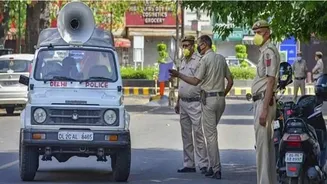
Enforcement measures are also being strengthened. According to the Railway Protection Force, theft of railway linen is a non-bailable offence under the Railway Property (Unlawful Possession) Act. The RPF has been directed to conduct lawful searches of suspicious passengers’ luggage if linen is not returned, while night patrols and surprise inspections have also been intensified.
Why The Crackdown Matters
The latest push reflects growing concern within Indian Railways over losses that have quietly mounted over the years. The RTI investigation showed that 1.27 crore linen items were reported stolen between 2022 and May 2026, including bedsheets, blankets, towels, pillows and pillow covers, with the losses estimated at over Rs 104 crore.
By combining digital tracking through the Coach Mitra app, CCTV surveillance, stricter inventory checks, dedicated attendants, passenger reminders and stronger enforcement, Indian Railways hopes to plug a persistent source of financial loss while ensuring that essential amenities remain available for passengers travelling in AC coaches.