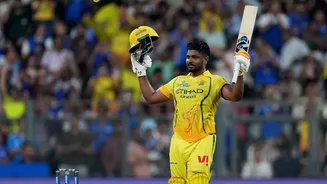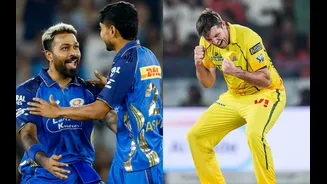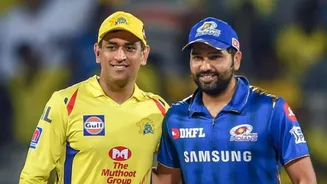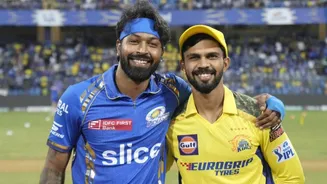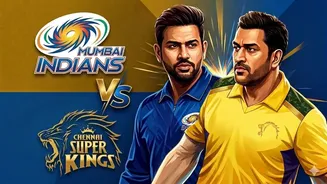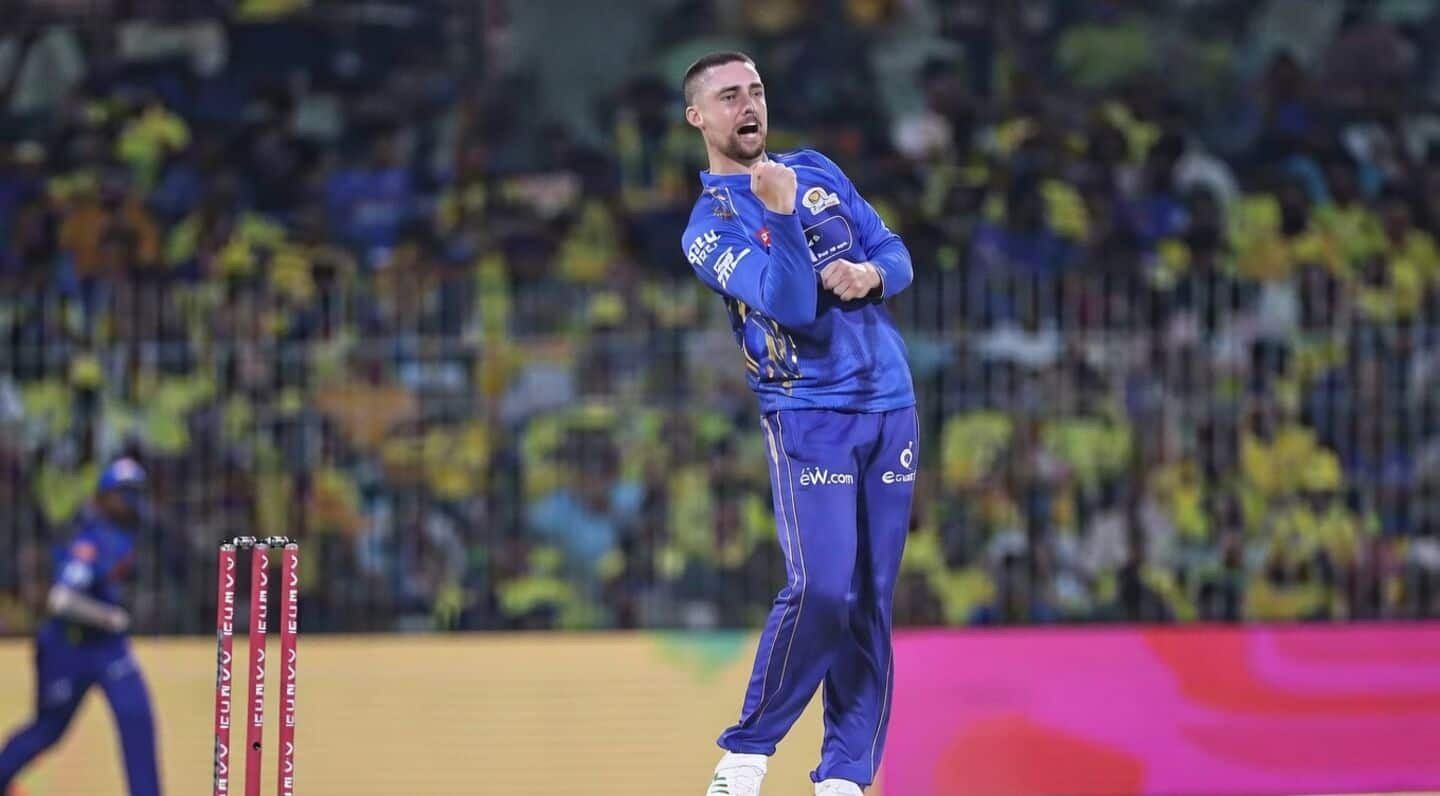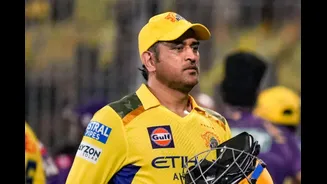



Former New Zealand cricketer Simon Doull believes the Mumbai Indians currently present a tougher captaincy challenge than the Chennai Super Kings, because of the unique way MS Dhoni has managed his influence
during a delicate leadership transition at Chennai in the ongoing Indian Premier League 2026 season.
CSK have been navigating a gradual shift away from Dhoni’s long-standing leadership, a process that began with the brief and disastrous captaincy stint of Ravindra Jadeja and has since evolved into a more measured, behind-the-scenes transition for Ruturaj Gaikwad.
Unlike the abrupt and often scrutinised leadership changes seen elsewhere, CSK’s approach has been characterised by Dhoni stepping back from the spotlight while still guiding the team structure.
Doull highlighted that Dhoni’s conscious decision to distance himself from the day-to-day spotlight in IPL 2026, like not even coming to the ground on matchdays as he recovers from his calf injury, has allowed CSK to function with clarity and reduce external noise.
“What MS is doing so well is he’s staying away,” Doull said on Cricbuzz, noting that the former India captain is deliberately keeping a low profile. “He’s staying away from the ground… trying in his best possible way, from an absolute legend of the game, to make sure that when they get to the ground the team is ruthless.”
The commentator stressed that Dhoni wants to prevent the overwhelming ‘MS effect’ led by the media and crowds from overshadowing the current leadership group.
MI’s ‘alpha’ dressing room vs CSK’s managed transition
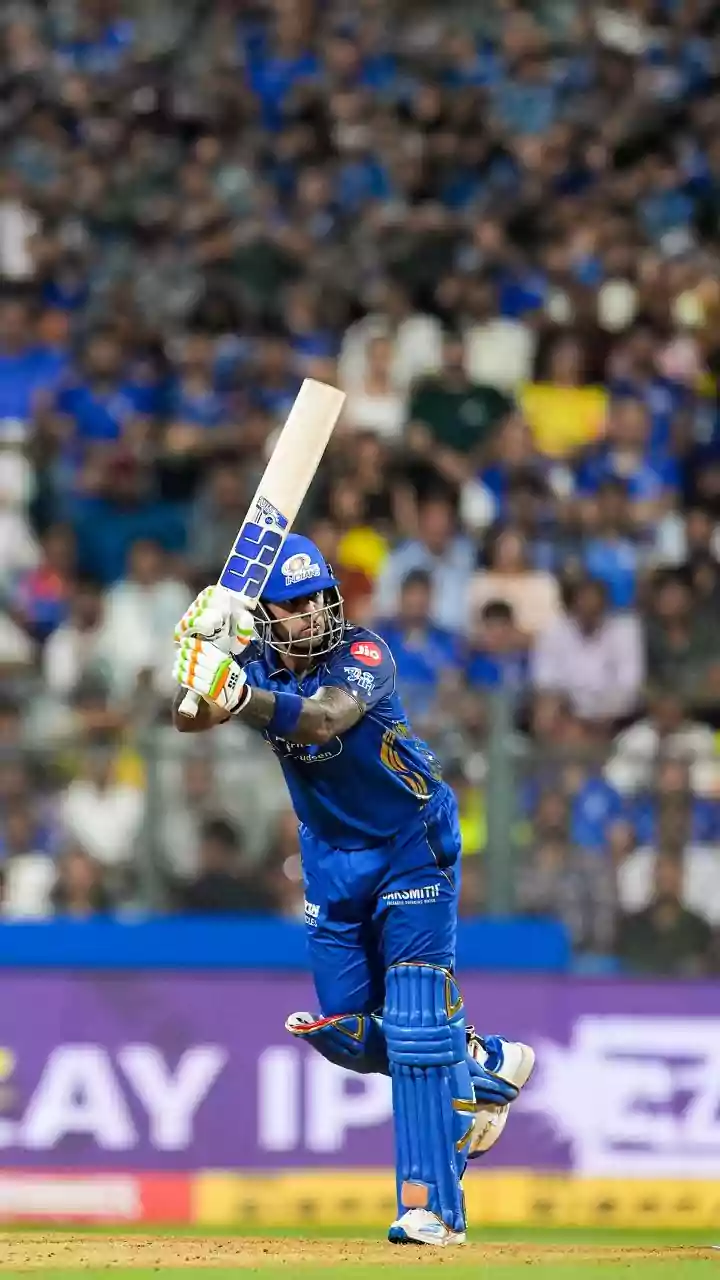
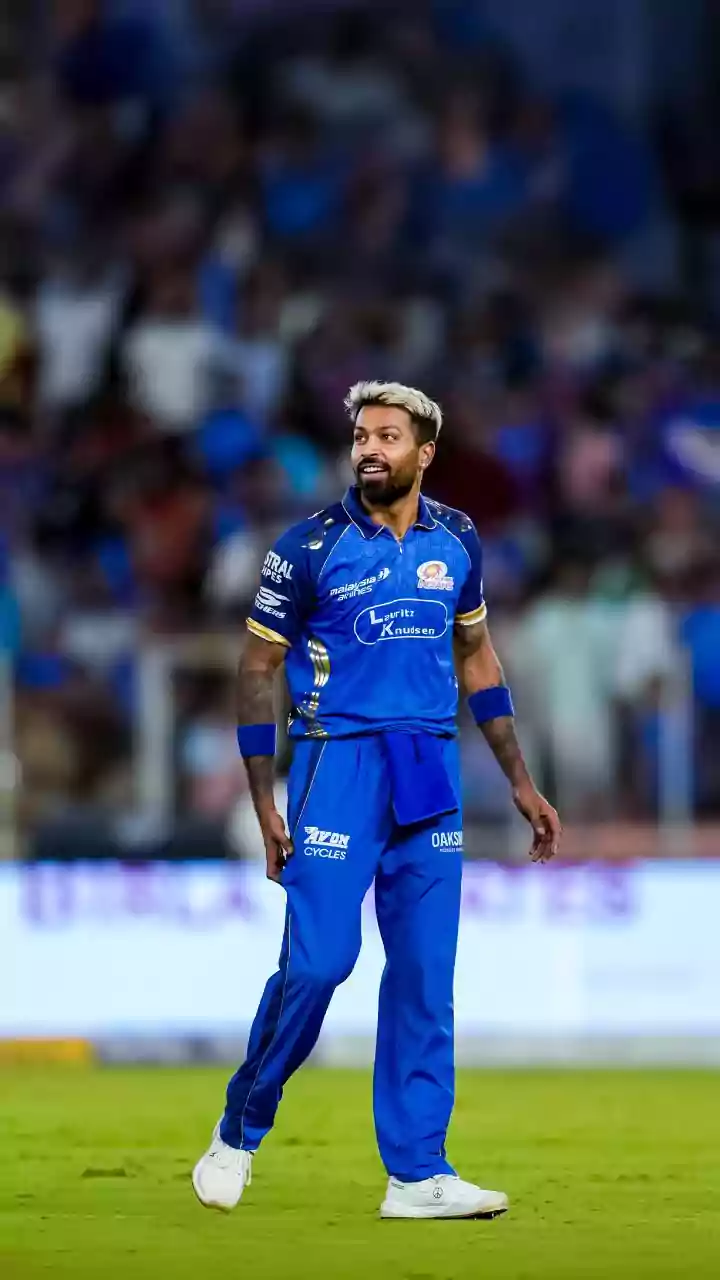
Doull contrasted CSK with Mumbai’s situation, describing it as significantly more challenging due to the composition of the squad. He pointed out that the presence of multiple high-profile leaders — including World Cup-winning captains Rohit Sharma and Suryakumar Yadav — makes it ‘a tough dressing room’ for skipper Hardik Pandya because it’s ‘full of alphas’.
He added that the dynamic is complicated further by hierarchy and perception within the group, noting that a returning leader can sometimes be viewed differently. “He (Hardik) was the young cub at one stage to the lions… then he took off, found another group, another pride to be in charge of. And now he’s come back to this pride, and some of them might still be looking at you as the cub,” Doull said.
On the same show, former India pacer Zaheer Khan echoed the idea that CSK’s transition has been more structured and intentional. He suggested that Dhoni had long anticipated the need for change and actively facilitated it.
Zaheer explained that Dhoni has been ‘driving that transition,’ ensuring the new captain can develop their own style while still having access to guidance when needed. He emphasised that this support largely happens off the field, through discussions and consultations, allowing the on-field authority to remain with the designated leader.
“With regards to MI, I think they were also stuck with the transition, the timing of the transition. Whether it’s too early or it might become difficult — those kinds of questions were lingering. Maybe they’ve gone a little proactively in terms of changing that dynamic and addressing the transition. And that has been a little tricky, and that has created a scenario within the franchise which they’re dealing with,” he said.
“I think the only way to settle it is by producing results. Once you produce results, everything takes off,” Zaheer said.