





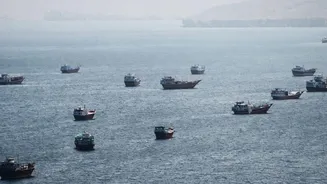


The Houthi advance along Yemen’s Red Sea coast and growing control of strategic positions around the Bab el-Mandeb Strait have emerged as a fresh security concern for India, with an intelligence assessment
warning of possible disruptions to trade, energy supplies and the safety of Indian seafarers.
The assessment, accessed by CNN-News18, flags the control of the Bab el-Mandeb by Ansarallah, the Houthi movement, as a critical security concern for India. According to the assessment, more than $200 billion of India’s trade with Europe, North Africa and the Americas passes through the wider maritime corridor connecting the Arabian Sea with the Red Sea and the Suez Canal.
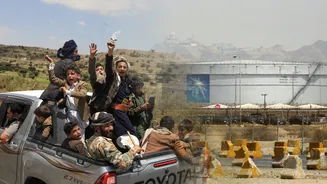
The concern comes as Houthi forces have made significant gains along Yemen’s Red Sea coast. The group has captured the strategic port of Mokha and advanced towards key islands and positions around the Bab el-Mandeb, including Perim, tightening its ability to influence shipping through the waterway.
10-14 Days Longer If Ships Take Cape Route
The intelligence assessment warns that any sustained disruption of the Bab el-Mandeb could force commercial vessels to avoid the Red Sea and take the longer route around the Cape of Good Hope.
Such a diversion can add 10 to 14 days to voyage times, according to the assessment, with implications for freight rates, marine insurance and the cost of transporting goods to and from India.
The risk is not theoretical. Shipping traffic through the Bab el-Mandeb has already fallen sharply amid the Houthi advances and attacks. Data reported by The National showed crossings through the strait falling from 30 to 15 in a single day in September, with vessels carrying commodities including crude, grains and steel.
The longer route also means higher fuel consumption and increased vessel utilisation, potentially pushing up logistics costs across supply chains. The assessment warns that these additional costs could eventually feed into domestic energy and consumer prices.
Energy Supplies Remain A Key Concern
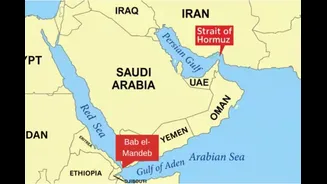
For India, the Bab el-Mandeb is particularly important because it provides a maritime link between the Arabian Sea, the Red Sea and the Suez Canal.
The route has remained operational for Indian energy shipments despite the escalation, but the intelligence assessment warns that its growing vulnerability could make India’s energy supply chains more expensive and less predictable.
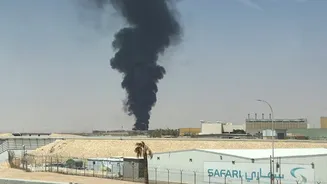
According to recent reports, the development has highlighted the wider pressure on energy routes in the region. Saudi Arabia has faced disruptions to alternative infrastructure, while Houthi gains around the Red Sea have raised fresh concerns over the resilience of oil flows. S&P Global has said the Houthi advance around Mokha could erode Saudi Arabia’s Red Sea export route, even if it does not by itself shut regional oil exports.
The concern for New Delhi is therefore not necessarily an immediate halt to supplies, but the possibility of higher costs, longer journeys and fewer secure maritime options if the situation deteriorates.
Indian Seafarers Face Direct Risk
The assessment also highlights the safety of Indian personnel working aboard commercial vessels operating through the Red Sea and Gulf of Aden.
It estimates that more than 20,000 Indian seafarers operate on vessels traversing the wider high-risk maritime corridors in the region. The figure is also broadly consistent with concerns raised earlier this year by the National Union of Seafarers of India over the safety of more than 20,000 Indian sailors amid regional tensions.
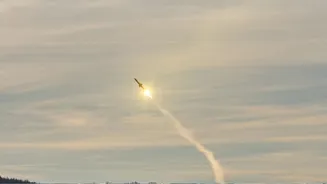
The latest assessment points to recent projectile attacks involving vessels with Indian crew or Indian links as evidence of the immediate physical risks facing Indian maritime personnel.
For New Delhi, the issue extends beyond the crews themselves. Any prolonged disruption to commercial shipping could affect India’s import and export schedules, raise insurance costs and create knock-on effects for industries dependent on imported energy, raw materials and intermediate goods.
A Second Pressure Point Alongside Hormuz
The intelligence assessment also draws attention to the broader strategic significance of the developments in Yemen.
With Iranian influence already central to the security situation around the Strait of Hormuz, growing Houthi leverage around Bab el-Mandeb creates the possibility of pressure at two major maritime chokepoints on either side of the Arabian Peninsula.
The assessment further warns that the weakening of foreign-backed deterrence in Yemen could leave regional partners such as Saudi Arabia and the UAE more exposed to asymmetric drone and missile attacks, with consequences for the regional economic stability on which India’s trade and energy interests depend.
India Maintains Diplomatic Position
Despite the security concerns, India’s position on Yemen’s internal political and governance questions remains diplomatically cautious.
New Delhi has focused on the principles of freedom of navigation, maritime security and the safety of Indian nationals, while working with regional navies and international partners on securing commercial shipping routes.
India has also publicly condemned recent Houthi attacks on Saudi Arabia, with the Ministry of External Affairs saying the attacks threaten regional security and freedom of navigation through the Bab el-Mandeb.