







The excitement around Grand Theft Auto VI is extending well beyond gaming consoles and streaming platforms. From creators staying awake for more than two days to viewers following marathon livestreams
and food delivery orders picking up late at night, the game’s launch is bringing attention to a lifestyle that revolves around extended screen time, irregular sleep schedules and convenience-driven eating.
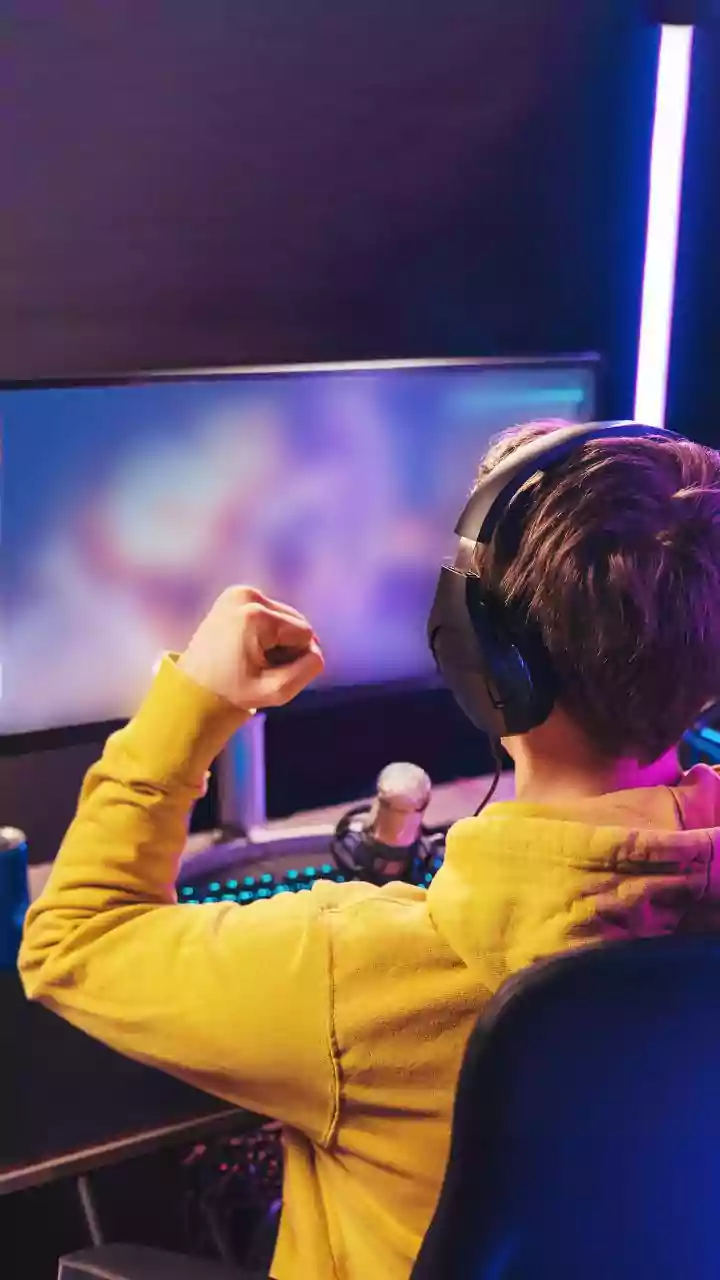
The scale of these gaming marathons became particularly evident when streamers BrycexD and iShowSpeed completed GTA 6 in record time. BrycexD, streaming from New Zealand, became the first known content creator to finish the game in 39 hours and 38 minutes, while iShowSpeed took 52 hours and 30 minutes.
The latter’s livestream turned into an extraordinary gaming marathon, with the creator admitting that he was exhausted and had not slept throughout the session.

Millions of ordinary players cleared calendars, took time off work, and settled in for long nights. Payroll data showed a noticeable rise in paid-time-off requests around the launch date, with some employees candidly listing “GTA 6” as the reason. One viral Reddit post even described a gamer renting a hotel room for an entire week to avoid interruptions.
While such extreme sessions may be exceptions rather than everyday gaming habits, they raise an important health question: what happens when entertainment begins to take priority over sleep, meals, movement and regular breaks?
Late-night Food Orders During GTA 6 Marathon Gaming
Staying glued to a screen for hours also changes how players approach everyday routines, particularly meals. Rather than stepping away to cook or eat at regular intervals, some gamers are choosing food that can be delivered quickly and consumed without interrupting gameplay.
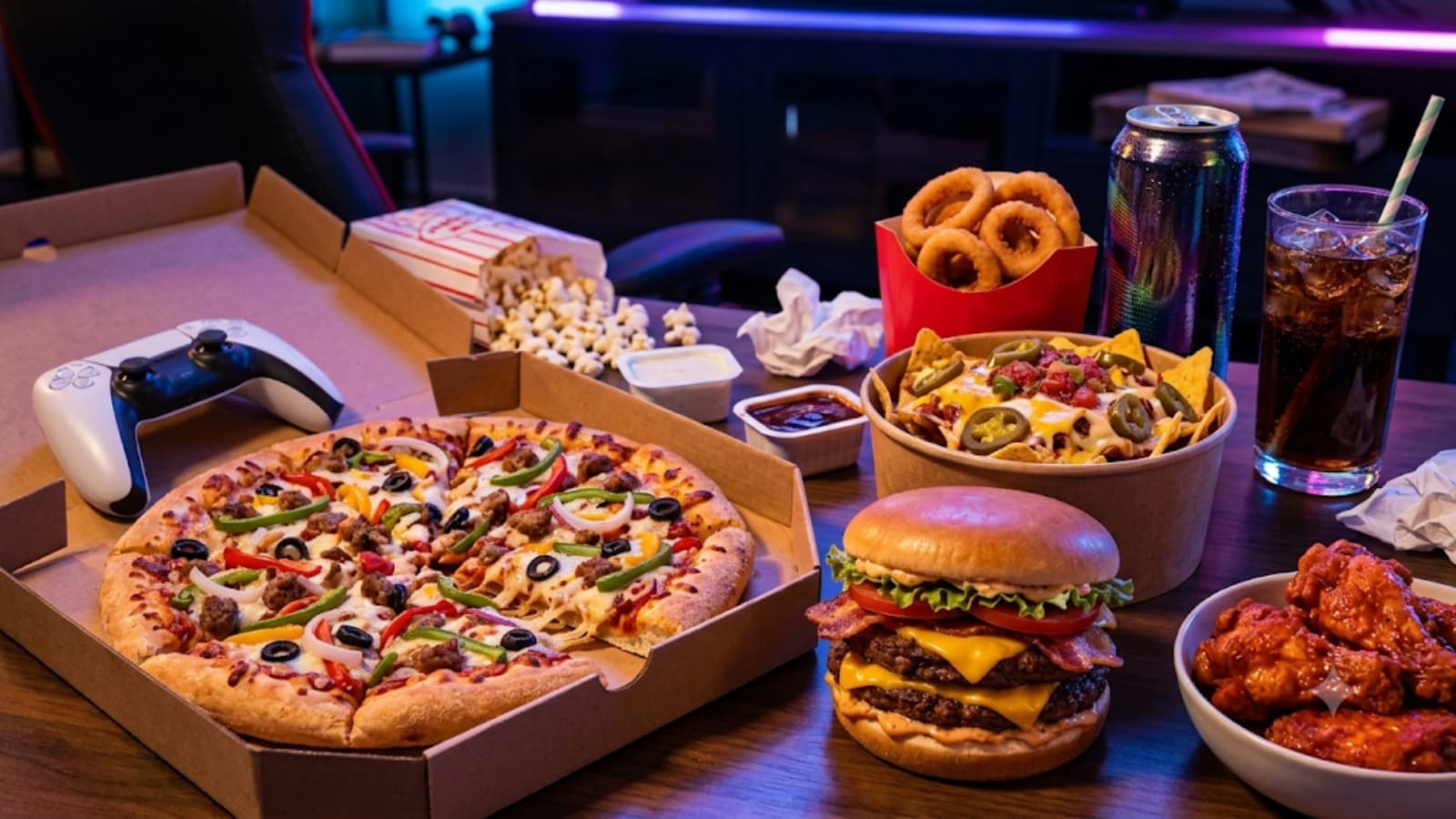
The trend was visible during GTA 6’s November 19 launch in the US. According to food delivery data reported by People, DoorDash recorded an increase of more than 10% in orders for chips, burgers, fries and pizza during the late-night launch window. Energy drink orders also increased by more than 20%. Meanwhile, Uber Eats reported that orders in Miami between midnight and 5 am were up by more than 30% compared with the previous two Thursdays.
The figures point towards a growing convenience-led eating pattern around extended gaming sessions. When players do not want to pause a mission or livestream, readily available snacks, fast food and caffeinated beverages can become the easiest options.
What Happens to Your Brain When You Game for Hours?
Gaming is not inherently harmful to brain health. In fact, it involves several cognitive processes, including attention, visual processing, decision-making, reward and motor coordination.
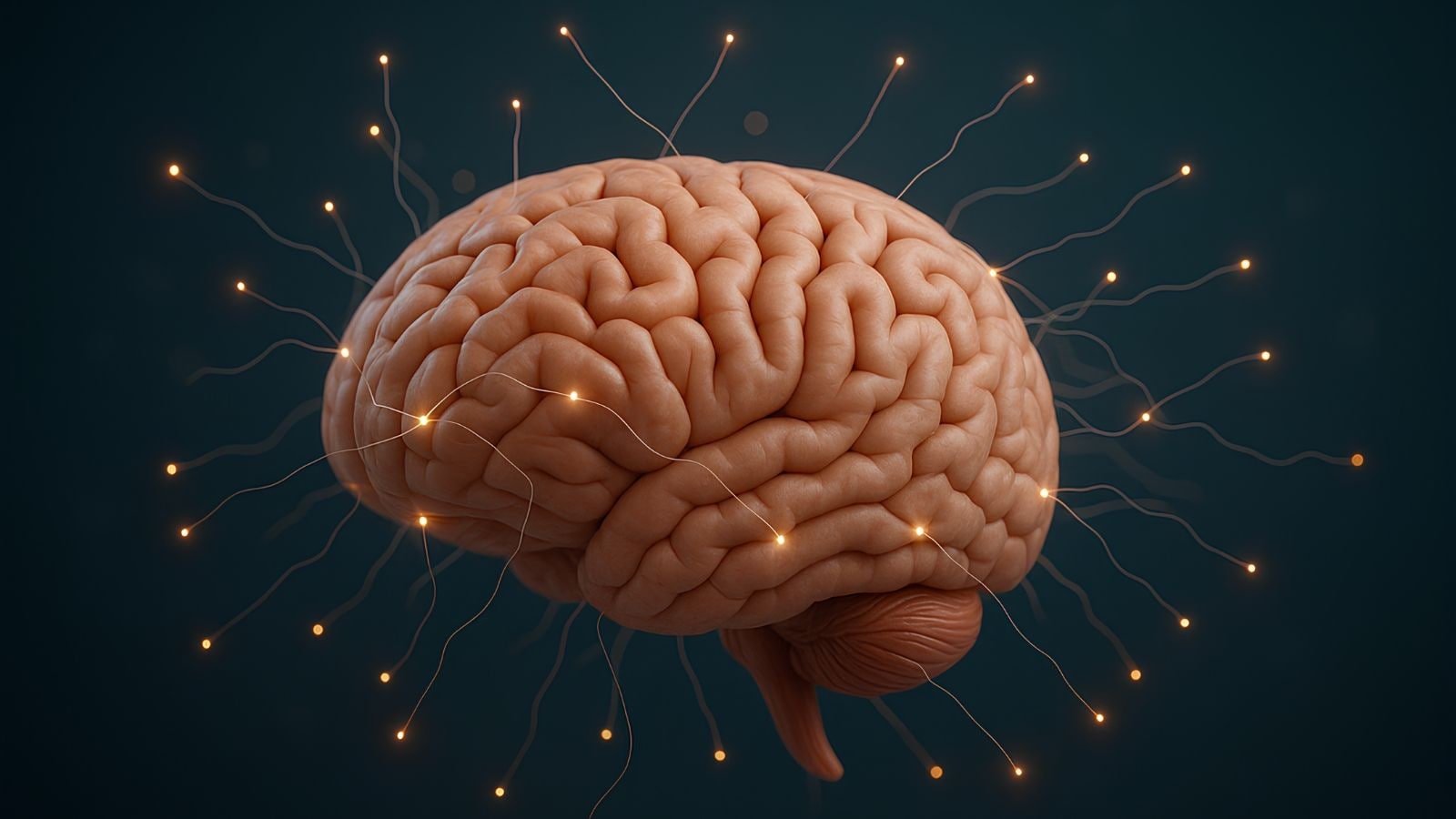
Neurologists explain, that gaming can improve reaction time, hand-eye coordination and certain cognitive skills. A 2024 study published in Alzheimer’s Research & Therapy, involving 471,346 UK Biobank participants, also found that frequent computer gaming was associated with better memory, reaction time and fluid intelligence, alongside greater grey-matter volume in the hippocampus, a brain region involved in memory.
However, the benefits of gaming should not be confused with the effects of playing continuously for several hours.
Experts cautioned that prolonged gaming without adequate breaks may contribute to mental fatigue, sleep disruption, eye strain and reduced physical activity. Sustained stimulation and concentration can also leave players mentally exhausted, particularly when they continue playing despite feeling tired.
Sleep Deprivation Can Affect Concentration and Emotional Health
One of the biggest concerns surrounding marathon gaming is the tendency to sacrifice sleep to finish a game, complete missions or remain online with viewers.
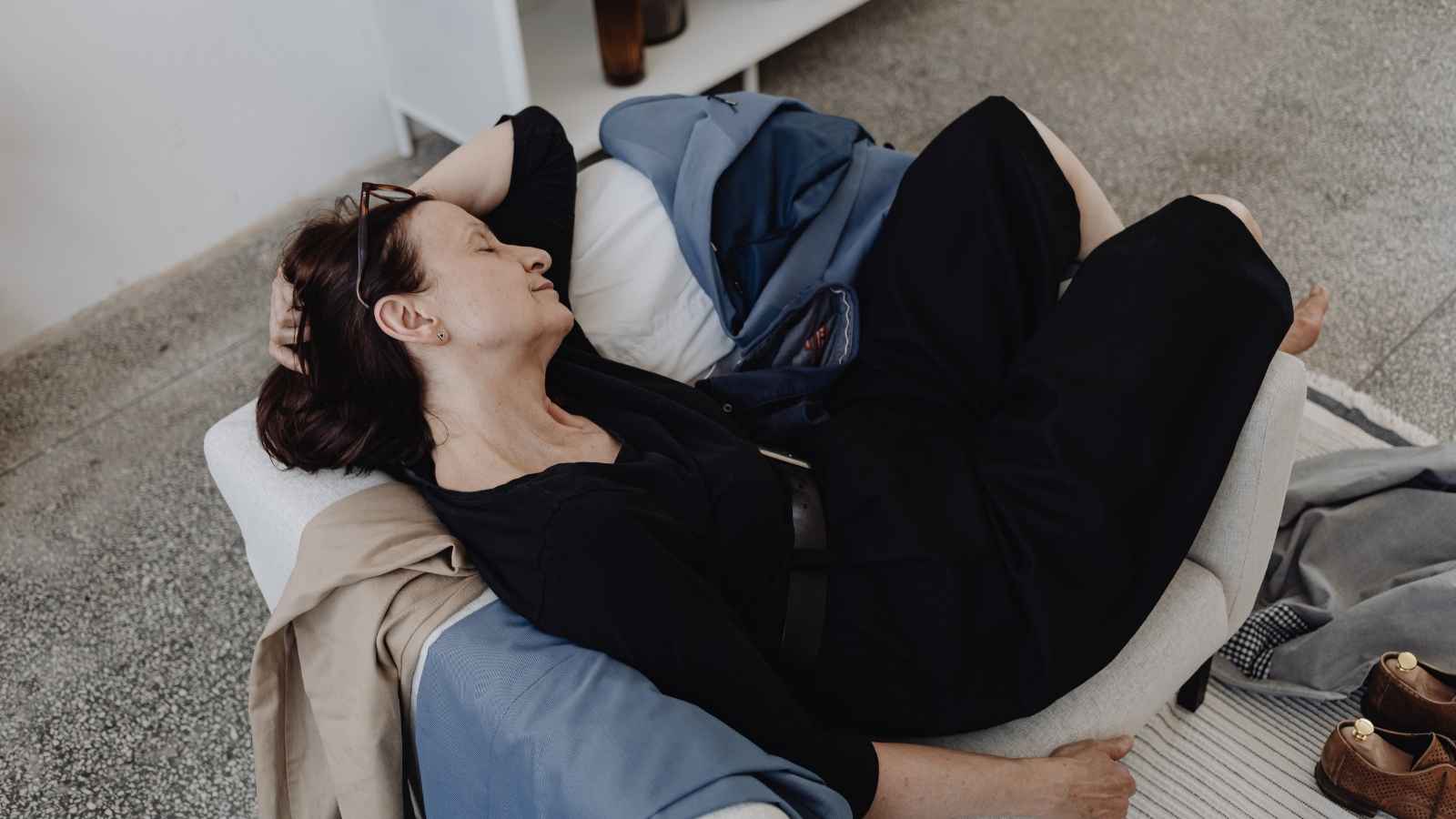
iShowSpeed’s 52-hour, 30-minute GTA 6 livestream highlights how extreme this behaviour can become. Staying awake for such an extended period can affect attention, reaction time, judgement and emotional regulation.
Research also points towards a relationship between problematic gaming and poor sleep. A 2021 systematic review and meta-analysis involving 51,430 participants across 26 countries found that problematic gaming was associated with twice the odds of poor sleep quality, 1.57 times the odds of daytime sleepiness and 2.6 times the odds of sleep problems.
Prolonged Screen Time Affecting Eyes
Gaming marathons are not just mentally demanding. Remaining seated in one position while concentrating on a screen can also affect physical well-being.
Extended screen exposure may contribute to digital eye strain, with symptoms such as dry eyes, headaches, blurred vision and difficulty focusing. Reduced blinking during intense screen use can further aggravate eye discomfort.
Meanwhile, sitting for prolonged periods can contribute to neck stiffness, back pain and discomfort in the shoulders and wrists. Reduced physical activity during gaming sessions also means players may miss out on the movement their bodies need throughout the day.
When Does Gaming Become A Cause for Concern?
Spending several hours playing a highly anticipated game does not automatically indicate gaming addiction. The concern arises when a person starts losing control over their gaming habits and continues playing despite negative consequences.
Some warning signs include:
- Being unable to control how long or how frequently you play.
- Repeatedly attempting to reduce gaming time but failing.
- Neglecting work, studies, relationships or personal responsibilities.
- Sacrificing sleep and basic self-care to continue playing.
- Losing interest in other activities.
- Continuing to game despite its negative impact on everyday life.
How Can You Enjoy GTA 6 Without Compromising your Health?
Enjoying a new game does not have to mean giving up healthy routines. A few practical changes can help players balance entertainment with their physical and mental well-being.

Take hourly breaks: Step away from the screen, walk around and stretch your neck, shoulders, back and wrists.
Follow the 20-20-20 rule: Every 20 minutes, look at something approximately 20 feet away for 20 seconds to reduce digital eye strain.
Protect your sleep: Set a finishing time instead of allowing missions and livestreams to extend indefinitely into the night.
Stay hydrated: Keep drinking water during gaming sessions rather than relying excessively on energy drinks or caffeinated beverages.
Eat balanced meals: Plan meals in advance and include protein, fibre-rich carbohydrates, fruits and vegetables instead of depending entirely on packaged snacks.
Maintain physical activity: Make time for walking, exercise and other activities away from the console.
GTA 6’s launch has shown how powerfully a single cultural release can reshape routines overnight. The streamers who raced to the credits and the millions ordering pizza at 2 a.m. illustrate both the intensity of modern fandom and the need for intentional recovery