






Suddenly facing tremors, fatigue, and numbness, there is a possibility that you might be dealing with magnesium deficiency, which is an electrolyte disturbance that is caused by low levels of magnesium in the body.
Magnesium supports muscle and nerve function, heart rhythm, and bone health, so filling your plate with natural sources can help ease symptoms like cramps, fatigue, and muscle twitching over time.
It has been gaining a lot of importance after the ‘sleepy girl mocktail’ went viral online.
What Is Sleepy Girl Mocktail?
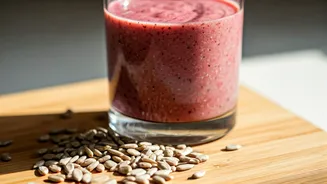
This TikTok trend has gained a lot of traction, as it has become a popular way for people who deal with bad-quality sleep or insomnia. Several influencers have alleged that it has sleep-inducing properties. As it is a non-alcoholic drink, people have been lauding its benefits and even drinking it everyday to induce sleep. It is made by simply blending tart cherry juice, magnesium powder, and sparkling water, which is often a prebiotic soda. It is consumed before going to bed and is believed to help with relaxation and improve sleep quality.
What Causes Lower Magnesium Levels?
According to a report by TOI, Dr Deepesh V says, “Low magnesium is not very common in the general population. It occurs in less than 2% of individuals, mostly in people who have alcohol use disorder, which results in decreased food intake. Alcohol, per se, increases the loss of magnesium through the urine. About 10% of hospitalized patients are detected with magnesium deficiency, and almost 50 to 60% of them are found in the ICU.”
Some of the most overlooked reasaons that trigger low magnesium can include:
- Long-term use of medicines like diuretics and acid reducers
- Certain antibiotics and chemotherapy drugs
- Chronic diarrhoea or gut disorders that block absorption
- Poor nutrition over time
- Alcohol use that both reduces intake and increases loss
How To Treat Low Magnesium Levels?
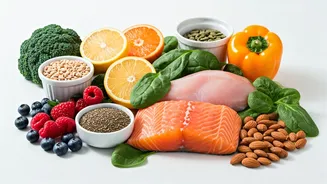
If you’re dealing with low magnesium, the best place to start is by adding more magnesium‑rich whole foods to your daily eating pattern. Focus on adding leafy greens such as spinach, methi, moringa, and other darker greens into your diet as they are brimming with in magnesium. It is also easy to add them to your curries or smoothies and make sabzis out of them.
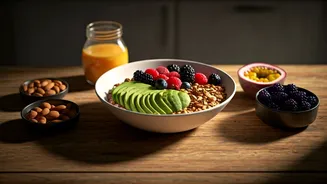
Also, do include nuts and seeds, like pumpkin seeds, flaxseeds, sunflower seeds, sesame seeds, almonds, cashews, peanuts, and mixed nuts, into your food as much as possible as they all provide a substantial magnesium boost Turn them into ladoos or add them to dals and salads, or eat a handful of these nuts and seed by the handful as a snack.
Whole grains and legumes such as ragi, bajra, jowar, brown rice, oats, and dals like toor, chana, masoor, and moong naturally pack in magnesium. Aim to consume at least one dal or lentil dish per day and swap refined staples with these fibre‑rich options.
Other foods that also inlude magnesium are avocados, bananas, potatoes with skin, and dark chocolate (70% or higher), along with salmon and tofu, which have the added benefit of being high in protein.