






India’s travel bucket list may soon have three unusual additions, from a mud volcano hidden in the Andaman Islands to landscapes shaped by volcanic activity and an ancient settlement in Chhattisgarh.
These
lesser-known destinations offer a glimpse of the country’s geological wonders and centuries-old heritage. Their inclusion on UNESCO’s Tentative List puts them on the radar of travellers looking beyond India’s familiar tourist hotspots, although they are not yet designated World Heritage Sites.
The Permanent Delegation of India to UNESCO announced the inclusions on 20 October 2026. The new entries span striking geology in the Andaman and Nicobar Islands and an ancient cultural landscape in Chhattisgarh. While the first two highlight the geological wonders of the Andaman and Nicobar Islands, Sirpur offers a journey into India’s ancient religious and architectural heritage.
1. Sirpur Cultural And Archaeological Landscape, Chhattisgarh
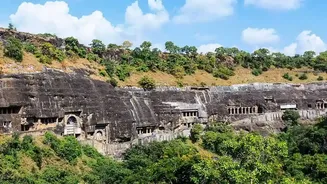
For travellers drawn to ancient architecture, Sirpur offers a glimpse into central India’s rich past. Located in Mahasamund district on the banks of the Mahanadi River, the historic settlement flourished between the 5th and 12th centuries.
Its archaeological remains include Hindu temples, Buddhist monasteries and Jain structures, reflecting centuries of religious and cultural exchange. The Lakshmana Temple, a notable brick temple dedicated to Vishnu, is among its best-known monuments.
Beyond its individual structures, Sirpur’s wider archaeological landscape offers insights into ancient settlement patterns, trade and religious life. UNESCO’s recognition at the Tentative List stage could help bring greater attention to the heritage of Chhattisgarh.
2. Andaman Subduction Volcanoes
The second entry includes Barren Island and Narcondam Island, two volcanic landscapes in the Andaman Sea.
Barren Island is home to India’s only confirmed active volcano, making it particularly significant for geological research. Narcondam, meanwhile, is a forested volcanic island known for its distinctive ecosystem and the endemic Narcondam hornbill.
These islands are not conventional sightseeing destinations, and access restrictions apply, particularly around Narcondam. Their inclusion on the Tentative List highlights their scientific and ecological importance rather than opening them up for unrestricted tourism.
3. Baratang Island, Andaman And Nicobar Islands
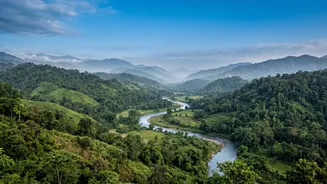
Best known for its limestone caves and mud volcanoes, Baratang offers a different experience from the beaches usually associated with the Andaman Islands. Its caves have developed over time as water dissolved limestone rock, creating distinctive underground formations.
The island’s mud volcanoes are equally unusual. Unlike conventional volcanoes, they release mud, water and gases rather than molten lava. These geological features make Baratang an intriguing destination for travellers interested in natural landscapes and geological history.
What Does UNESCO’s Tentative List Inclusion Mean?
Being added to UNESCO’s Tentative List is an important preliminary step towards possible World Heritage status, but it does not mean the sites have been officially inscribed on the World Heritage List. Each will need to progress through the formal nomination and evaluation process.
For travellers, the additions offer a fresh reason to explore India’s less familiar landscapes and heritage destinations, from the geological formations of the Andaman Islands to the archaeological treasures of Sirpur.