






Cancer headlines often travel faster than science. A viral post, a documentary, or a dramatic claim about sugar or junk food can quickly spiral into blanket fear, making everyday foods seem like ticking
time bombs. But nutrition science is rarely absolute. The relationship between processed foods, sugar and cancer is far more nuanced than popular narratives suggest. It is shaped by long-term habits, metabolic health and overall lifestyle rather than a single ingredient on your plate.
“International classifications are often applied inaccurately and overstated in the public square. Health systems like the World Health Organisation and the International Agency for Research on Cancer assess risk based on the strength of available data,” says Dr Anil Thakwani, MD, Oncologist, Prakash Hospital, Noida. He adds that labels such as “carcinogenic” often reflect population-level risk, not guaranteed outcomes for individuals.
Echoing this, Dr Amit Upadhyay, Senior Consultant Haematologist and Oncologist at PSRI Hospital, Delhi, says, “Processed foods and sugar are often blamed for causing cancer, but it’s important to separate scientific evidence from fear-based assumptions. Cancer risk is influenced by a combination of genetics, lifestyle, physical activity and long-term dietary patterns, not by a single food group.”
The Problem With Fear-Based Food Narratives
Oversimplified messaging tends to flatten complex evidence into black-and-white rules: sugar is ‘toxic, processed food is ‘dangerous.’ In reality, risk accumulates over time. Diet is one piece of a much larger puzzle that includes weight, sleep, exercise, stress, and environmental exposures.
When fear replaces facts, people may either obsessively eliminate foods or give up entirely – neither of which supports sustainable health.
What ‘Processed’ Actually Means
Not all processed foods are equal. Processing can range from freezing vegetables or pasteurising milk to ultra-processing that involves additives, flavour enhancers and industrial formulations. “Processed meats, for instance, are classified as carcinogenic because of compounds created during curing or high-temperature cooking. But this indicates increased risk across populations, not that occasional consumption automatically causes cancer,” Dr Thakwani explains.
Ultra-processed foods often contain excess salt, sugar and unhealthy fats while lacking fibre and micronutrients. Regular overconsumption is linked to obesity and metabolic disorders – conditions known to elevate cancer risk. Still, most research is observational, meaning it shows correlation, not direct causation.
Does Sugar Really Feed Cancer?
The idea that sugar feeds cancer persists widely, but the science is less dramatic. “All cells in our body use glucose for energy, not just cancer cells. Current research does not show that eating sugar directly ‘feeds’ cancer in a unique way that causes the disease,” says Dr Upadhyay.
Instead, the connection is indirect. Diets consistently high in added sugars may contribute to weight gain, insulin resistance and chronic inflammation – biological states that increase vulnerability to several cancers. In other words, it’s the metabolic imbalance, not sugar alone, that matters.
Patterns Matter More Than Ingredients
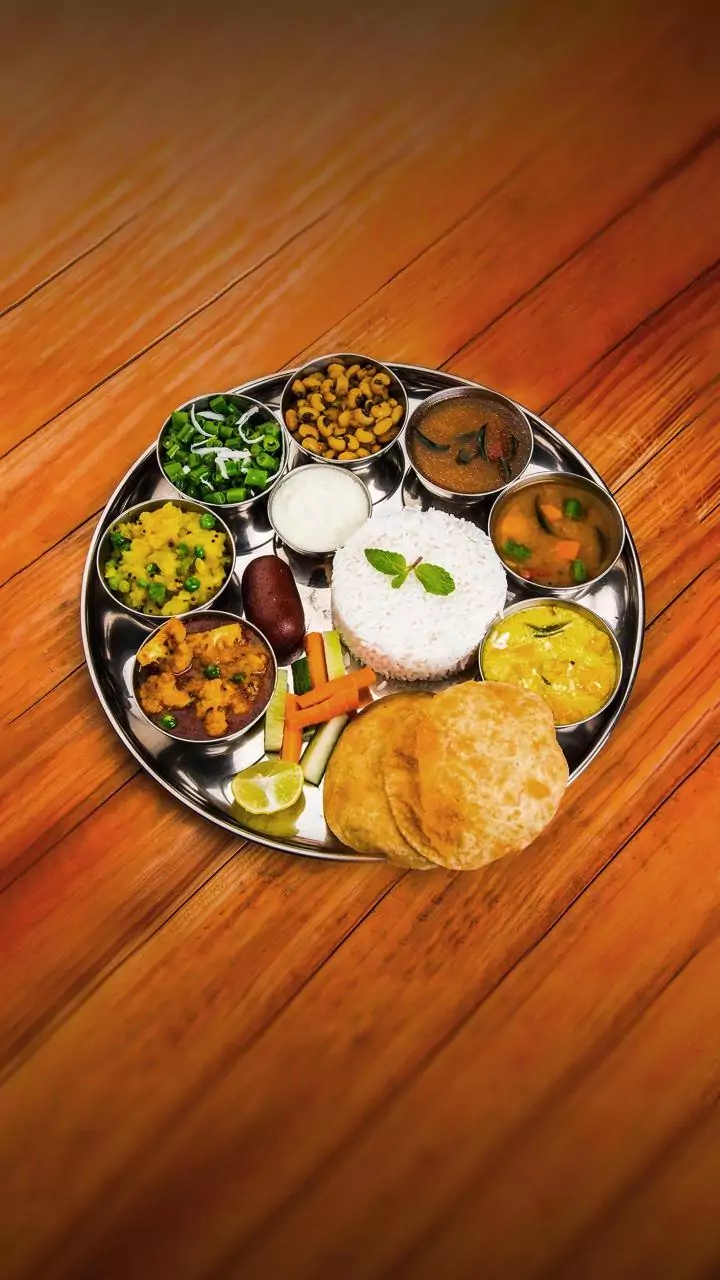
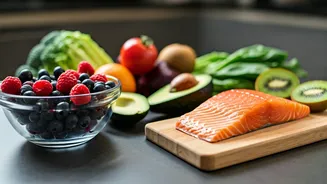
Zooming out reveals a clearer picture. Diets heavy in ultra-processed foods often crowd out protective choices like fruits, vegetables, legumes and whole grains. These foods supply fibre, antioxidants and phytonutrients that support gut health, reduce inflammation and stabilise metabolism.
As Dr Upadhyay notes, “Processed foods may negatively impact overall metabolic health when consumed in excess, but the bigger driver is long-term dietary behaviour.”
Public health experts increasingly advocate moderation over elimination. Rather than demonising individual foods, the goal is balance: more whole foods, fewer ultra-processed options, regular movement and consistent routines.
Cancer prevention isn’t about perfection – it’s about patterns. Small, sustainable choices repeated daily have far greater impact than dramatic restrictions driven by fear. By shifting the conversation from panic to perspective, we empower people to make informed decisions grounded in evidence, not alarm.