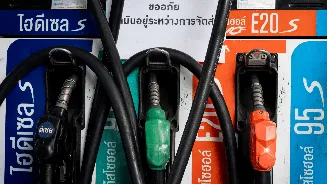






Russia has announced that the country is planning to ban gasoline (petrol) exports from April 01 amid the energy crisis due to the ongoing US-Israeli war with Iran.
The government said crude oil processing
volumes remain at last year’s level, ensuring a stable supply of oil products. Russia has repeatedly imposed curbs on gasoline and diesel exports to rein in rising fuel prices and tackle shortages.
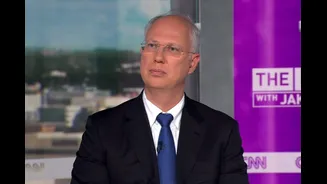
Russian Deputy Prime Minister Alexander Novak said that turmoil in the global oil and oil products market, caused by the crisis in West Asia, is leading to significant price fluctuations.
Will The Banning Of Gasoline (Petrol) Impact India?
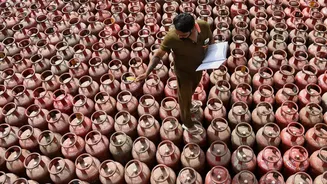
India primarily depends on crude oil — the raw material used to produce petrol and diesel — rather than importing finished fuels like gasoline. Around 80% of India’s crude oil needs are met through imports, and roughly 20% of that comes from Russia.
However, India imports very little gasoline or other refined fuel products. Instead, it processes crude domestically through its large refining ecosystem. This means the country is not directly dependent on Russian gasoline supply, and the recent export ban is unlikely to have any immediate impact.
In fact, India is among the world’s major refining hubs, with a capacity of about 5.6 million barrels per day. It not only meets domestic demand but also exports refined fuels.
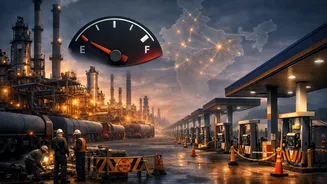
That said, the risk lies on the indirect side. Any disruption in global fuel supply — including Russia’s gasoline export ban — can tighten markets and push up crude oil prices. Indian refiners are already under pressure, with oil prices hovering above $100 per barrel amid the ongoing war.
So while the ban itself may not hurt India directly, higher crude prices could still impact fuel costs and refining margins going forward.