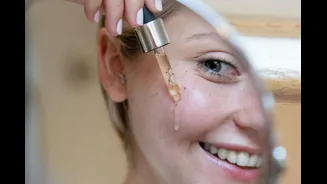




Skincare in 2025 is more experimental than ever, shaped by social media virality, tech innovation, and growing interest in wellness-led beauty. While some trends reflect genuine scientific progress, others
blur the line between curiosity and risk. Dermatologists caution that healthy skin is not built through shortcuts or shock-value routines but through understanding what your skin truly needs. As unusual practices gain traction online, experts stress the importance of separating evidence-backed innovation from potentially harmful experimentation.
Viral Skincare Trends Of 2025 That Miss The Mark
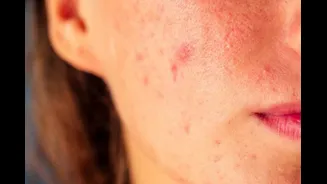
Addressing the surge of extreme skincare experiments, Dr Smriti Naswa Singh, Consultant Dermatologist and Cosmetologist at Fortis Hospital, Mulund, notes, “Not every skincare trend you see online is meant for your skin. Good skin comes from understanding your skin’s needs, not chasing instant results.”
One of the most controversial trends this year has been the so-called menstrual or period blood mask. Dr Singh firmly dismisses the practice. She explains, “There is no scientific basis for applying menstrual blood to the skin, and since it is not sterilised, it can cause irritation or infection , especially in sensitive skin types.”
Another viral hack involves using personal lubricant as a makeup primer. While it may create a temporarily smooth appearance, Dr Singh warns that “these products are not formulated for facial skin. Their ingredients can clog pores, trigger breakouts, and cause long-term discomfort.”
The Problem With Shortcut Glow Treatments
Injectable and in-clinic trends have also raised concerns. IV glutathione, often marketed as a fast track to brighter skin, continues to trend despite limited necessity for most users.
Dr Singh notes, “Real glow does not come from injections. Healthy skin builds slowly with sun protection, nourishing food, proper sleep, and a routine suited to your skin.” She cautions that unnecessary IV treatments, when taken without medical supervision, can do more harm than good.
Similarly, placenta facials promise rejuvenation but lack strong scientific evidence. Dr Singh adds that such treatments can sometimes trigger allergies or irritation, particularly in reactive skin. Candle-based moisturisers, another unusual trend, may benefit extremely dry skin but risk worsening acne or oiliness due to their heavy texture.
Skincare Trends Of 2025 That Reflect A Smarter Shift
Not all 2025 skincare trends are questionable. Dr Kusumika Kanak, Consultant Dermatologist at Sahyadri Super Speciality Hospital, Pune, highlights the rise of microbiome-friendly skincare. “These products support the skin’s good bacteria, which act as a protective shield and help maintain skin stability,” she explains. This shift has encouraged milder cleansers and barrier-supportive formulations over harsh actives.
Technology is also playing a larger role. “Skin-mapping tools and apps are helping people detect early signs of dehydration, inflammation, or damage,” Dr Kanak notes, allowing users to better understand redness, pores, and fine lines instead of guessing their skincare needs.
Blue Light, Stress, And Sustainability
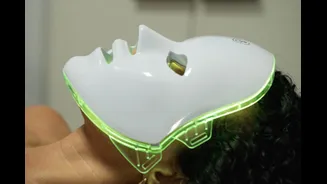
As screen time continues to rise, blue light defence skincare has gained relevance. Dr Kanak explains that antioxidants are now being used to reduce oxidative stress caused by prolonged digital exposure, which may accelerate skin ageing.
Emerging interest in neurocosmetics reflects a growing link between emotional wellness and skin health. These products aim to reduce stress-related symptoms such as dullness or redness by interacting with nerve endings. While the science is still evolving, Dr Kanak says the concept resonates with consumers seeking holistic solutions.
Environmental consciousness is also shaping choices. Waterless skincare, such as solid cleansers, balms, and concentrated serums, has gained popularity due to lower environmental impact and gentler formulations that require fewer preservatives.
Skincare trends in 2025 reveal a clear divide between science-led innovation and viral experimentation. While advancements in microbiome care, technology, and sustainability show promise, extreme DIY hacks and shortcut treatments carry real risks. Dermatologists agree that consistent routines, professional guidance, and patience remain the foundation of healthy skin – far more effective than chasing the next viral trend.