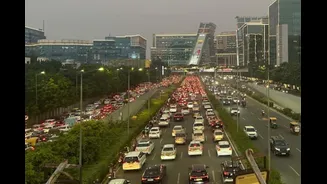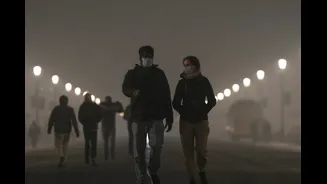







As winter fades and air quality numbers begin to improve, many assume the health risks of smog disappear along with the haze. But doctors warn that the human body, particularly the lungs, does not reset
as quickly as pollution levels do. Winter smog, dominated by fine particulate matter and toxic gases, can leave behind inflammation, impaired lung function, and heightened vulnerability that persist long after the season ends. For millions living in high-pollution regions, the real damage unfolds quietly, weeks or even months later.
What Winter Smog Does Inside The Lungs
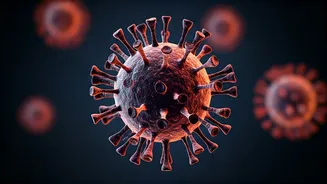
“Prolonged exposure to winter smog, especially fine particulate matter PM2.5, penetrates deep into the lungs, causing persistent airway inflammation, oxidative stress, and reduced lung function,” explains Dr. Vikas Mittal, Director – Pulmonologist at CK Birla Hospital, Delhi. He adds that these microscopic particles bypass the body’s natural defence mechanisms and settle deep in the airways and alveoli, triggering immune responses that don’t simply shut off once exposure ends.
According to Dr. Mittal, large population studies such as the Harvard Six Cities Study and American Cancer Society cohorts have consistently linked long-term PM2.5 exposure to chronic lung disease, lung cancer, and increased cardiopulmonary mortality. “Importantly, the damage does not fully reverse once the smog season ends,” he notes, pointing to evidence from the World Health Organisation that repeated seasonal exposure leads to cumulative lung impairment over time.
Why Children Are At Higher Risk
Children bear a disproportionate burden of winter smog exposure. “Children breathe faster than adults and spend more time outdoors, which increases their exposure to PM2.5, nitrogen dioxide, and other pollutants,” says Dr. Chandra Sekhar Singha, Paediatrician at Madhukar Rainbow Children’s Hospital, Delhi. As a result, many children continue to experience chronic cough, wheezing, breathlessness, or frequent chest infections weeks after winter ends.
Dr. Singha highlights a more concerning long-term impact: “In younger children, whose lungs are still developing, repeated exposure to smog can harm normal lung growth and reduce lung capacity over time.” This can increase the risk of developing asthma, worsen existing respiratory conditions, and weaken lung defences against future infections and allergens. Infants and toddlers, he adds, are especially vulnerable due to immature immune and detoxification systems.
The Hidden, Long-Term Inflammatory Burden
Even adults without prior lung disease are not immune. “Winter smog does not disappear from our bodies the moment the air clears,” says Dr. Ankit Bhatia, Senior Consultant at Yashoda Institute of Respiratory Medicine & Interventional Pulmonology, Ghaziabad. He explains that pollutants inhaled during winter can reach the smallest airways and even enter the bloodstream, leading to persistent airway inflammation.
Dr. Bhatia notes that many people continue to experience cough, chest tightness, wheezing, and shortness of breath long after pollution levels drop. “In patients with asthma or COPD, winter smog can accelerate lung function decline and increase the frequency of flare-ups even after the season ends,” he says. Emerging evidence also suggests weakened local lung immunity, increasing susceptibility to respiratory infections well beyond winter.
Why Repeated Exposure Matters
What makes winter smog particularly dangerous is its cumulative effect. Each polluted season adds to an invisible inflammatory load on the lungs, slowly reducing lung reserve and exercise capacity while increasing the risk of chronic respiratory and cardiovascular disease. Vulnerable groups such as children, older adults, and those with pre-existing lung conditions face accelerated decline if preventive steps are not taken year-round.
The end of winter should not signal the end of vigilance. Lingering lung inflammation, reduced immunity, and long-term structural damage mean that recovery takes time, and in some cases, may never be complete. Protecting lung health requires sustained awareness, regular medical follow-ups for high-risk individuals, and proactive prevention beyond peak pollution months.