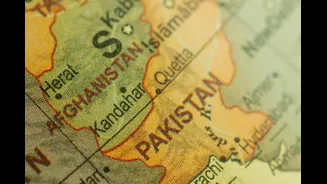










Pakistan Defence Minister Khawaja Asif has warned that Islamabad could resort to military action against India if it believes the country’s water security is under serious threat, amid escalating tensions
following New Delhi’s suspension of the Indus Waters Treaty.
Speaking to ARY News on Saturday, Asif linked water resources directly to Pakistan’s national security and said the country would not hesitate to respond forcefully if it felt its interests were being endangered.
“The moment we feel that our national security and water are being threatened, we will go to war against India. Definitely,” Asif said.
He further indicated that Pakistan could consider military options if it concluded that India was taking steps at an “alarming speed” to interfere with water flows meant for Pakistan.
The remarks come against the backdrop of India’s decision to suspend the 1960 Indus Waters Treaty after the April 2025 terror attack in Pahalgam that killed 26 people.
New Delhi has maintained that the treaty will remain in abeyance until Pakistan takes what it describes as credible and verifiable action against cross-border terrorism.
The World Bank-mediated agreement has historically provided Pakistan access to a substantial share of the Indus river system, supporting the country’s agricultural sector.
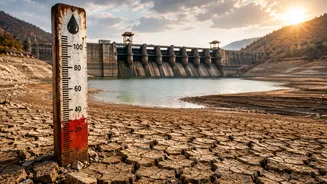
However, concerns over water availability have intensified in recent months as Pakistan grapples with a worsening domestic water shortage.
During the interview, Asif accused India of using water as a strategic tool, alleging that New Delhi was manipulating flows in the Chenab River and withholding relevant information.
He claimed that Pakistani authorities had previously conducted “around 115 inspections” related to water-sharing arrangements.
At the same time, the minister acknowledged that he was not aware of developments that may have taken place during the past year, despite making allegations about India’s actions.
The comments have come at a time when Pakistan is facing mounting pressure from an internal water crisis affecting large sections of the population, particularly in Sindh and Balochistan.
Data released by Sindh’s irrigation department points to severe shortages across major canal networks.
According to the figures, the North West Canal is operating with a water deficit of 64.1 per cent. The Rice Canal has recorded a shortfall of 38 per cent, while the Dadu Canal is facing an even steeper deficit of 82 per cent.
The situation has also raised concerns around the Sukkur Barrage, a key component of Pakistan’s irrigation system.
As water levels continue to decline, regional leaders have warned of serious economic consequences and criticised authorities over unresolved disputes concerning water distribution.