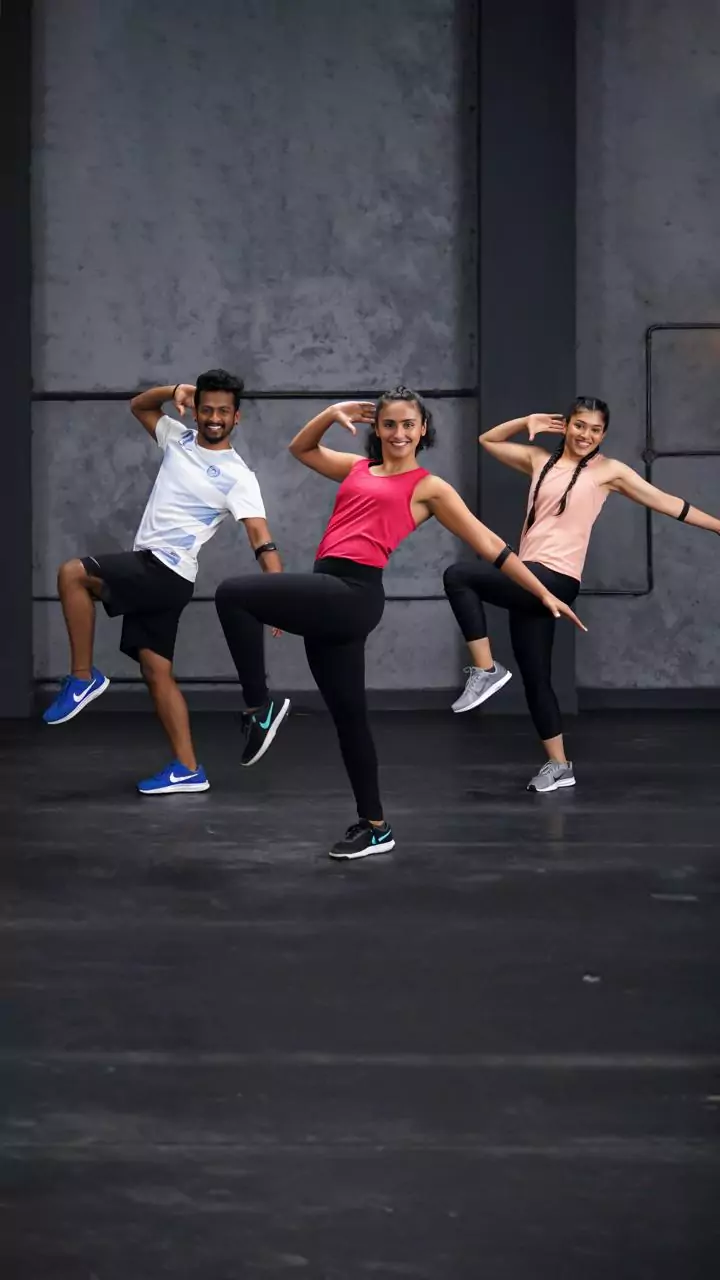









In 2026, the definition of fitness is shifting. Instead of chasing extreme workouts, heavy lifts, or punishing routines, people are prioritising movement that feels natural, sustainable, and relevant to
daily life. The goal is no longer just physical transformation. It’s pain-free movement, long-term mobility, and the ability to perform everyday tasks with ease. This change has propelled functional fitness to the forefront, making it one of the most preferred workout styles across age groups and fitness levels.
What Exactly Is Functional Fitness?
Functional fitness focuses on training the body to perform real-life movements efficiently. Dr. Leelamohan PVR, Consultant Physician at Padithem Health Care, Bangalore, (consults on Practo) explains, “Functional fitness workouts train the body for real-life movements using actions like squatting, pushing, pulling, rotating, bending, and carrying – movements we perform while climbing stairs, lifting groceries, or standing up from a chair.”
Clinical Dietitian Dt. Prerana Solanki, who consults at Practo, echoes this perspective. She notes, “Functional fitness involves multi-joint and multi-muscle movements that mirror everyday actions, to train the body as a coordinated system rather than isolate individual muscles.”
Why Everyday Movement Matters
One of the biggest advantages of functional fitness is how closely it mimics natural movement patterns. According to Dr. Leelamohan, training muscles to work together improves joint stability, posture, balance, and coordination, which are key factors in preventing common issues like back pain, knee strain, and shoulder injuries. He adds that over time, this approach improves neuromuscular coordination, allowing the body to move more efficiently and safely, especially as people age.
Dt. Solanki highlights that because functional exercises are relatable and purposeful, they are easier to maintain consistently. This practicality plays a major role in why functional fitness has gained widespread acceptance beyond traditional gym-goers.
Key Benefits That Go Beyond The Gym
Functional fitness delivers multiple benefits that extend into everyday life. Dt. Solanki points out that multi-muscle exercises improve balance and stability, reducing the risk of falls and instability. By encouraging joints and muscles to move through their full range of motion, functional training also enhances mobility and flexibility while reducing stiffness.
Dr. Leelamohan adds that functional workouts prepare the body for physical stress encountered during routine activities, significantly lowering injury risk. Since the movements reflect daily actions, the strength gained is practical – making tasks like lifting luggage, carrying shopping bags, or playing with children easier and less exhausting.
Time-Efficient, Accessible, And Sustainable
In today’s fast-paced world, consistency often matters more than intensity. Dr. Leelamohan notes that most functional workouts can be completed in 20–40 minutes using minimal equipment or just body weight, making them ideal for busy professionals. These workouts can be done at home, outdoors, or in small studio spaces without losing effectiveness.
From a nutritional and lifestyle perspective, Dt. Solanki adds that functional fitness supports higher energy levels and endurance by improving movement efficiency. As the body learns to move better, it conserves energy, leading to reduced fatigue throughout the day.
Who Can Benefit From Functional Fitness?
Functional fitness is suitable for people of all ages and fitness levels. Dt. Solanki explains that it is especially beneficial for individuals looking to improve everyday mobility, older adults aiming to maintain independence and prevent falls, and athletes who want training that directly enhances performance. Dr. Leelamohan reinforces that its low-injury, adaptable nature makes it ideal for long-term health rather than short-term results.
In 2026, fitness is no longer about pushing limits. It’s about moving better. Functional fitness aligns exercise with real life, supporting strength, balance, mobility, and endurance in ways that truly matter. By focusing on everyday movement, this approach encourages consistency, reduces injury risk, and promotes long-term physical resilience.