







Are your plants drooping, yellowing or looking tired despite regular watering? Summer heat can put enormous stress on plants, and simply giving them more water won’t always solve the problem. To keep your garden
thriving through a heatwave, you’ll need a smarter approach to watering, soil care and moisture retention.
Here are some simple ways to help your plants stay healthy during extreme heat.
Water At The Right Time
One of the biggest mistakes gardeners make is watering plants during the hottest part of the day. When the sun is blazing, water can heat up quickly and evaporate before reaching the roots effectively.
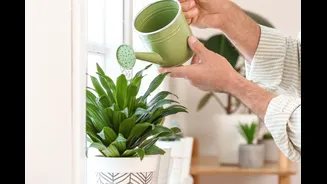
The best time to water plants is early in the morning or after 6 pm in the evening. Evening watering is often considered ideal because cooler temperatures allow moisture to seep deeper into the soil and reach the roots without evaporating too quickly.
Also Read: Lunar Eclipse On Raksha Bandhan 2026? Know What It Means For Celebrations In India
Use Room-Temperature Water
The temperature of the water matters too. Avoid using extremely hot water or dirty water on plants, as it can damage roots and affect growth.
Instead, use clean water at a normal or room temperature. This helps plants absorb moisture more comfortably without experiencing additional stress.
Don’t Overwater
When temperatures rise, many people respond by giving their plants extra water. But more isn’t always better.
Overwatering can saturate the roots, making it difficult for plants to absorb oxygen. In some cases, excess moisture can lead to yellowing leaves, root damage and poor growth. Instead of watering on a fixed schedule, check the soil moisture and water only when needed.
Try Mulching To Lock In Moisture
Mulching is one of the most effective ways to protect plants from summer heat.
Covering the soil around plants with dry leaves, grass clippings, straw or coconut husk helps reduce moisture loss and keeps the soil cooler. Mulch also acts as a protective layer, shielding roots from extreme temperatures and reducing the need for frequent watering.
A bonus? Mulching can help suppress weeds, which compete with your plants for water and nutrients.
Watch For Signs Of Heat Stress
Keep an eye out for warning signs such as drooping leaves, dry leaf edges, yellowing foliage or unusually slow growth. If you notice these symptoms, move potted plants to a shaded area if possible and ensure the soil retains adequate moisture.