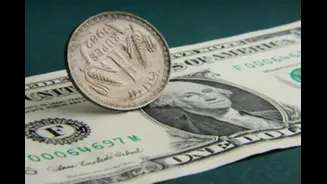









Rupee @92 Vs Dollar: Indian rupee hit a record low of near 92.00 against the US dollar in early trade on Thursday amid broad weakness across Asian currencies as the greenback recovered. The Indian rupee opened
at a low of 91.99 per US dollar as against its previous close of 91.78 level.
The dollar index recovered slightly after the US Federal Reserve’s policy decision, while US Treasury yields rose after the Fed acknowledged that inflation remained elevated and the labour market continued to stabilise.
What Gets Costlier And Who Benefits
Imports: India imports crude oil, coal, chemicals, plastics, electronics, machinery, fertilisers, vegetable oils, gold, pearls, precious stones, and iron and steel. A weaker rupee makes these imports costlier, which could push up prices of fuel, mobile components, cars, appliances, and other goods.
Foreign education: Students heading abroad will need more rupees to cover tuition and living expenses billed in dollars.
Foreign travel: Overseas travel becomes more expensive as travellers pay more rupees per dollar.
Remittances: NRIs sending money home benefit, as each dollar converts into a higher rupee amount.
Exports: Exporters may gain because they earn more rupees per dollar, though those dependent on imported inputs could see margins squeezed. Sectors with low import reliance, such as textiles, typically benefit more than electronics and other import-heavy industries.
Latest trade data showed imports rising 8.7% to USD 63.55 billion in December 2025, with the trade deficit at USD 25.04 billion. Crude oil imports climbed about 6% to USD 14.4 billion, while silver imports surged nearly 80% to USD 758 million. Gold imports, however, fell 12% to USD 4.13 billion.
Policy experts say India must balance growth and inflation while reassessing currency management and trade strategy. Export bodies note that while a weaker rupee improves price competitiveness globally, high import costs in sectors like electronics and gems and jewellery could offset the benefit.