





When we dream of the perfect escape, our minds often drift to infinity pools and manicured horizons. But a new vanguard of hospitality is proving that true luxury isn’t just about what a hotel gives you—it’s
about what it gives back.
Kipling Camp, Kanha Tiger Reserve, Madhya Pradesh
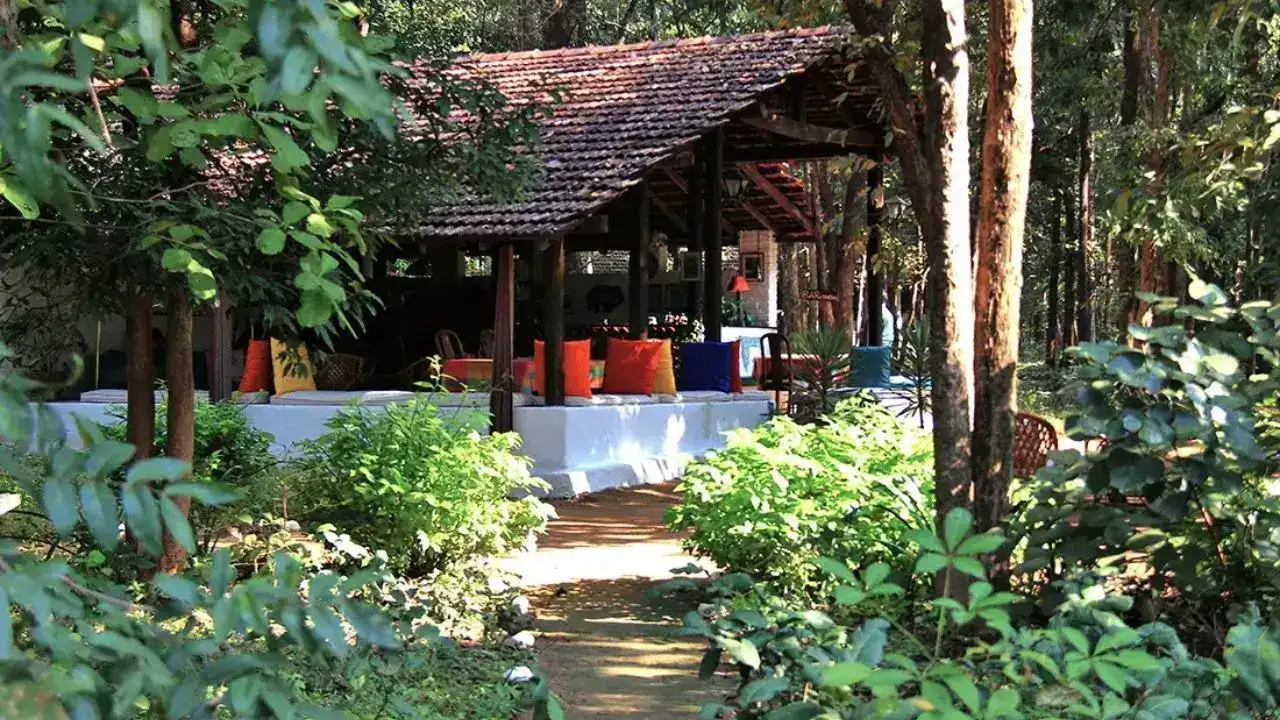
Tucked within the Maikal hills, Kipling Camp is a pioneer among Kanha’s lodges. Established in 1982 by Belinda Wright, founder of the Wildlife Protection Society of India, the camp’s footprint is intentionally minimal; less than 10% of the land is developed, while 15 acres are dedicated as an undisturbed sanctuary. Local architectural styles define the buildings, seamlessly connected by natural pathways. The staff is predominantly local, and the camp actively supports the community through medical aid and school supplies. Their commitment extends to the Baiga tribals and Gond artists, ensuring that local culture thrives alongside conservation efforts.
Svasara Jungle Lodge, Tadoba Tiger Reserve, Maharashtra
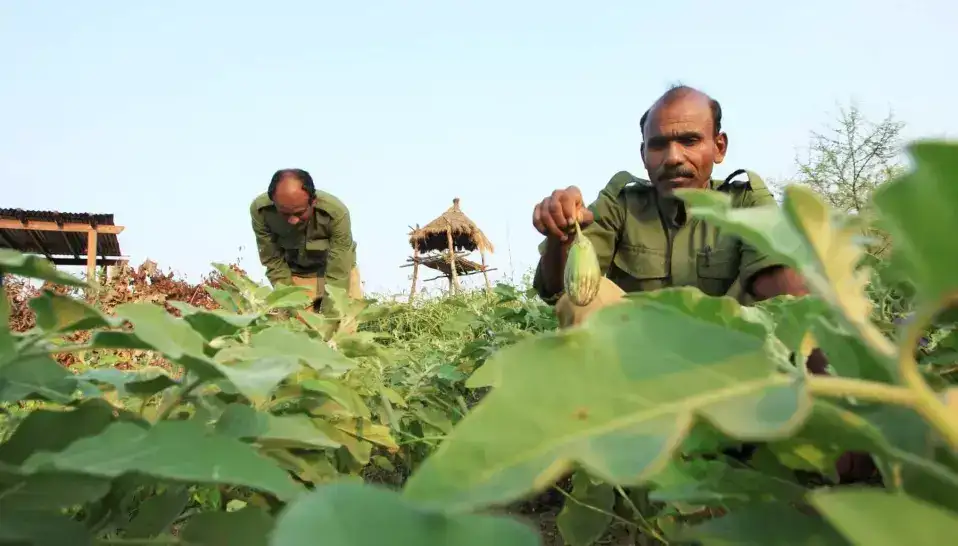
Located on the fringes of Tadoba with Kolara Gate practically next door, Svasara Jungle Lodge balances luxury with a rugged soul. Built on 10 acres of restored forest, the lodge features 12 furnished suites infused with local artistry. Beyond thrilling wildlife safaris guided by naturalists, Svasara’s commitment to the community is reflected in its local hiring practices and support for regional conservation initiatives, ensuring every stay is both meaningful and responsible.
The Kumaon, Binsar, Uttarakhand
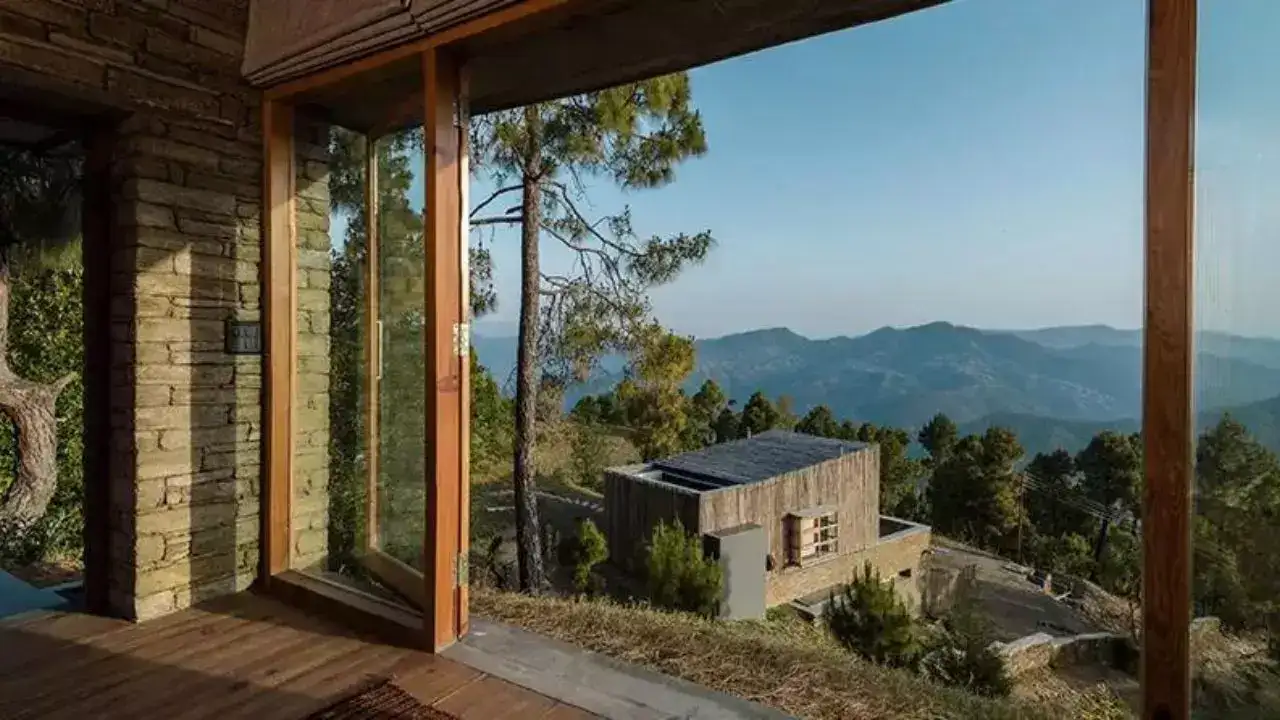
Nestled in the Binsar hills, The Kumaon embodies sustainability in every detail. Local stone, reminiscent of Kumaoni village homes, forms the base of the lower suites, while upper terrace chalets showcase a unique blend of fly-ash bricks, bamboo, and copper. The property is designed to maximize natural light and ventilation, minimizing energy use. From stargazing to exploring ancient temples, the experiences here allow you to immerse yourself in the region’s wonders while leaving a minimal environmental impact. Even the dining features local cuisine, drastically reducing the carbon footprint of your plate.
Evolve Back, Coorg, Karnataka
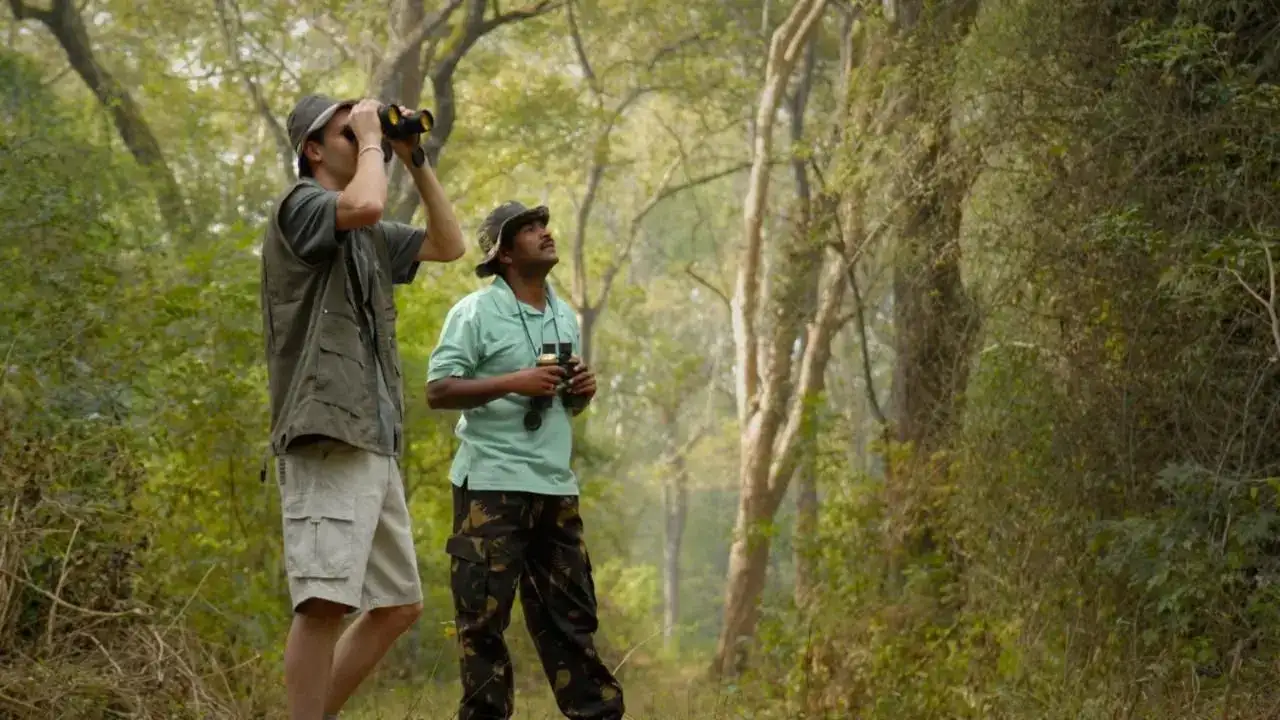
Tucked away in the coffee-scented hills of Coorg, Evolve Back is a masterclass in blending with the environment. Built using local materials and traditional Kodava architecture, the resort feels like a natural extension of the landscape. Beyond stunning villas and lakes, Evolve Back runs community education programs, supports local farmers, and maintains private nature reserves, proving that “spirit of the land” is more than just a tagline.
Samode Safari Lodge, Bandhavgarh National Park, Madhya Pradesh
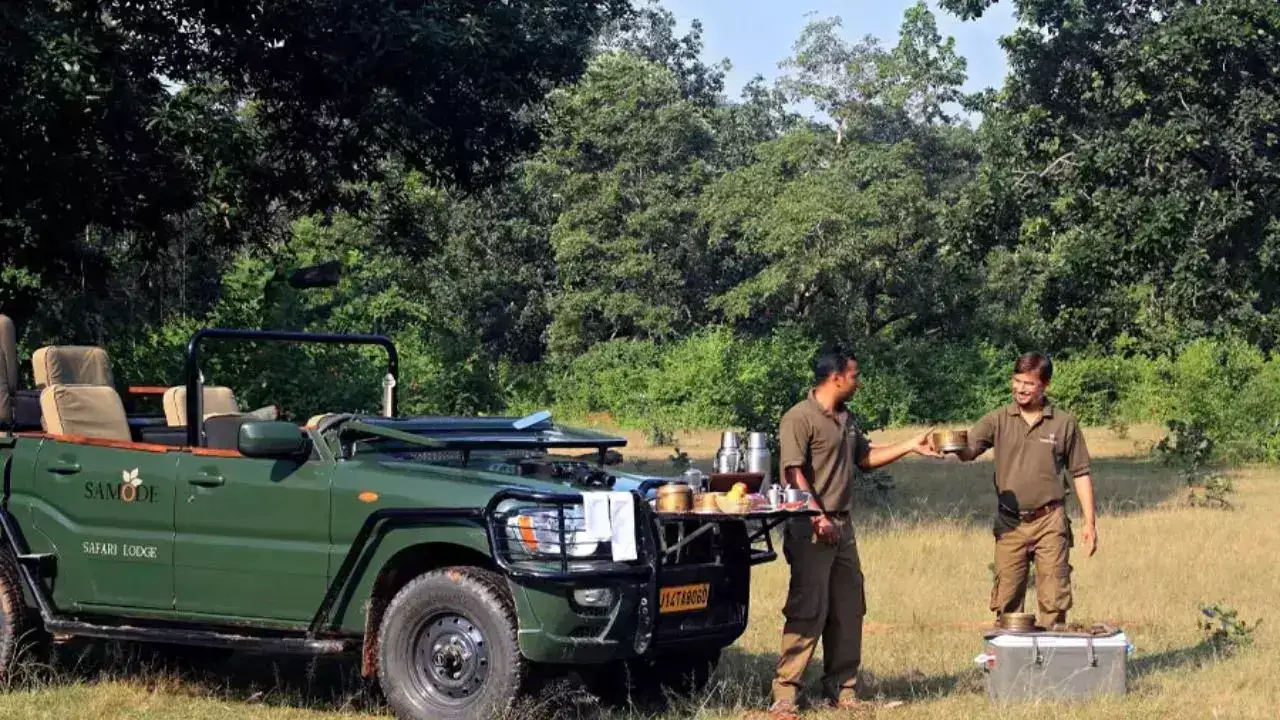
Located in Bandhavgarh forest’s buffer zone, Samode Safari Lodge offers an exclusive experience away from the core tourist hub. With twelve artistically designed villas, the lodge occupies a mere 2 acres of its expansive 30-acre property, emphasizing rewilding and cultural preservation. The architecture utilizes local materials and green energy, while the operations prioritize the employment of local communities.
The Oberoi Vanyavilas, Rajasthan
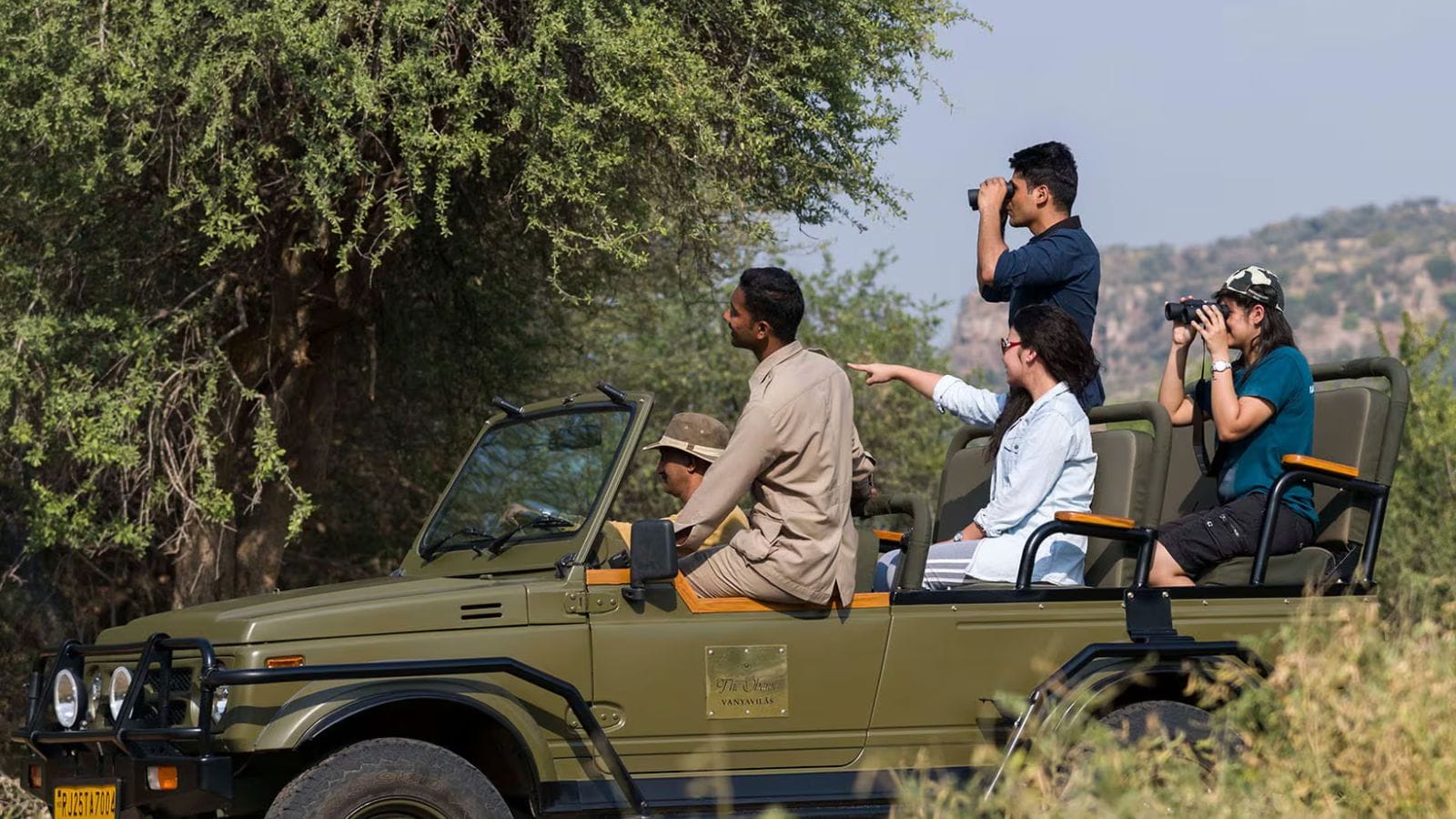
At the edge of Ranthambore, The Oberoi Vanyavilas is a wholesome mix of grand tents and wild landscapes. While the teak wood floors and private walled gardens offer peak luxury, the property “walks the talk” on Earth Day. The hotel runs entirely on solar energy, ferries guests in electric buggies, and grows its own produce. It also actively supports Tiger Watch and partners with Dhonk, a foundation that helps former poachers and local artisans build sustainable new lives.
Aahana Resort, Corbett National Park, Uttarakhand
On the northeastern boundary of Corbett lies Aahana, nestled in the lush Patlidun valley. Founded by Kamal Tripathi—descended from a family of freedom fighters—the resort treats tourism as a tool for giving back. The property features an organic farm for farm-to-fork dining, and over 95% of the staff comes from neighboring villages. It’s a nifty package of Victorian-inspired luxury and deep-rooted community initiatives.
Dolkhar, Ladakh
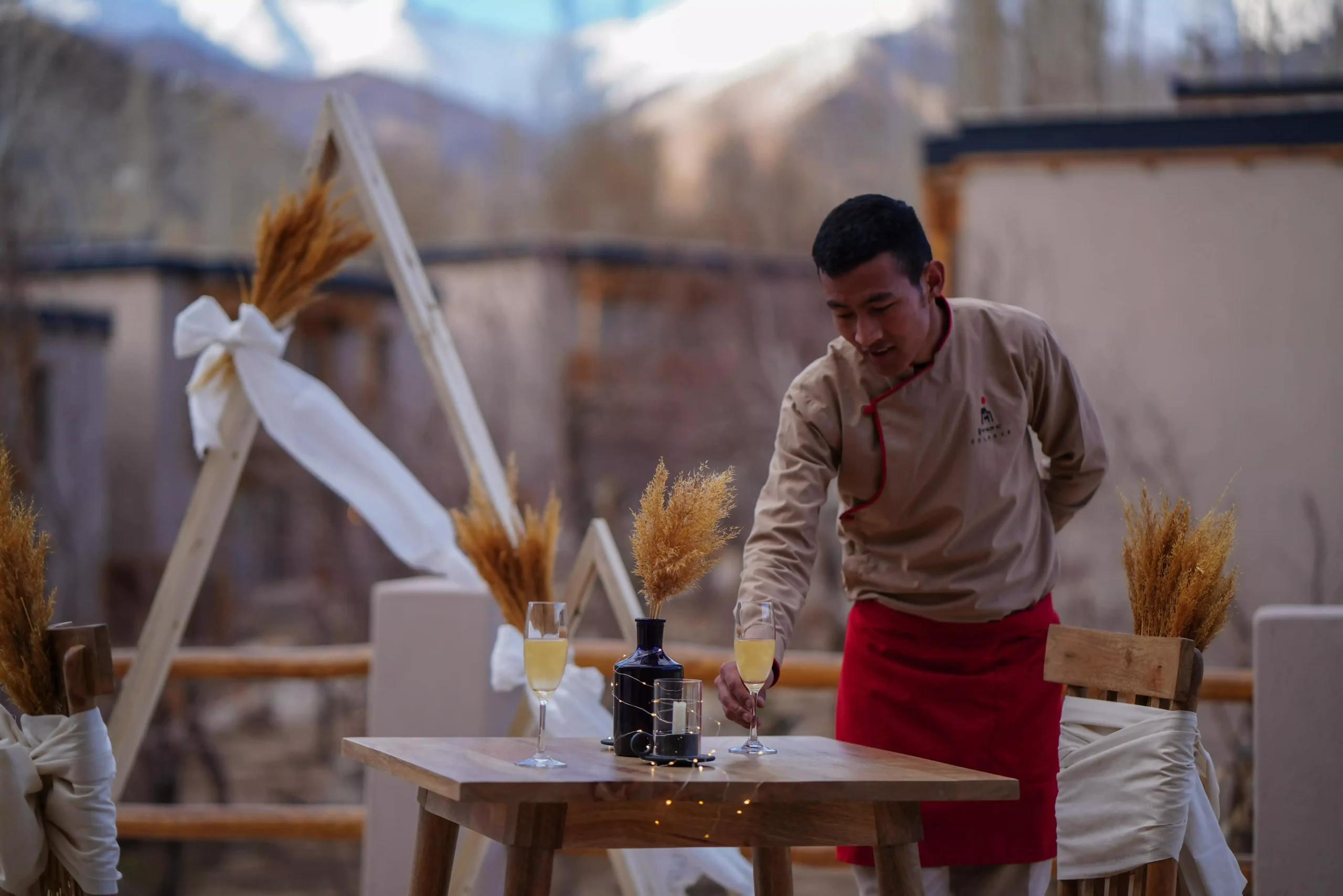
Built by and for people who view sustainability as an integral part of travel, Dolkhar is the brainchild of Rigzin Wangmo Lachic. This boutique property is deeply rooted in Ladakhi life, with seven villas built by local artisans using indigenous materials. From the plant-based menu at Tsas to the handcrafted furniture, Dolkhar offers a unique blend of tradition and modern comfort, featuring spa treatments with indigenous ingredients and culturally immersive workshops centered around wool, ceramic, and metal.
Coconut Lagoon, CGH Earth, Kumarakom, Kerala
More a living tribute to tradition than a resort, Coconut Lagoon is a sanctuary for Kerala’s heritage. In the 1990s, when land reforms led to the abandonment of heritage homes, CGH Earth’s founder Jose Dominic rescued these centuries-old wooden structures. Built using Thachu Shastra (ancient nail-less carpentry), they were reassembled here by master craftsmen. The resort operates its own water bottling plant, uses biogas for the kitchen, and harvests every drop of rainwater, proving that the old ways are often the greenest.
SUJÁN Sher Bagh & Sujan Jawai, Rajasthan
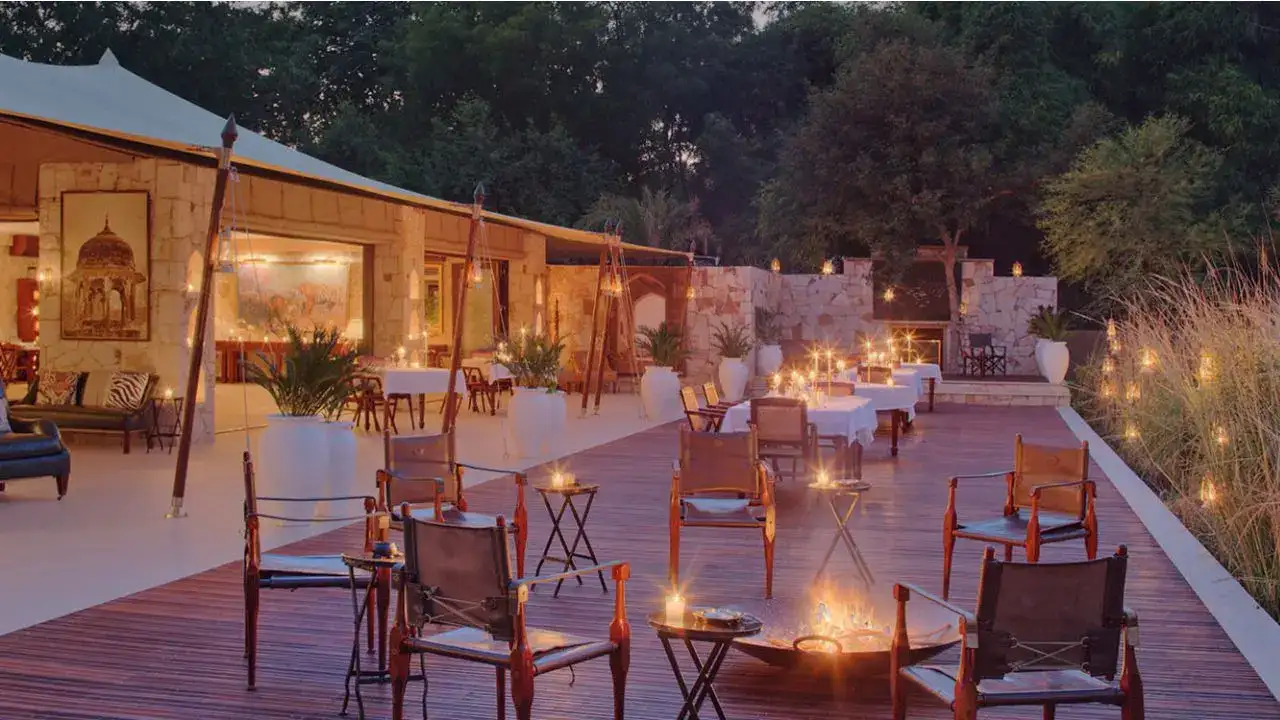
Relais & Châteaux partners SUJÁN Sher Bagh and Sujan Jawai are led by conservationists Jaisal and Anjali Singh. Every guest’s stay includes a mandatory conservation contribution that directly funds wildlife research and community development. From a strict “no plastic” policy to utilizing traditional and organic farming methods, SUJÁN demonstrates that true exclusivity lies in protecting the wilderness for future generations.