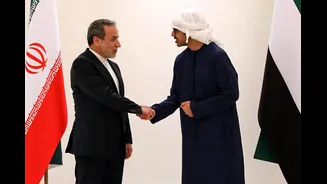








US immigration officials quietly maintained a working relationship with Iran despite tensions between the two countries, as they worked in sync to deport Iranians in 2025, newly released emails show.
According
to a report by The Intercept , hundreds of emails were exchanged between US immigration officials, which were accessed by the National Iranian American Council and made public on Tuesday, August 18.
The emails revealed how the two countries worked in cooperation to deport over 100 Iranians on three separate immigration flights in September and December 2025 as well as January 2026.
The exchanges were made even as the United States had in June 2025 launched major attacks on Iran’s key nuclear facilities: Isfahan, Natanz, and Fordow. The operation involved B-2 stealth bombers dropping heavy bunker-buster munitions on deeply buried underground sites alongside submarine-launched Tomahawk missiles.
Even after the strikes, tensions persisted between the two countries over Tehran’s nuclear programme, as officials on both sides continued to trade barbs and escalate their rhetoric.
Iranians Had Some Influence
According to The Intercept, the emails showed that Iranian officials exercised some influence over which immigrants in the United States were deported, with U.S. Immigration and Customs Enforcement (ICE) officials reportedly accommodating last-minute revisions to deportation lists at Tehran’s request.
“Per request from the Iran Embassy I added a few cases,” one unnamed ICE official wrote in late August, a month before the first deportation flight.
Just over a week later, another person with the same job title made another, unspecified change to the deportation list after they said they had met with the “Director at the Iranian Embassy.” “Iran has requested that I amend the previous manifest and expedite the removal process,” the official wrote in the email.
In a September email, just three days before the deportation flight departed from the US, an ICE official wrote that Tehran was still seeking three additional Iranians on one flight. However, it was not clear who was deported on the flight in question.
In addition, the emails suggested that Iranian officials made requests the very day a deportation flight left the US soil. However, that request was rejected, an official wrote.
US-Iran War
On February 28 this year, the US-Israel alliance launched coordinated strikes on Iran, as discussions over Tehran’s nuclear programme remained at a stalemate. The strikes killed the country’s Supreme Leader, Ali Khamenei, and triggered a broader conflict in West Asia.
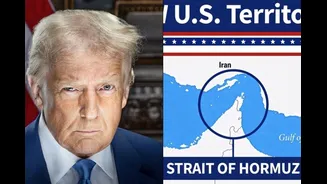
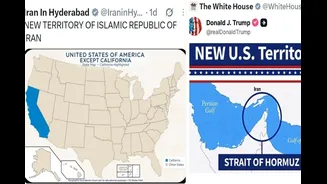
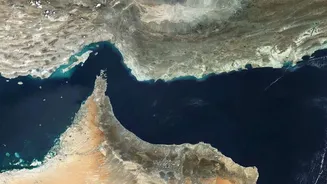
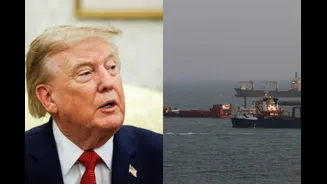
Subsequently, Iran retaliated by launching strikes across the Gulf and blocking the crucial Strait of Hormuz that accounts for nearly one-fifth of the global oil and gas trade.
Recently, a 60-day Memorandum of Understanding –– signed between US and Iran in June –– expired, with US President Donald Trump announcing that no talks were undergoing with Tehran. He also stepped up rhetoric against Tehran, issuing stern warning over the reopening of the Strait.