





Bathtime routines are special moments for both parents and babies. However, they are not just about cleaning the baby. It is important for parents to understand baby skin science, the role cleansers play,
and how choosing the right cleanser can help them make informed decisions for their little one.
“A baby’s skin is extremely delicate and requires specialised care, especially during the early stages of life,” says Dr Dilip Tripathi, Regional Head, Baby & Women’s Health Research & Development, Kenvue.
.
Why Baby’s Skin Needs Extra Care
A baby’s skin is one of the most delicate structures in the human body. It is thinner, more permeable, and loses moisture up to twice as fast as adult skin, making it naturally more vulnerable to dryness and irritation.
“During the first year, the skin barrier is still developing. Even small environmental changes, such as temperature fluctuations, humidity, or exposure to harsh products, can cause dryness, redness, rashes, or discomfort,” explains Dr. Tripathi.
Caring for baby skin during this stage is not only about cleansing but also about protecting its natural balance and supporting its development.
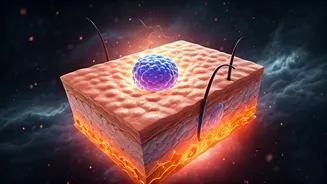
Although newborn and infant skin performs the same protective function as adult skin, it does so less efficiently. The stratum corneum, the outermost layer of the skin, contains fewer lipids and natural moisturising factors. As a result, infant skin loses moisture more quickly, is more sensitive to soaps, and takes longer to recover from irritation.
It is also important to understand the role of skin pH.
“The skin’s pH indicates how acidic or alkaline its surface is. Healthy baby skin maintains a slightly acidic pH, forming what is known as the acid mantle,” says Dr. Tripathi. “This protective layer helps defend against harmful bacteria, supports healthy microflora, and prevents moisture loss.”
When this balance is disrupted, it can weaken the skin barrier and increase transepidermal water loss (TEWL), a major cause of dryness and irritation.
According to the Indian Academy of Paediatrics (IAP), establishing a healthy skin barrier early in life is essential for preventing conditions such as eczema and diaper dermatitis.
Rising Incidence of Sensitive Skin in Children in India
In recent years, there has been a noticeable increase in sensitive skin conditions among infants and children.
“Reports from the Indian Academy of Pediatrics show that cases of atopic dermatitis and other sensitive skin conditions are rising,” says Dr. Tripathi.
Factors such as urban pollution, fluctuating humidity, over-cleansing, and the use of harsh detergents can worsen the problem.
The Role of Gentle Cleansing and Barrier Support
Given India’s hot and humid climate, cleansing plays an important role in managing a baby’s sensitive skin. However, not all cleansers are suitable.
“It is important to choose cleansers that are gentle, pH-balanced, and dermatologically tested, as these help protect the skin barrier while cleansing effectively,” Dr. Tripathi explains.
An ideal baby cleanser should be mild, soap-free, and either fragrance-free or lightly fragranced. It should not irritate the skin or eyes and should support the skin’s natural barrier.
“For babies with sensitive skin conditions such as atopic dermatitis, eczema, ichthyosis, or psoriasis, soap-free liquid cleansers or cleansing bars are recommended because they help maintain the skin barrier and reduce irritation,” he adds.
Cleansing products enriched with colloidal oatmeal are especially beneficial.
“Colloidal oatmeal is recognised as a skin protectant and is known for its soothing and anti-inflammatory properties,” says Dr. Tripathi. “Components such as beta-glucans and avenanthramides help calm itching, reduce irritation, and strengthen the skin barrier.”
In India, dermatologists and paediatricians are increasingly recommending soap-free cleansing bars for babies with delicate and sensitive skin.
“These formulations are typically soap-free, sulphate-free, and pH-balanced at around 5.5, using gentle surfactants derived from natural sources such as coconut or corn,” explains Dr. Tripathi. “Clinical evidence shows they provide effective cleansing while reducing dryness and supporting barrier function.”
Unlike conventional soaps, which are often alkaline and may disrupt the skin’s acid mantle, soap-free cleansers are milder and more suitable for sensitive baby skin.
This is further supported by Indian Pediatrics, which recommends non-alkaline, pH-balanced cleansers to help reduce dryness, restore microbiome balance, and support barrier recovery.
“These specialised cleansers are designed to protect the skin’s natural chemistry, which is particularly important in babies with sensitive skin,” Dr. Tripathi adds.
Practical Advice for Parents
Dr. Tripathi shares some essential tips for protecting baby skin:
Avoid alkaline soaps:
“High-pH soaps can damage the acid mantle and cause dryness or irritation.”
Choose pH-balanced cleansers (around 5.5):
“A mildly acidic cleanser helps maintain moisture and supports healthy skin function.”
Opt for sulphate-free formulations:
“Sulphates can be harsh on a baby’s developing skin and may lead to dryness.”
Look for barrier-supporting ingredients:
“Ingredients like colloidal oatmeal, glycerin, and shea butter help soothe and hydrate the skin.”
Limit bath time:
“Keep baths short, ideally under 10 minutes, and use lukewarm water.”
Moisturise immediately after bathing:
“Applying a moisturiser right after bathing helps lock in hydration and protect the skin barrier.”
Building the Foundation for Healthy Skin
When it comes to baby skincare, cleansing plays a critical role.
“A gentle, soap-free, pH-balanced cleanser is not just about hygiene, it is essential for protecting baby skin from dryness and irritation,” says Dr. Tripathi.
By choosing the right cleansers that support the skin’s natural barrier and pH balance, parents can help ensure their baby’s skin remains healthy, soft, and resilient.
“The right skincare routine in early life helps build the foundation for lifelong healthy skin,” he concludes.