



Few foods carry the health halo quite like a salad. It signals discipline, lightness and clean eating – the default order for anyone trying to lose weight or eat better. But beneath the greens and vibrant
toppings, many modern salad bowls quietly rival fast food in calories, sodium and nutritional imbalance. What looks wholesome on the surface can sometimes do the opposite of what it promises.
What Experts Want You To Know
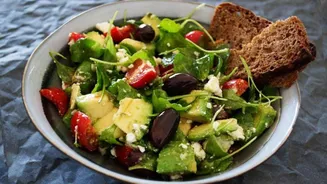
“The term ‘salad’ does not guarantee complete nutrition,” says Veena V, Chief Clinical Dietitian and Head of Clinical Nutrition and Dietetics at Aster Whitefield Hospital, Bengaluru. She explains that the base of leafy greens is rarely the issue, but it’s what gets added on top. Creamy dressings, candied nuts, croutons, processed meats and excess cheese can quickly turn a healthy bowl into a calorie-dense meal.
Just two tablespoons of certain dressings, she notes, can add 150–200 calories from refined oils and hidden sugars. Sodium also spikes easily when olives, pickles and packaged toppings are included.
Echoing this, Sandhya Singh, Head and Chief Clinical Dietitian at Apollo Hospitals Bannerghatta Road, Bengaluru, cautions against treating salads as a complete meal. “Each food group plays an essential role in maintaining overall health. Depending on a single food group can create multiple nutrient gaps,” she says.
The Hidden Calorie Trap
Portion size is another overlooked factor. Large healthy bowls stacked with cheese, seeds, sauces and fried toppings can match, or exceed, the energy content of a burger and fries. The perception of eating light often leads to mindless additions.
Protein is frequently missing, too. Without adequate protein, Veena explains, blood sugar can fluctuate rapidly, especially when sweetened dried fruits or high-glycaemic toppings are involved. Repeated spikes may increase insulin resistance over time, raising the risk of metabolic disorders like Type 2 diabetes.
When Raw Isn’t Always Better
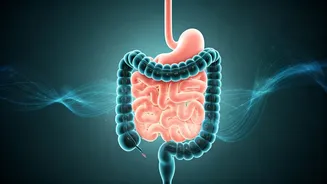
Salads are often synonymous with raw vegetables, but that may not suit everyone’s digestion. Dr. Singh points out that raw, fermentable carbohydrates – naturally found in onions, garlic, beans and some cruciferous vegetables – can cause gas, bloating and discomfort. “These fibres are poorly absorbed in some individuals and get fermented by gut bacteria, producing gas,” she explains.
Sudden increases in fibre intake can also overwhelm the gut. “Fibre has to be increased gradually,” she advises, allowing the microbiome time to adapt. Without balance, excessive raw salads may worsen symptoms for those prone to IBS or small intestinal bacterial overgrowth.
The Nutrient Gap Problem
Relying exclusively on salads can unintentionally reduce overall calorie and protein intake. Over time, this may contribute to muscle loss, low immunity, fatigue and even undernutrition.
“Raw vegetables consumed with very low carbohydrate and low-protein intake increase the risk of under-nutrition,” Dr. Singh says. A balanced plate, she stresses, should include adequate energy, protein and healthy fats alongside vegetables.
There’s also a practical concern: pesticide residues. Both experts highlight the importance of thoroughly washing leafy greens and sourcing produce carefully.
Building A Smarter Bowl
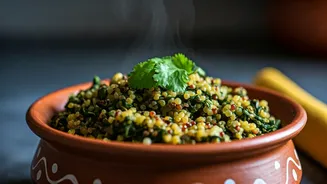
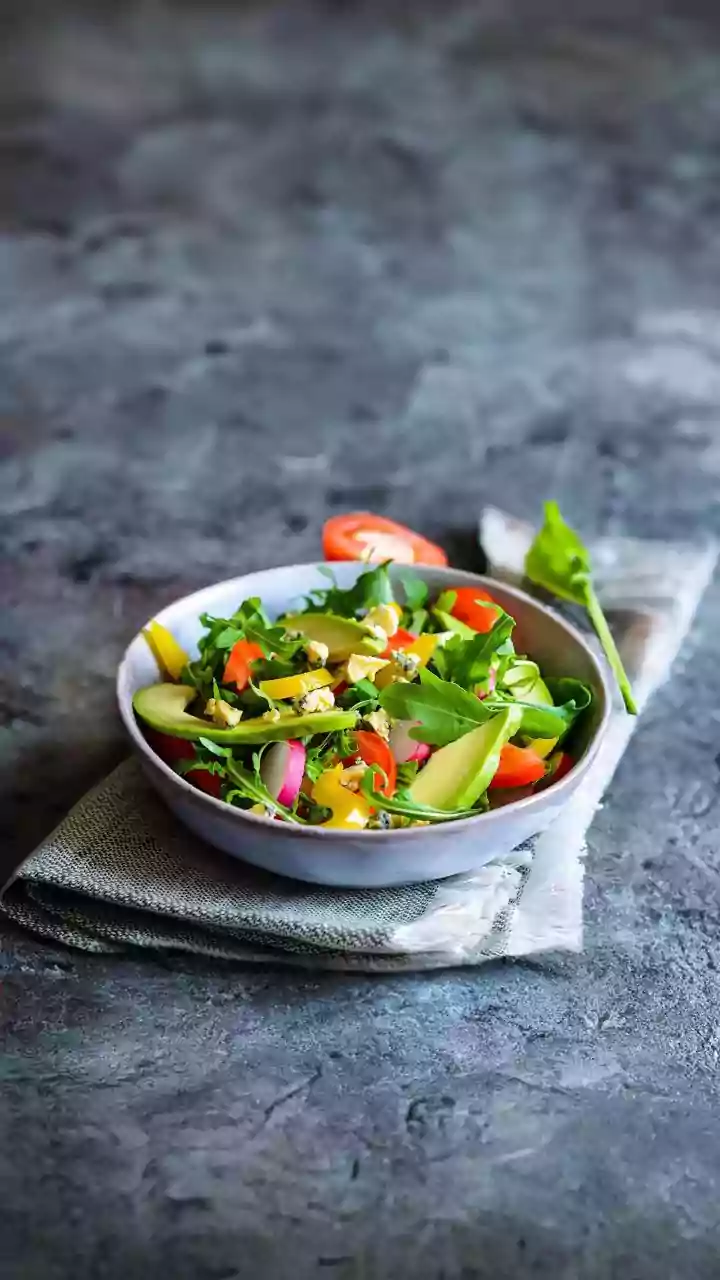
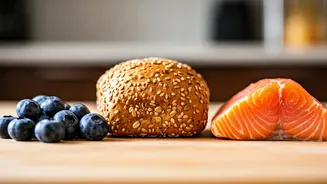
So what makes a salad truly healthy? The answer lies in balance. Start with fibre-rich vegetables, add a clean protein source like legumes, eggs or grilled lean meats, include healthy fats such as nuts or olive oil in moderation, and keep processed toppings minimal. Ultimately, a salad’s value comes from its composition, not its label.
Healthy eating isn’t about chasing trends or assuming certain foods are automatically virtuous. It’s about thoughtful combinations that support digestion, metabolism and overall wellbeing. When built intentionally, a salad can nourish the body. When overloaded or unbalanced, it can quietly sabotage itself.