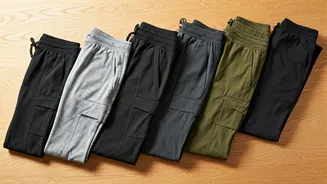








A friend of mine recently eyed my brand-new, Instagram-worthy leggings with something approaching pity. “You actually wear those?” she asked, as if I’d just slipped into a hazmat suit made of bin liners.
Her objection wasn’t the price or the inevitable sweat marks. It was the chemicals. “All that plastic and PFAS nonsense,” she said, wrinkling her nose. “You’re basically marinating in forever chemicals while you’re pretending to enjoy burpees.”
I laughed it off at the time and carried on wearing them. They were sleek, flattering, a little over-budget, and made me look like I was in for a serious workout even if I was only there for a half-hearted legs session. It was only later, peeling them off after a particularly sweaty class and noticing how they clung to my skin like a second, slightly toxic layer, that I started to wonder if she had a point.
My friend’s scepticism, it turns out, is increasingly shared by scientists, doctors and even policy makers. In April, Texas Attorney General Ken Paxton launched an investigation into popular athleisure wear brand Lululemon over the potential presence of PFAS in its clothing, questioning whether the brand’s wellness-focused marketing matches the reality of its supply chain.
Lululemon has stated it phased out PFAS from most products by early 2024 and complies with safety standards, but the probe has only heightened growing consumer and regulatory unease.
Recent concerns raised by experts and researchers suggest that many popular synthetic workout clothes – packed with polyester, nylon, spandex and chemical finishes – may be leaching microplastics and toxic substances directly onto your skin, especially when you’re hot, sweaty and moving intensely.
The Hidden Plastic Problem in Gym Wear
Most performance activewear is made from plastic-based fibres, particularly chosen for their stretch, quick-drying properties and durability, but they come at a cost. A University of Birmingham study highlighted how the natural oils in our sweat can act as solvents, helping to release chemicals from microplastic fibres in the fabric. As you power through a HIIT session or hold a downward dog, friction, heat and perspiration create ideal conditions for these substances to migrate onto and potentially into your body.
Among the most worrying are PFAS, per and polyfluoroalkyl substances, often dubbed “forever chemicals” because they don’t break down easily in the environment or the body. These are used for water-repellent, stain-resistant and moisture-wicking properties.
Independent tests have also flagged fluorine (an indicator of PFAS) in leggings and yoga pants from various popular brands. Other additives, such as BPA (bisphenol A), used for elasticity and colour retention, have been found at levels far exceeding safe limits in some sportswear.
What the Science Says About The Risks In Gym Wear
Experts in environmental health and toxicology acknowledge that the picture isn’t entirely clear-cut. While there’s no immediate need to panic or bin your entire wardrobe if you’re not experiencing symptoms, the cumulative exposure is concerning particularly for regular gym-goers.
PFAS have been linked to kidney and testicular cancers, hormone disruption, low birth weight, immune suppression and thyroid dysfunction. Microplastics are turning up in human blood, lungs, placentas and even the brain.
During workouts, open pores, elevated body temperature and prolonged skin contact may heighten absorption. Endocrine-disrupting chemicals can interfere with metabolism, fertility and energy regulation – somewhat ironic when you’re exercising to stay healthy.
Skin issues are another red flag. Tight synthetic layers can trap moisture and chemicals, leading to irritation, rashes or worsened conditions like eczema in sensitive individuals.
What Can You Do? Smarter Choices for Your Sweat Sessions
The good news is that you don’t have to sacrifice style or function entirely. Here are practical steps:
Opt for natural fibres — Look for organic cotton, bamboo, merino wool or hemp blends for lower chemical load and better breathability. Brands focusing on “non-toxic” or PFAS-free activewear are increasingly available, though they may cost more and dry more slowly.
Check labels and certifications — Seek OEKO-TEX, GOTS or bluesign standards, which limit harmful substances. Avoid vague “performance” claims without transparency.
Wash wisely — Wash new garments before first wear to remove excess finishes. Use a microfibre-catching laundry bag or filter to reduce environmental shedding, and wash less frequently – air them out instead.
Layer and alternate — Mix synthetic pieces with naturals and give your skin breaks from tight synthetics.
Support regulation — With bans on intentionally added PFAS in apparel already in places like California and New York, consumer pressure is pushing the industry towards safer alternatives.
Your gym routine is an investment in long-term wellbeing. The next time you reach for those picture-perfect leggings, pause and consider what’s really next to your skin. A shift towards cleaner activewear isn’t just about avoiding toxins it’s about aligning your health goals with truly healthy choices. Your body and the planet will thank you.