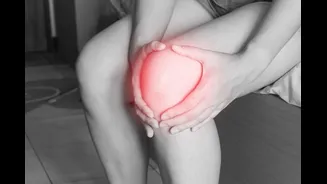







Knee pain is a common problem affecting people of all ages, especially older adults, who commonly attribute this to arthritis. However, not all knee pain is arthritis. One common condition that often mimics
the early arthritis symptoms, such as difficulty in bending the knee, stiffness in joints, sharp pain, and swelling, is a meniscus tear. It is a type of cartilage injury in the knee that may be mistaken for arthritis due to the same patterns and stiffness. Dr Ashutosh Jha, Consultant – Orthopaedics, Manipal Hospital, Ghaziabad, explains that understanding the difference is necessary for timely and proper treatment.
Understanding the Meniscus Tear
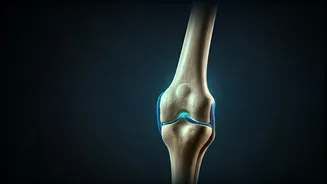
Each knee contains two C-shaped cartilages that act as a cushion between the tibia and the femur; this cartilage is known as the meniscus. A meniscus tear usually happens due to sudden twisting or rotation of the knee, strong trauma, and with age, this cartilage becomes weak or gets damaged. Additionally, cartilage deterioration due to arthritis can lead to a meniscus tear without direct injury to the knee.
Difference between arthritis and a meniscus tear
Both of these diseases cause pain, stiffness, swelling, and a decrease in the range of motion. In early stages, arthritis may not show obvious changes; however, a degenerative meniscus tear can occur quietly. This overlap of symptoms leads patients to get confused with arthritis:
• Knee osteoarthritis is a chronic disease, caused by the gradual erosion of cartilage over time or through some injuries and excessive pressure. Meanwhile, a meniscus tear occurs as a result of sudden twisting or rotation of the knee.
• Friction or grinding sound when using the joint is a characteristic symptom of arthritis, while feeling knee instability or a sense of being stuck are characteristic symptoms of a meniscus tear.
• Arthritis often affects people over the age of 50 and, meniscus tear can happen to people of all age groups especially, to the athletes because of acute injuries.
Early diagnosis is necessary
Consulting the specialist on time would help in early diagnosis and treatment. Treating a meniscus tear as arthritis may delay the recovery, moreover, it can lead to unnecessary long-term medication, which can be avoided with accurate identification of the problem. The diagnostic approach differs for each disease. Arthritis is initially diagnosed by a physical examination of the knee, followed by some imaging test such as magnetic resonance imaging (MRI) or computerized tomography (CT). For meniscus tears, a range of motion test, such as the McMurray test or Thessaly test, has to be done along with an MRI for confirmation.
Treatment for Meniscus Tear
Treatment depends on various factors such as the size and location of the tear, the patient’s age, and activity level. Both the non-surgical and surgical treatments for it are available. PRP injections to support tissue healing and the RICE Protocol, which stands for rest, ice application, compression and elevation, are among the most prescribed medications.
Besides this, physiotherapy plays a vital role in strengthening the muscles and improving stability. Even after conservative care, if the symptoms persist, then therapies like partial meniscectomy or meniscus repair can be considered. Knee pain is a symptom rather than a diagnosis. While arthritis is a common cause known by all, conditions like meniscus tears that mimic its symptoms get overlooked and often get misdiagnosed.