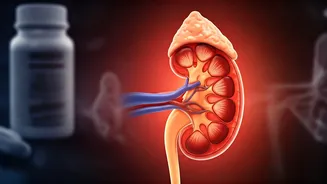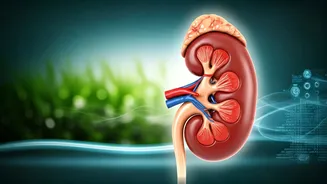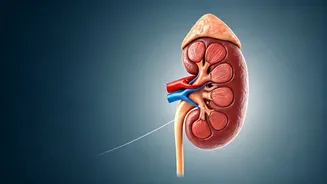






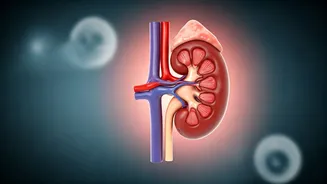
Healthy kidneys are the pillars of an individual’s overall wellbeing. They filter waste products from the blood, regulate fluid levels, maintain electrolyte balance, and help control blood pressure. Unfortunately,
in most cases kidney disease develops without noticeable symptoms, and patients often reach experts only after significant damage has occurred.
Dr Jatin Kothari, Principal Director, Nephrology & Chief Consultant, Renal Transplant Medicine, Nanavati Max Super Speciality Hospital, Mumbai, shares these few simple lifestyle measures to protect the kidneys and prevent long-term complications.
Stay Well Hydrated
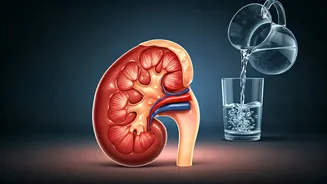
Drinking adequate water throughout the day helps the kidneys remove waste products and toxins through urine. Proper hydration also dilutes heavy minerals that may otherwise crystallise and develop into painful kidney stones. Most healthy adults should aim for about 2–2.5 litres of water daily, although individual needs may vary depending on climate, activity level, and medical conditions. It is better to sip water regularly through the day rather than consuming large amounts at once.
Control Blood Pressure
High blood pressure is one of the most common causes of kidney damage. Over time, elevated pressure can severely damage the tiny blood vessels in the kidneys that filter waste from the blood. Because hypertension is often picked up at later or more advanced stages, regular monitoring is a must. Maintaining blood pressure around 130/80 mmHg or lower, as advised by your doctor, can help reduce the risk of kidney disease and also protect the heart.
Keep Blood Sugar Under Control
Diabetes is the leading cause of chronic kidney disease globally. Persistently high blood sugar levels can damage the delicate filtering units of the kidneys, eventually leading to diabetic kidney disease. People living with diabetes should monitor their blood sugar regularly, follow medical advice on diet and medication, and undergo periodic kidney function tests to detect early signs of damage.
Reduce Salt Intake
Excess salt consumption increases blood pressure and forces the kidneys to work harder to maintain fluid balance. Reducing salt intake to less than 5 grams per day is recommended for overall cardiovascular and kidney health. It is also important to avoid salt substitutes, especially those containing potassium, as they may be harmful for individuals with kidney problems or those taking certain medications.
Avoid Excess Painkillers
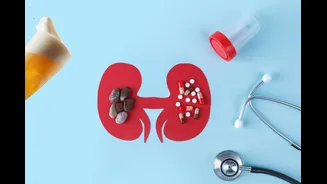
Frequent or long-term use of painkillers, particularly non-steroidal anti-inflammatory drugs (NSAIDs), can reduce blood flow to the kidneys and gradually damage kidney tissue. While occasional use under medical guidance may be safe, self-medicating regularly for headaches, joint pain, or body aches should be avoided. Always consult a healthcare professional before prolonged use of such medications.
Maintain a Healthy Weight
Excess body weight increases the risk of developing diabetes, hypertension, and metabolic disorders, all of which place additional strain on the kidneys. Maintaining a healthy weight through balanced nutrition and an active lifestyle can significantly lower the likelihood of kidney disease while also improving overall metabolic health.
Exercise Regularly
Regular physical activity improves blood circulation, helps regulate blood pressure and blood sugar levels, and supports weight management. Engaging in 30–45 minutes of moderate exercise at least 4–5 days a week, such as brisk walking, cycling, or swimming, can contribute significantly to long-term kidney health.
Be Careful with Supplements and Herbal Medicines
Many over-the-counter supplements and herbal remedies are not strictly regulated and may contain substances harmful to the kidneys. Some herbal products may even interact with prescription medications. It is important to inform your doctor about any supplements you plan to take, particularly if you have underlying health conditions.
Avoid Smoking and Limit Alcohol
Smoking reduces blood flow to the kidneys and accelerates damage to kidney tissue. It also increases the risk of high blood pressure and cardiovascular disease. Limiting alcohol intake and avoiding tobacco products altogether can help protect kidney function and improve overall health.
Get Regular Kidney Check-ups
Kidney disease often develops silently without obvious symptoms in the early stages. Regular screening tests can detect problems before they become severe. Important tests include serum creatinine, urine protein, and blood pressure monitoring. Individuals with diabetes, hypertension, or a family history of kidney disease should be particularly vigilant about periodic kidney health assessments.