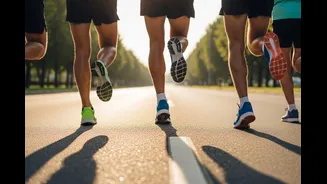









Once seen as a solitary pursuit, running is increasingly becoming a shared experience. Across cities, parks, and neighbourhood tracks, running clubs are emerging as powerful drivers of everyday wellness
– blending movement, motivation, and meaningful social connection. In a time marked by sedentary routines, digital fatigue, and rising lifestyle disorders, community-led fitness is offering something refreshingly human: consistency, camaraderie, and care. This shift isn’t just changing how people exercise; it’s reshaping how they sustain health over the long term.
Why Community Movement Works
From a clinical standpoint, the appeal of running clubs lies in their structure. “Community running provides structure and consistency, two elements often missing from individual fitness routines,” says Dr Nithya Gopinath Menon, Consultant Physiotherapist at Dr L H Hiranandani Hospital, Powai, Mumbai. Fixed schedules and shared pacing help participants stay committed while reducing the risk of overtraining – a common pitfall among solo runners.
She adds that collective warm-ups and cooldowns encourage safer movement patterns, leading to better physical outcomes. “Shared pacing and collective warm-up practices contribute to safer movement patterns and better physical outcomes,” she notes, highlighting how group dynamics naturally promote mindful training rather than competitive burnout.
Ashna Jha, a 23-year-old fitness enthusiast and marketing professional from Delhi, echoes this sentiment. She says, “Being part of run clubs helps me stay committed to my fitness goals. It encourages me to come out of my comfort zone on lazy days and be a part of the community.”
Injury Prevention Meets Preventive Care
One of the most encouraging trends within running communities is their growing focus on injury prevention. According to Dr Menon, many clubs now integrate mobility drills, stretching routines, and recovery sessions into their training schedules. “This approach helps lower the risk of common musculoskeletal issues such as knee pain, shin splints, ankle strain, and lower back discomfort,” she explains.
From a healthcare lens, this emphasis aligns closely with preventive medicine. By prioritising correct movement and gradual progression, community-led training reduces the likelihood of injuries that often lead to long-term rehabilitation or inactivity.
The Power Of Social Fitness
While the physical benefits of running are well known, experts agree that the social aspect may be just as transformative. “Running clubs play a powerful role in improving overall health because they address two of the most important pillars of well-being: physical activity and social connection,” says Dr Aashish Contractor, Director of Rehabilitation & Sports Medicine at Sir H. N. Reliance Foundation Hospital, Mumbai.
He describes exercise as a form of universal medicine – effective, accessible, and preventive. Yet what elevates running clubs is the human connection they foster. “Human beings are inherently social, and research consistently shows that strong social networks are closely linked to better health outcomes,” he says.
The conversations before and after runs, shared milestones, and even light-hearted banter help transform exercise from a chore into a habit people look forward to. This social accountability, Dr Contractor notes, significantly improves long-term adherence – often the biggest challenge in maintaining an active lifestyle.
Inclusive, Accessible, Sustainable
Another defining feature of modern running clubs is inclusivity. “Today’s running clubs welcome individuals across age groups and fitness levels, including beginners and those returning to activity after illness or injury,” says Dr Menon. This inclusive environment removes performance pressure, encourages gradual progression, and builds confidence.
Dr Contractor echoes this sentiment, pointing out that community-led fitness models are inherently more sustainable. By combining structured exercise with emotional support, they nurture both body and mind, making wellness feel achievable rather than intimidating.
As healthcare increasingly shifts toward prevention, run clubs offer a compelling blueprint for everyday wellness. They make movement accessible, enjoyable, and socially rewarding – three ingredients essential for long-term health. By reducing injury risk, supporting mental well-being, and strengthening social bonds, community-led training is quietly redefining what it means to stay fit in modern life.
In the end, the rise of running clubs isn’t just about logging miles. It’s about building healthier routines, stronger communities, and a more sustainable relationship with movement.