





In Indian kitchens, oil is more than just a cooking medium, it is the foundation of flavour, aroma, and tradition. But with India witnessing a steady rise in heart-related concerns, many households are
taking a closer look at the type of oil they use every day. What was once chosen purely for taste or affordability is now being viewed through the lens of heart health and mindful cooking.
This shift has sparked renewed interest in traditional, minimally processed choices, particularly cold-pressed oils, an age-old practice making a meaningful comeback.
Dr Shilpa Vora, Chief R&F Officer, Marico Limited, shares what consumers should know:
Why Heart-Conscious Cooking Starts with the Right Fat
Heart health is significantly shaped by dietary patterns. Diets high in trans fats and excessive saturated fats are known contributors to an increased risk of cardiovascular issues.
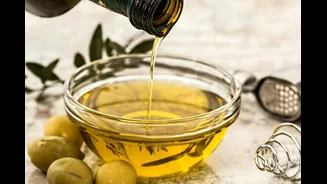
Cold-pressed oils are extracted mechanically at controlled low temperatures, allowing them to retain natural antioxidants, vitamin E, and beneficial plant compounds.
This preservation of nutrients makes cold-pressed oils a thoughtful choice for people seeking to improve fat quality rather than eliminate fats altogether.
The Fatty Acid Advantage: What Makes Cold-Pressed Oils Heart-Friendly
Heart-conscious cooking focuses on choosing the right fats in the right amounts. Cold-pressed oils offer this balance naturally:
Cold-pressed mustard oil contains plant-based omega-3 fatty acids (ALA), which play a supportive role in heart health.
Cold-pressed groundnut oil contains monounsaturated fats — the same “good fats” associated with improved lipid profiles.
Cold-pressed sesame oil contains antioxidants such as sesamol and sesamin, which help combat oxidative stress.
These properties make cold-pressed oils well suited for everyday Indian cooking — from sautéing vegetables to preparing curries, tadkas, dals, and sabzis.
A Return to Traditional Food Wisdom
Cold-pressed oils are not a recent wellness discovery. Long before industrial processing became widespread, Indian households relied on oils extracted from local “ghaanis” or wooden presses.
Different regions traditionally used oils aligned with their climate and crops:
Mustard oil across northern and eastern India
Groundnut oil in western states
Coconut oil along coastal belts
Modern nutrition science increasingly echoes what Indian culinary traditions have practiced for generations: minimally processed, region-specific ingredients often align naturally with better health outcomes.
Mindful Use Matters: How to Cook Heart-Smart with Oils
Despite their benefits, all cooking oils should be used in moderation, given their high calorie content. Some practical guidelines include:
Avoid reheating or reusing oils, as this degrades their quality and may produce harmful compounds.
Practice portion control, since all oils are calorie-dense.
Pair healthy fats with whole grains, millets, pulses, fruits, and vegetables to support a balanced, heart-friendly diet.
Choose the right oil for the appropriate cooking technique to preserve both flavour and stability.
Health-focused cooking is not about relying on a single ingredient for wellness. Instead, it is about building balanced meals through consistent, mindful choices.
Why Cold-Pressed Oils Suit the Modern Indian Kitchen
Choosing cold-pressed oils is, in many ways, a return to simplicity. It aligns with the growing movement toward trust in familiar, culturally rooted ingredients and conscious everyday cooking.
In many households, selecting cold-pressed oils is not just a dietary decision, it represents a small but meaningful shift toward health-conscious living.
Heart health is not shaped by one superfood or one perfect oil. Rather, it evolves through consistent, thoughtful choices made in our kitchens. Cold-pressed oils, with their natural balance and time-tested roots, offer a simple step toward cooking that supports our bodies, nourishes our families, and promotes long-term wellbeing.