






Nutrition is essential during chemotherapy as it can have an impact on appetite, digestion, metabolism, and immunity. While misconceptions about food may result in unnecessary restrictions, a healthy,
balanced neutropenic diet helps patients endure therapy, retain strength, and improve quality of life.
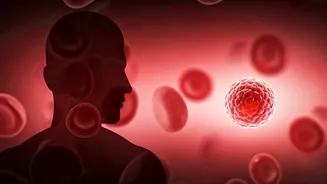
A neutropenic diet is a food safety plan for people with weakened immune systems (low neutrophils) to prevent infections by avoiding harmful bacteria in foods, focusing on thoroughly cooked items and pasteurised dairy, and avoiding raw/undercooked meats, eggs, sprouts, unpasteurised juices, and soft cheeses.
Archana S, Chief Dietitian, KIMS Hospitals (Krishna Institute of Medical Sciences), Bengaluru, says, “Loss of appetite, nausea, vomiting, altered taste, mouth ulcers, difficulty swallowing, diarrhoea, constipation, exhaustion, and unexpected weight loss are all common and adverse effects of chemotherapy. An appropriate intake of calories, protein, vitamins, minerals, and water is vital, as the illness and therapy raise the body’s energy and protein requirements for tissue repair, blood cell synthesis, and recuperation.”
Facts Regarding Nutrition During Chemotherapy
One of the most important facts is that a balanced neutropenic diet that includes enough calories, high-quality protein, vitamins and minerals can reduce problems like muscle atrophy and protect against a weakened immune system. Large meals are typically more difficult to tolerate than small, regular meals.
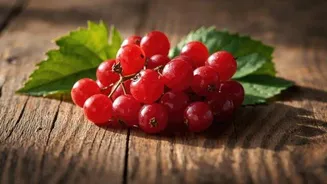
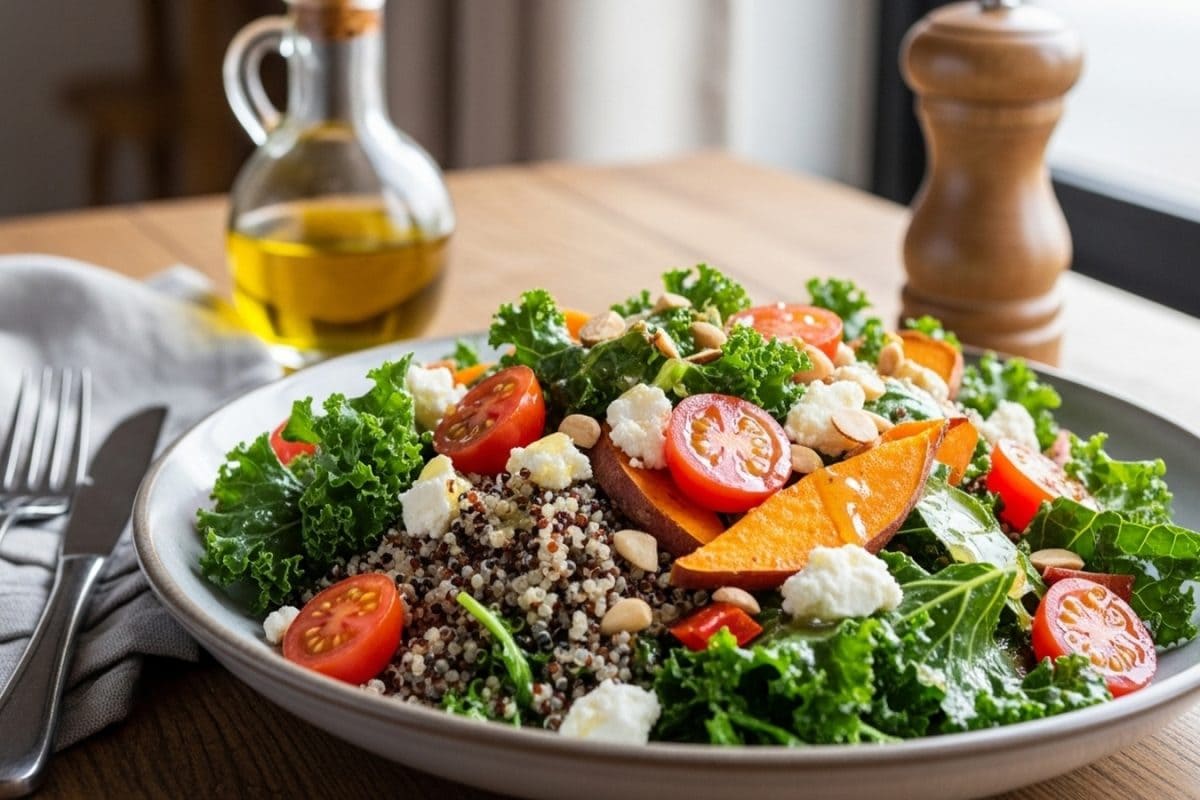
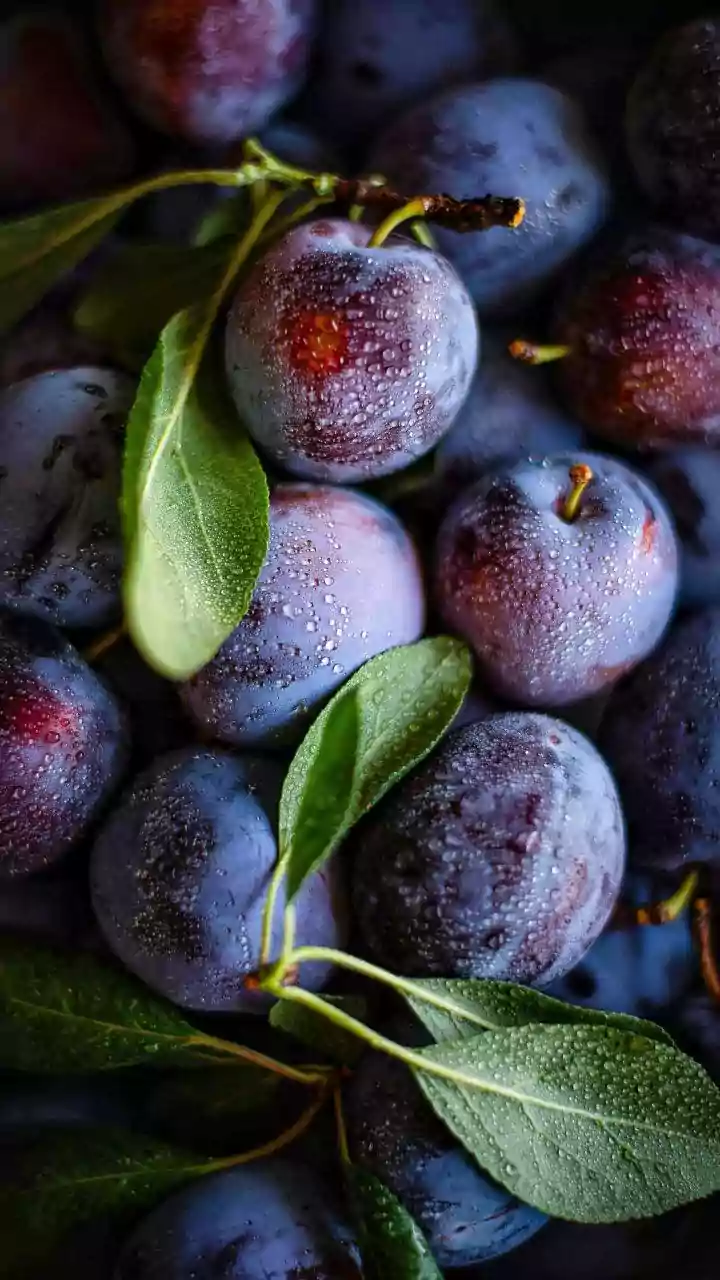
Archana S says, “Protein-rich foods, like pulses, pasteurised dairy, and well-washed/peeled fruits and veggies, eggs, fish, poultry, soy, and nuts, promote stronger immunity and faster healing, while avoiding raw eggs, sushi, and unpasteurised cheeses, reduce the risk of infections.”
Hydration is essential to maintain renal function, lessen constipation, and control fatigue. Lastly, food safety is crucial, as chemotherapy can impair the immune system. The food that is consumed should be freshly prepared.
Common Myths About Nutrition During Chemotherapy
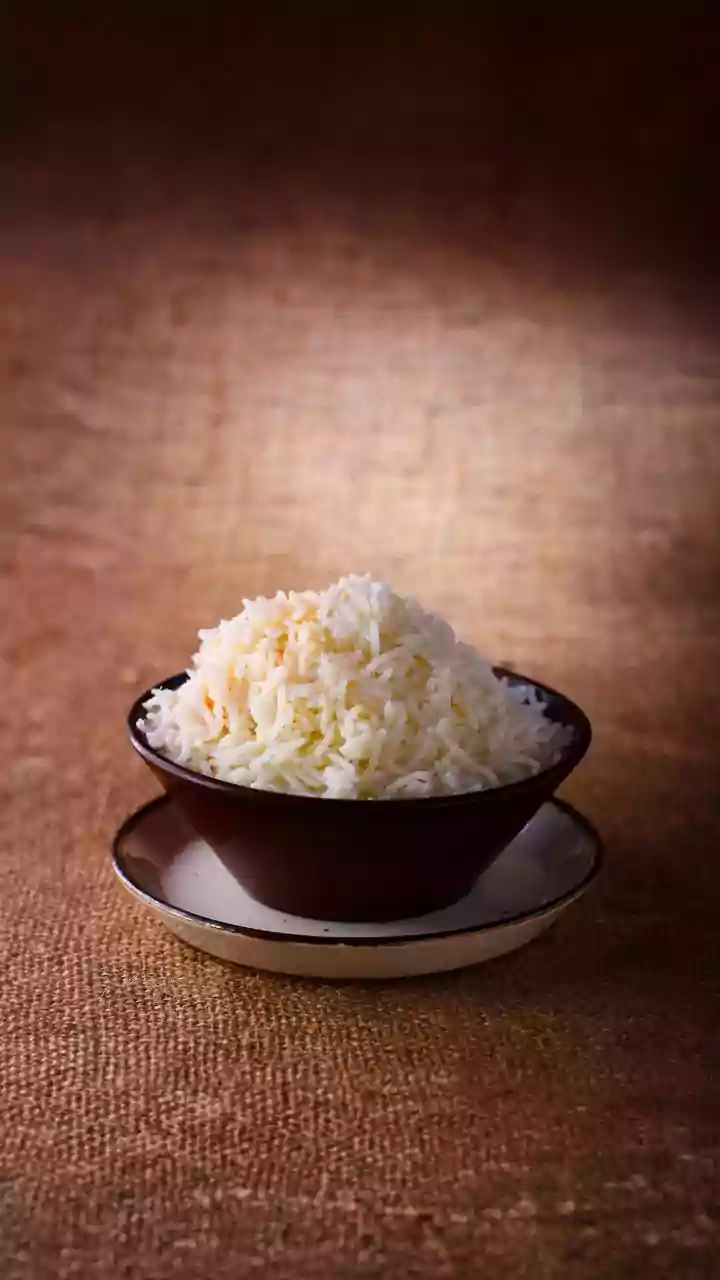
One of the most prevalent misconceptions is that sugar “feeds cancer”; hence, it must be totally avoided. While excess sugar is bad for you, carbohydrates are a necessary source of energy, and completely restricting them can cause weakness and weight loss.
Another misconception is that patients should only eat bland meals or liquids, while a diverse diet based on subjective tolerance is advantageous. There are also “anti-cancer” foods, detox diets, or herbal supplements that are floating around that are supposed to treat cancer, but there is no scientific support for these claims. In fact, certain supplements may even have negative effects or interfere with chemotherapy.
When undergoing chemotherapy, Archana S says, “Food intake can be affected by treatment side effects like mental stress, anxiety, depression, infections, altered taste, and digestive problems associated with medications.” Social, cultural, and financial factors determine access to nutrient-dense food and dietary choices.