







A death at an anti-plague research institute in Siberia has raised questions about a possible laboratory-linked plague infection, but the World Health Organization says the risk of a wider outbreak remains
low.
The situation centres on Darya Shipilova, a 28-year-old laboratory worker in Russia’s Irkutsk region, who died on October 2 after developing severe pneumonia.
Russian health authorities have said Shipilova did not test positive for plague and that she died from pneumonia of unknown cause. At the same time, around 200 people who may have had contact with her were reportedly placed under medical observation, while isolation measures were introduced at hospitals and the research institute.
Is there a confirmed plague outbreak in Siberia?
No. there is currently no confirmed plague outbreak linked to the incident as per WHO.
The WHO said Russian authorities told it that no case of plague had been recorded in Irkutsk, including in Shipilova or among her contacts. The agency has requested further information about what caused her pneumonia and is continuing to monitor the situation.
The confusion partly stems from conflicting reports surrounding Shipilova’s death. A regional official initially said she had died from plague before changing the wording to “possibly” plague. Russian health authorities later said there was no evidence connecting her illness to her work at the anti-plague institute.
What is Plague?
Plague is a bacterial infection caused by Yersinia pestis. It is not simply a disease associated with medieval history and still occurs in some parts of the world, although modern cases are generally treatable when detected early.

The disease has several forms. Bubonic plague, the most common form, usually spreads through infected flea bites and can cause fever and painfully swollen lymph nodes. Pneumonic plague affects the lungs and is more concerning from a transmission perspective because it can spread between people through respiratory droplets.
Why Are People Quarantined If There Is No Plague Outbreak Confirmed?
Dozens of Shipilova’s colleagues and other contacts have been placed under strict quarantine. Reports indicate that around 60 staff members were confined at the research institute, with some sleeping on floors and chairs while tests were carried out.
Similar restrictions were applied in several neighbouring hospitals, and relatives were barred from visiting patients. Russian health officials later stated that no new cases of illness had been reported among institute employees and that no dangerous pathogens had been detected among the monitored contacts.
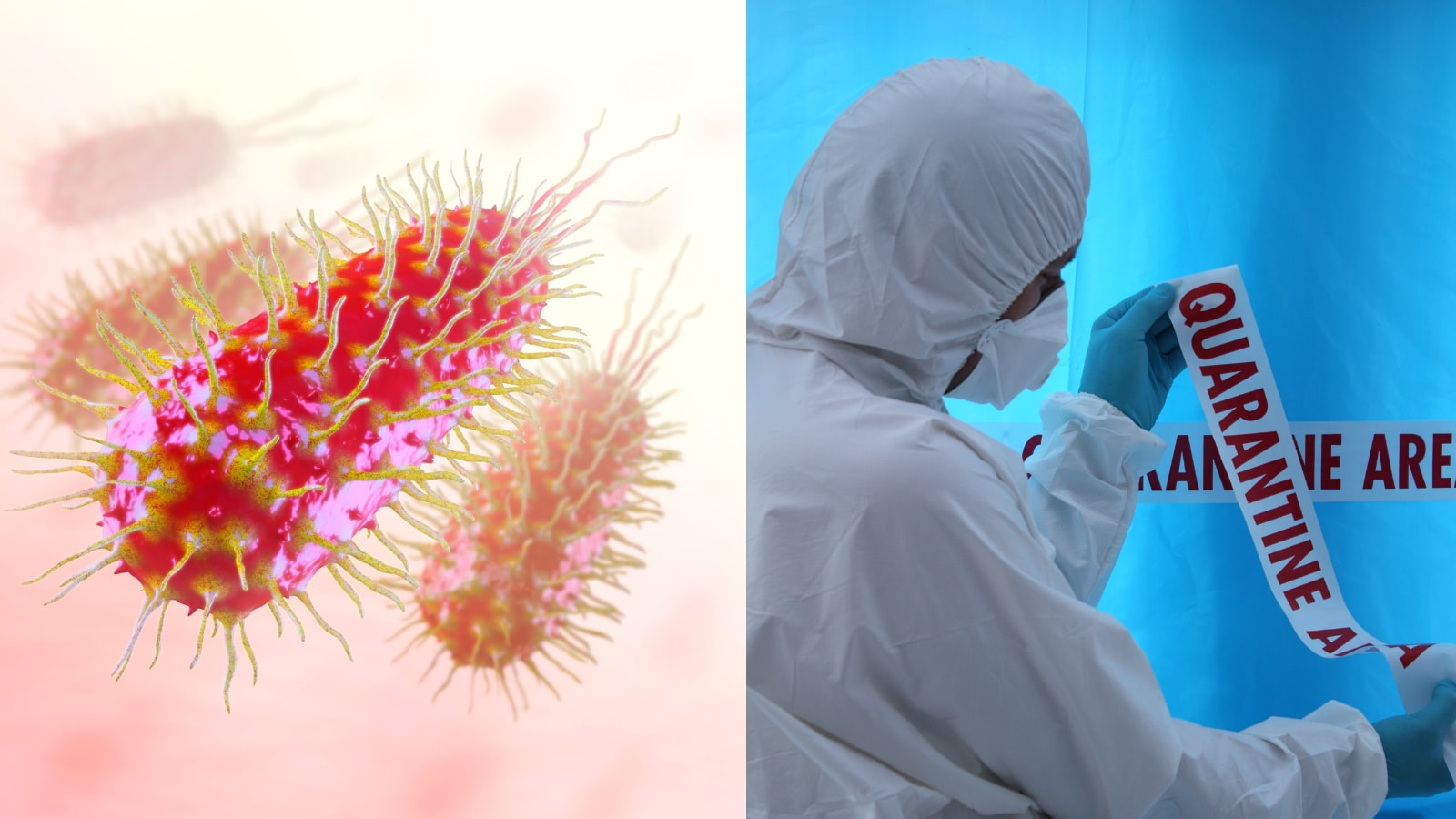
When a potentially serious infectious disease is suspected, monitoring and isolation can be precautionary measures while doctors establish whether transmission has occurred.
In this case, Russian authorities monitored people who had contact with Shipilova. Reports said no plague infections had been detected among those contacts. Some tests instead identified respiratory infections including COVID-19 and rhinovirus.
What is the WHO’s Risk Assessment?
WHO spokesperson Christian Lindmeier said the agency’s initial assessment put the risk at moderate to low for Irkutsk, low for the rest of Russia, and very low for the WHO European region.
He noted that all identified contacts were being monitored and that none had shown symptoms of illness to date. The WHO is following the situation closely and has said it stands ready to support Russian authorities if requested.
WHO Director-General Tedros Adhanom Ghebreyesus publicly urged Russia to share timely, complete and transparent information under the International Health Regulations so that potential public health risks can be assessed accurately.