






Bread is part of daily life, but its making is special. Regular bread relies on a single yeast strain for a quick rise, while sourdough uses a natural mix of microbes. This slow process not only changes
the texture of the bread but also gives it a richer flavour and nutritional edge. In recent years, sourdough has moved beyond artisan bakeries and become a staple in cafés, restaurants and even home kitchens.
Regular bread is made using one type of yeast that works quickly and helps the dough rise within a few hours. Sourdough is different because it uses natural wild yeast and healthy bacteria together. They work slowly, sometimes for many hours or even days.
The Secret Science of Sourdough
During this slow fermentation, the microbes break down the starch and proteins in the dough, creating the bread’s signature tangy taste and chewy texture. This process also makes sourdough easier for many people to digest compared to regular bread.
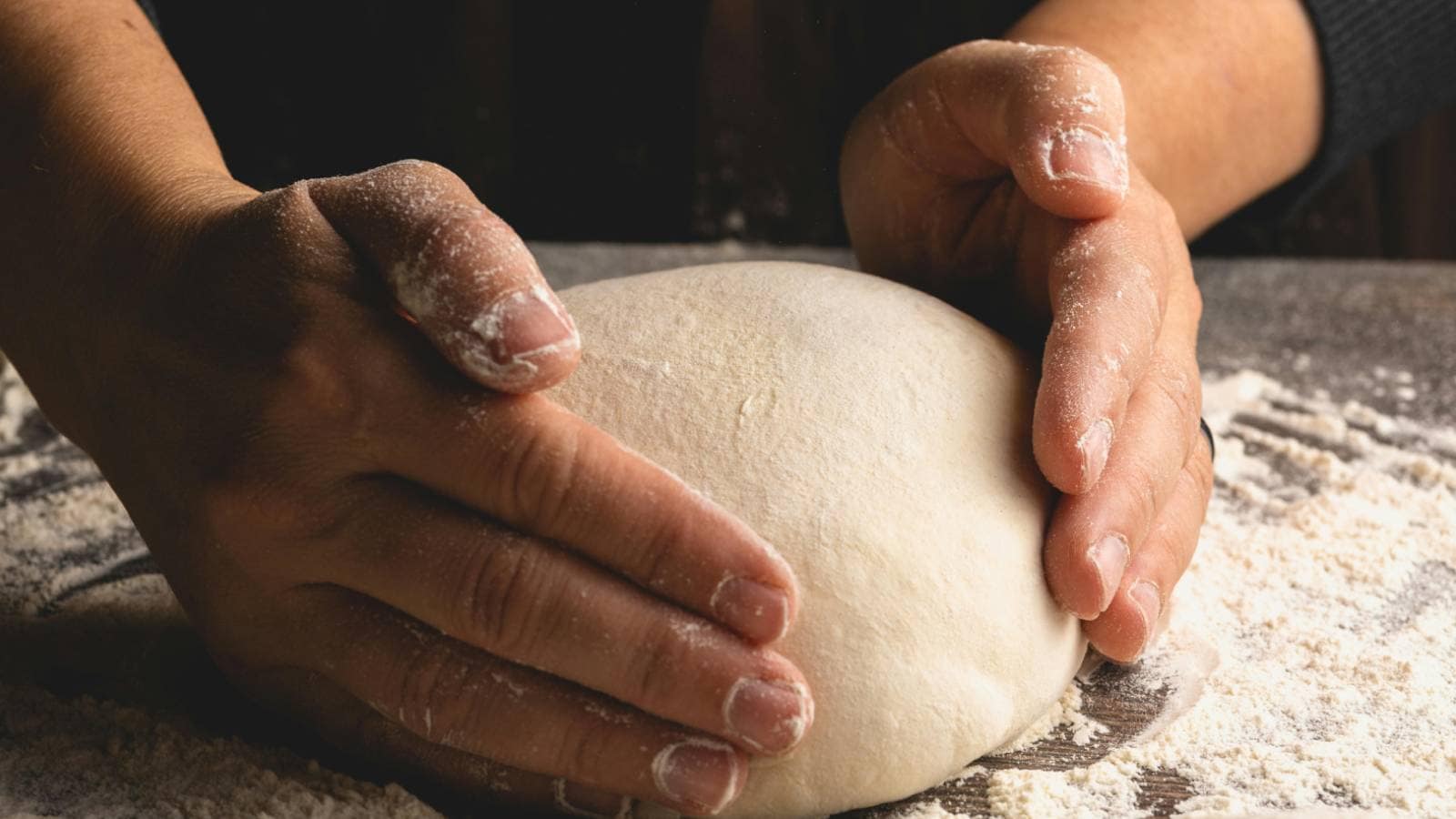
Another reason sourdough stands out is the craftsmanship involved in making it. Bakers often maintain a sourdough starter for years, feeding and nurturing it daily. The flavour can vary depending on the climate, flour and fermentation time, making every loaf slightly unique. It is this handmade quality that many bread lovers appreciate.
How Sourdough Supports Gut Health
The microbial ecosystem in sourdough makes it easier to digest. Gluten is partially broken down during fermentation, and the natural acids lower its glycemic index, meaning it may help support steadier blood sugar levels. Sourdough also produces compounds that act like postbiotics, which can support gut health. Normal bread, though soft and fluffy, is generally higher on the glycemic scale and may not suit sensitive stomachs as well.
Some nutrition experts also point out that the minerals present in sourdough may be easier for the body to absorb. The long fermentation helps reduce phytic acid, a compound that can interfere with mineral absorption. This means nutrients like iron, magnesium and zinc may become more bioavailable.
Why Sourdough Tastes Different and Became So Popular
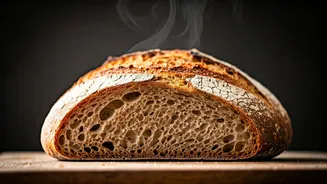
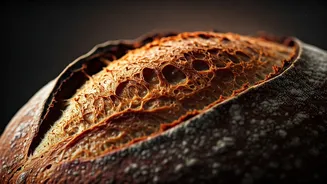
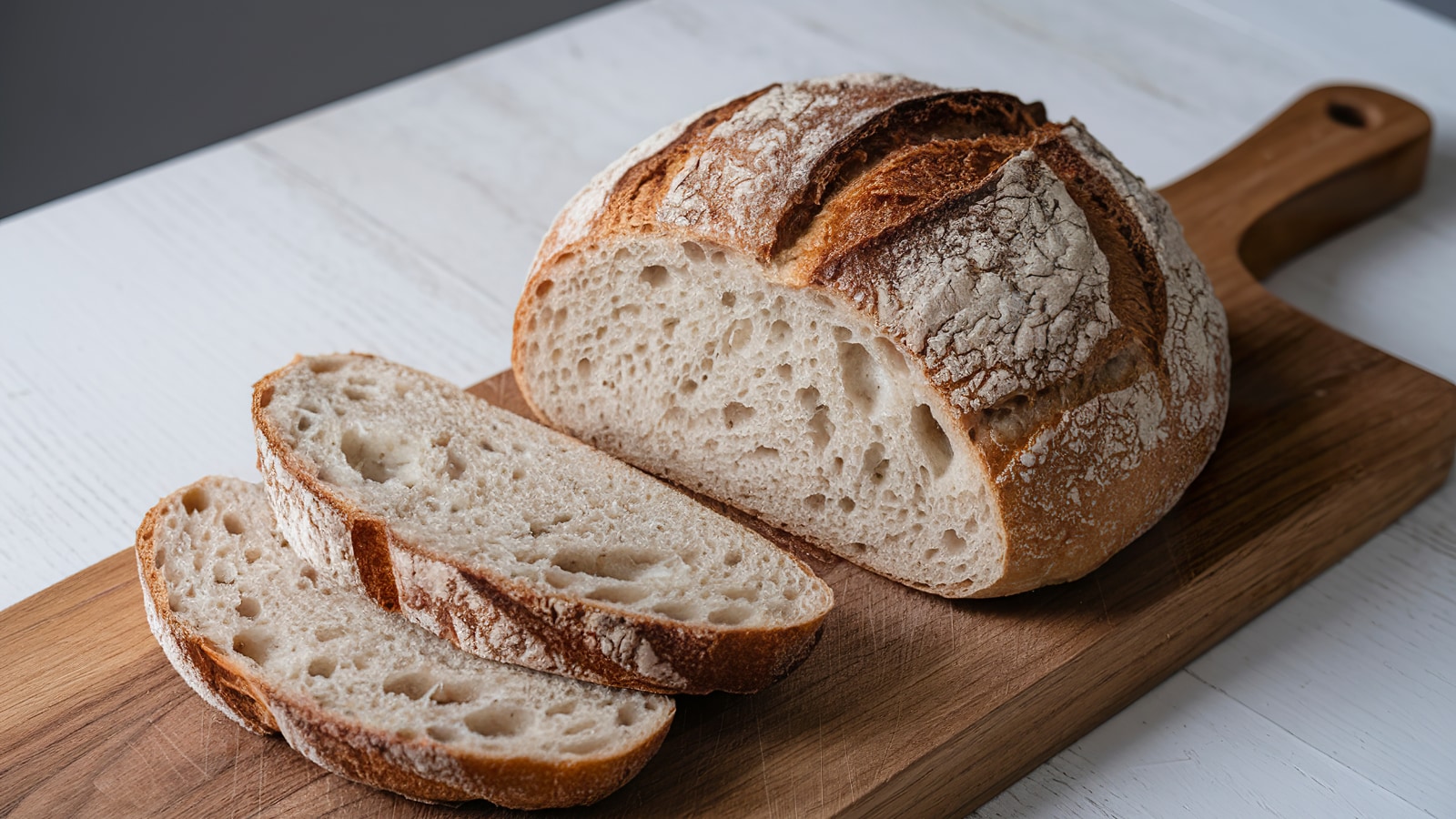
Microbes not only affect nutrition but also change the taste of bread. Sourdough has a slightly sour flavour and a chewy crust because of natural acids formed during fermentation, while regular bread tastes milder and simpler. The crust is often crispier, while the inside stays soft and airy.
Apart from the science, sourdough has also become a popular lifestyle trend. From people baking at home during the pandemic to speciality cafés in Indian cities, sourdough is now seen as both a healthy and stylish food choice. Social media has also played a role, with beautifully scored loaves and homemade starters becoming part of food culture online.