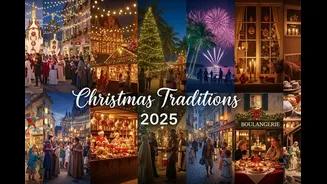




Christmas Traditions Around the World: One of the most widely celebrated festivals in the world, Christmas annually commemorates the birth of Jesus Christ, whom Christians revere as the Son of God and
saviour of humanity.
Every year, on December 25, Christians all over the globe take part in cultural celebrations for Christ. They organise prayers and festive ceremonies with beautiful decorations, apart from exchanging gifts and relishing all the great delicacies with friends and families.
Christmas evokes the spirit of giving and generosity within communities and nations in a lively and vibrant atmosphere, which makes it one of people’s most favourite festivals. But while the spirit is the same, the Christmas celebrations vary quite drastically from country to country.
Here is a look at some of the nations where the Christmas celebrations stand out for their unique nature, reflecting the country’s ancient history and cultural traditions.
Christmas Traditions Around The World
Mexico
The Mexicans take part in Christmas celebrations quite extensively, with the festive fervour stretching from early December right until early January. The celebrations kick off with the Las Posadas, which is a nine-night reenactment of Mary and Joseph’s journey to find shelter.
ALSO READ: Christmas 2025: Why We Celebrate It On December 25? History, Myths, Facts, Traditions And Celebration Ideas
On Mexican streets, you’d find kids and adults going door to door to wish people a Merry Christmas and sing traditional songs. The Christmas Eve is called Nochebuena, which features midnight mass and late-night feasting. These feasts often include tamales wrapped in corn husks, warm drinks like atole and champurrado and a hot fruit punch called Ponche.
Germany
The Germans host the Weihnachtsmärkte, or Christmas markets, for the festival celebrations. These markets are full of lights, crafts, music and sweet smells during the festivities. About 19 days before Christmas, Germany celebrates St. Nicholas Day, when children receive small gifts in their shoes.
People decorate Christmas trees, while families use Advent calendars and wreaths carrying surprises and candles. As for food, Lebkuchen, a spiced gingerbread treat, is shared. Apart from Stollen, which is a fruit bread covered in powdered sugar. People are offered a warm spiced drink called Glühwein.
Brazil
Unlike most countries where Christmas is a winter festival, Brazilians celebrate it in warm weather. On December 25, the Brazilian streets are filled with traditional festivities that carry some Portuguese influences. The celebrations include Ceia de Natal, a late-night feast, midnight fireworks and tropical decorations.
One may also witness nativity scenes called presépios, the beach sight celebrations in coastal lands and music and dance at parties in town squares. Brazilians feast on local desserts, including the Chocolate Pave on Christmas.
Denmark
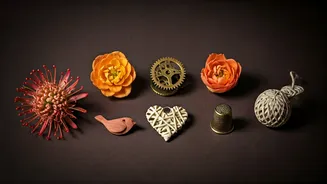
In Denmark, Christmas celebrations are aimed towards feeling ‘hygge’, which means experiencing warmth and comfort with your friends and family. Homes and streets are lit with candles and colourful decorations. People also make handmade woven heart ornaments. Risalamande, a rice pudding dessert with hidden almonds, is an integral part of Denmark’s Christmas delicacies.
South Africa
The African nation sees families hosting coastal adventures, parties, games and feasts on Christmas. People also take part in Church services and offer prayers to Jesus. Various community events are organised. The mouthwatering feasts include barbecues, cold and hot desserts and more.
France
In French culture, Christmas often means long-lasting and delicious meals as well as lit-up streets with decorated homes. French people host a special Christmas Eve feast called the Le Réveillon, which goes for hours. It includes Bûche de Noël, a Yule log cake. France’s major cities, like Paris, witness a surge of tourists during the Christmas week.
Sweden
The Christmas fervour begins in Swedish households with the celebrations for St. Lucia Day on December 13. In the celebrations, a girl dressed in white with a candle crown leads processions aimed at spreading light and positivity. On St Lucia Day, people eat saffron buns called the Lussekatter. The Christmas Day feast involves families hosting Julbord, a buffet featuring fish, meats, cheeses, and desserts.
Australia
It’s peak summer time Down Under at Christmas, when the country’s major states and cities are lit up with fireworks and decorated streets. Special ceremonies are organised by the Church and local authorities, which communities and tourists take part in.
You can explore the Santa theme activities, enjoy the candlelight concerts and go for beach parties in a coastal retreat. In terms of food, people host barbecues with seafood, steak, or sausages and dig into Pavlova, a fruit-topped dessert.
Philippines
It witnesses one of the longest Christmas seasons and festivities in the world, beginning from September and lasting till early January. In the Philippines, the religious traditions blend beautifully with music, food and family gatherings. The streets are usually glittered with Parols, the star-shaped lanterns.
The traditions involve Simbang Gabi, which are gatherings organised at dawn or nighttime. You can also enjoy the Noche Buena, a Christmas Eve feast. The food usually includes bibingka (rice cake) and queso de bola (cheese).
Italy
In Italian culture, Christmas is about family, food, religious traditions and spiritual vibes. During Christmas, Italian towns are home to beautiful nativity scenes. Many villages in the country host festivities and parades on the big day, with cities and streets decorated by the local communities.
Kids get their Christmas gifts twice: first from Santa and then from La Befana, a kind witch, who visits homes on January 6. The Christmas Eve feast includes the special ‘Feast of Seven Fishes’. People also love their pasta dishes and panettone cake.