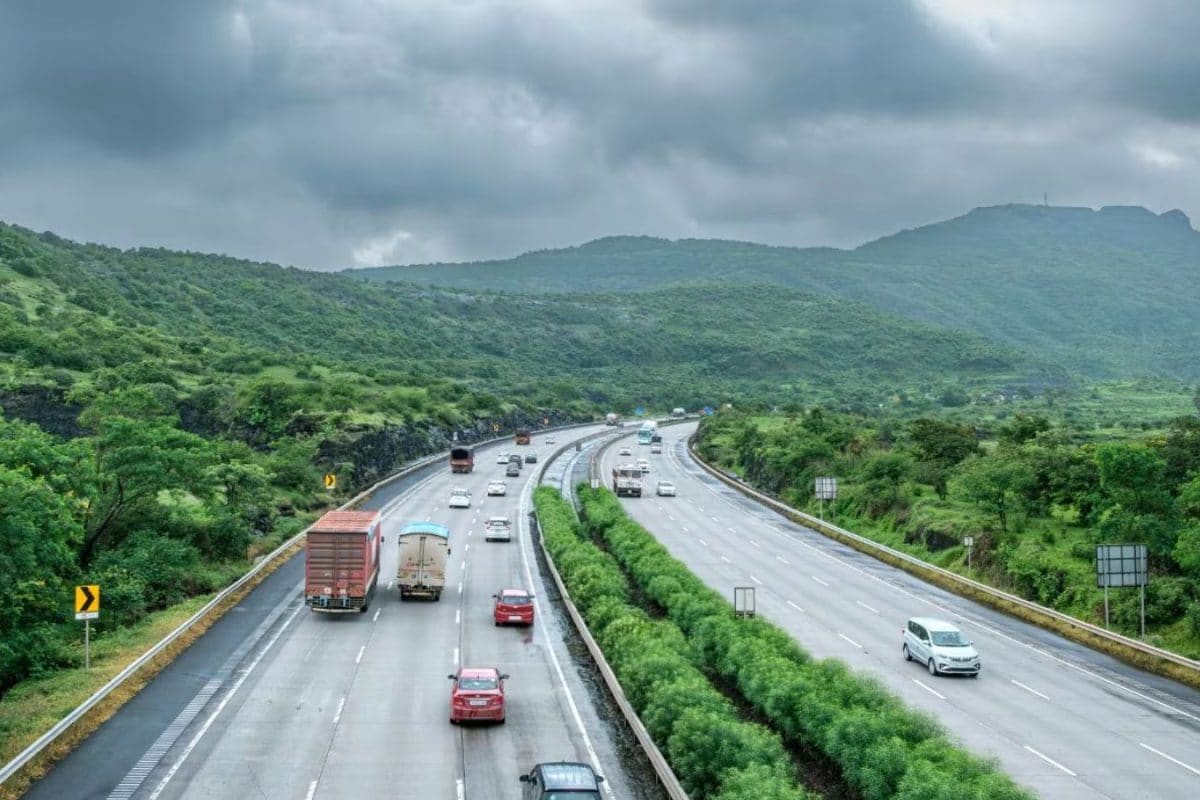






Be it the 32-hour traffic gridlock or weekend snarls, long waiting time has become the new normal on the Mumbai-Pune Expressway. While the authorities are working out infrastructural solutions, these simple
tricks could help you beat the traffic.
MUMBAI-PUNE EXPRESSWAY: PRIMARY TRAFFIC HOTSPOTS
Bhor Ghat (Khandala Ghat): The most critical bottleneck on the entire route. Narrow curves, steep gradients, and the merging of four lanes from the old highway into the expressway’s six lanes frequently cause “snail-paced” movement.
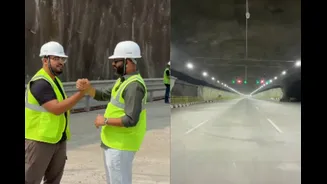
Adoshi Tunnel: A major risk area for accidents. A recent propylene gas tanker overturn here (February 3–5, 2026) caused a 32-hour total blockade.
Amrutanjan Bridge: A notorious site for vehicle breakdowns and heavy vehicle “choking,” particularly on the Mumbai-bound side.
Khalapur Toll Plaza: A regular congestion point due to merging traffic and vehicle queues; it was a major site of stranding during recent February disruptions.
Kamshet and Brahmanwadi: These areas experience significant backups, especially when heavy vehicles fail on the steep inclines.
Palaspe Phata to Bhatan Tunnel: Congestion often spills over here due to heavy Jawaharlal Nehru Port-bound truck traffic exiting the expressway.
‘No-exit’ zone: The 20-km stretch between Khalapur and Kusgaon has no service roads or local exits, meaning motorists are effectively trapped once a jam begins.
MUMBAI-PUNE EXPRESSWAY: TIPS AND TRICKS
1. TIMING MATTERS: Timing is the most critical factor for a smooth journey.
Based on current trends:
Best Time (Fastest): Early morning between 4:00 AM and 6:00 AM.
Good Option: Mid-morning (10:00 AM to 12:00 PM) or late night (after 10:00 PM) when truck volumes often decrease.
Avoid (Peak Chaos)
Friday Evenings (4 PM – 10 PM): There is heavy outbound traffic from Mumbai.
Sunday Afternoons/Evenings (3 PM – 10 PM): Massive return rush from Lonavala/Pune to Mumbai.
Monday Mornings (6 AM – 10 AM): Commuters returning to Mumbai.
2. ALTERNATIVE ROUTES: If the expressway is reported as “standstill” or blocked due to accidents (common in the Bhor Ghat section):
Old Mumbai-Pune Highway (NH-48): Use this as a relief route, though it also sees congestion near Khopoli and Lonavala during major expressway blocks.
Tamhini Ghat or Malshej Ghat: Authorities recommend these as long-distance bypasses during total expressway closures, though they can add 3–5 hours to your total journey time.
Public Transport: For a guaranteed bypass of road traffic, use trains like the Deccan Queen, Intercity Express, or Sinhagad Express.
3. REAL-TIME MONITORING
Conditions can change rapidly due to vehicle breakdowns or emergency traffic halts:
Navigation Apps: Always use Google Maps or Waze to check for “red” zones before departing.
Official Helpline: Save the dedicated highway police number: 98224 98224.
Social Media: Check the Maharashtra Highway Police or local news handles on X (formerly Twitter) for immediate accident alerts.
4. SPECIAL CONSIDERATION
Heavy Vehicle Restrictions: Note that new rules effective February 1, 2026, ban heavy vehicles from entering Mumbai during peak hours (8 AM–11 AM and 5 PM–9 PM), which may cause trucks to “idle” or queue near city entry points.
MUMBAI-PUNE EXPRESSWAY: DOS AND DON’TS
Maintain a maximum speed of 80 km/h and follow lane discipline.
In case of accidents or breakdowns, contact the Expressway Control Room at 98224 98224.
Avoid stopping on the shoulder or anywhere except designated food malls or petrol pumps for safety.