






Brent crude futures rose on Friday, extending gains after surging 4% to a five-month high in the previous session, as concerns over potential supply disruptions intensified following Houthi attacks on Saudi
Arabia and an outage at an oil pipeline in Libya.
Brent crude futures for December delivery were trading at $113.82 a barrel, up 65 cents, or 0.57%, as of 7:15 am IST.
Brent settled at its highest level since May 4 on Thursday and was on track to post a third consecutive weekly gain, supported by mounting geopolitical risks and concerns over the security of key oil supply routes.
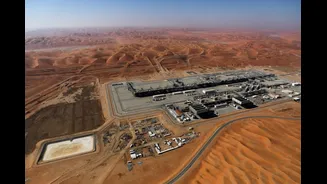
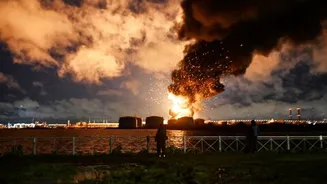
Saudi Aramco ordered the evacuation of its headquarters in Dhahran on Thursday as fighting intensified between the world’s largest crude exporter and Yemen-based Houthi forces, Reuters reported. The escalation has heightened concerns about the potential impact on Saudi oil infrastructure and regional energy supplies.
Clashes between the Houthis and the Saudi-led coalition backing Yemen’s internationally recognised government have also raised concerns around Bab el-Mandeb, a strategic shipping chokepoint at the entrance to the Red Sea.
Supply concerns were compounded by a pipeline disruption in Libya. A valve on a pipeline transporting crude from the Hamada and Tahara oilfields to the Zawiya port was shut, reducing output at both fields, the head of Libya’s National Oil Corporation told Reuters on Thursday.
Developments involving Russia also remained in focus. Moscow said on Wednesday it was ready to resume US-mediated talks with Ukraine next month, following President Vladimir Putin’s meeting with US envoy Steve Witkoff in St Petersburg. Ukrainian President Volodymyr Zelenskiy said he hoped negotiations would take place in early November.
Russia was the world’s third-largest crude oil producer in 2025, after the United States and Saudi Arabia, according to US energy data. The prospect of renewed diplomatic engagement could influence market sentiment, although uncertainty over the conflict and sanctions on Russian energy continues to pose risks to global supply.
(With inputs from Reuters)