






Diwali, popularly known as the Festival of Lights, is among India’s most widely celebrated festivals. Marking the victory of good over evil and light over darkness, the festival brings families and communities
together through prayers, traditional rituals, festive meals and the lighting of earthen lamps.
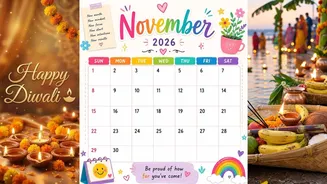
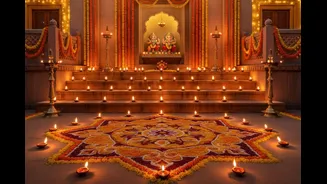
This year, Diwali will be celebrated on Sunday, November 8. Also known as Deepavali, the festival is observed during the Hindu lunar month of Kartika. Homes, temples, streets and marketplaces are decorated with diyas, colourful rangolis and lights as people welcome prosperity, happiness and new beginnings.
Read More: Diwali 2026 Date: When Is Diwali? Check Correct Date, Day And Significance
While the festival is closely associated with the worship of Goddess Lakshmi and Lord Ganesha, its significance extends beyond a single religious story. Different communities across India celebrate Diwali for different historical, spiritual and mythological reasons.
When Is Diwali 2026?
Diwali 2026 falls on Sunday, November 8. The main celebration is associated with Kartik Amavasya, or the new moon day of the Hindu lunar month of Kartika.
The evening is considered significant for Lakshmi Puja. Devotees clean and decorate their homes, light diyas, offer prayers to Goddess Lakshmi and Lord Ganesha, and seek blessings for wealth, wisdom and prosperity.
Diwali 2026 Lakshmi Puja Muhurat and Timings
- Lakshmi Puja: Sunday, November 8
- Lakshmi Puja Muhurat: 05:54 PM to 07:50 PM
- Duration: 01 Hour 56 Mins
- Pradosh Kaal: 05:31 PM to 08:09 PM
- Vrishabha Kaal: 05:54 PM to 07:50 PM
- Amavasya Tithi Begins: 11:27 AM on Nov 08, 2026
- Amavasya Tithi Ends: 12:31 PM on Nov 09, 2026
Why Is Diwali Celebrated?
Diwali symbolises the triumph of light over darkness, knowledge over ignorance and good over evil. However, the reason behind its celebration varies across India’s regions and religious communities.
For many Hindus, the festival marks Lord Rama’s return to Ayodhya after 14 years of exile and his victory over Ravana. In other traditions, it commemorates Lord Krishna’s victory over Narakasura.
The festival is also associated with Goddess Lakshmi, who is worshipped as the deity of wealth, fortune and prosperity. For Jains and Sikhs, Diwali carries distinct spiritual and historical significance.
History and Mythological Significance of Diwali
Lord Rama’s Return to Ayodhya
One of the most popular stories associated with Diwali comes from the Ramayana.
According to Hindu tradition, Lord Rama returned to Ayodhya with Goddess Sita and his brother Lakshmana after completing 14 years of exile. His return followed the defeat of Ravana, the king of Lanka, who had abducted Sita.
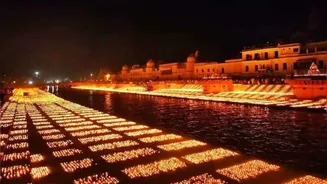
The people of Ayodhya are believed to have illuminated the city with rows of oil lamps to welcome Rama, Sita and Lakshmana. This tradition is widely associated with the lighting of diyas during Diwali and represents the victory of righteousness over evil.
Lord Krishna’s Victory Over Narakasura
In several southern and western Indian traditions, Diwali is associated with Lord Krishna’s victory over the demon Narakasura.
According to Hindu mythology, Narakasura had become a tyrannical ruler and imprisoned thousands of women. Lord Krishna defeated him and freed those held captive, restoring peace and righteousness.
The victory is remembered through Naraka Chaturdashi, also known as Choti Diwali in several regions. The observance symbolises the destruction of evil and the beginning of a brighter, more hopeful phase.
Worship of Goddess Lakshmi and Lord Ganesha
Lakshmi Puja is one of the most important rituals performed on Diwali.
Goddess Lakshmi is worshipped as the deity of wealth, prosperity, abundance and good fortune. Devotees believe that lighting lamps and offering prayers on Diwali invite positive energy and blessings into their homes.
Lord Ganesha is worshipped alongside Goddess Lakshmi as the remover of obstacles and the deity of wisdom and auspicious beginnings.
In some traditions, Lord Kuber, the deity associated with wealth, is also honoured during the festive period.
Bandi Chhor Divas in Sikhism
Diwali also coincides with Bandi Chhor Divas, an important observance in Sikhism.
The occasion commemorates the release of Guru Hargobind Sahib Ji from imprisonment at Gwalior Fort, along with 52 Hindu kings. According to Sikh tradition, Guru Hargobind Sahib Ji secured their release as well.
The occasion represents freedom, justice and compassion. Gurdwaras are illuminated, prayers are offered and devotees participate in community celebrations.
Mahavira Nirvana in Jainism
For the Jain community, Diwali marks the nirvana of Lord Mahavira, the 24th Tirthankara.
According to Jain tradition, Lord Mahavira attained liberation at Pavapuri in present-day Bihar. The occasion is observed as Nirvana Day, commemorating his teachings on non-violence, truth, self-discipline and spiritual liberation.
For Jain devotees, the lighting of lamps also carries a spiritual message about seeking inner knowledge and overcoming ignorance.
What Is the Meaning of Deepavali?
The word Diwali is derived from Deepavali, a Sanskrit term commonly interpreted as a row or series of lamps.
Deepavali reflects the central tradition of illuminating homes and public spaces with earthen lamps. These lamps are symbolic of hope, positivity, wisdom and the triumph of good over evil.
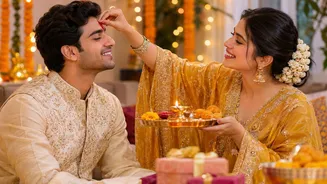
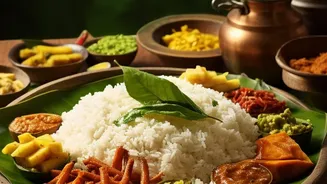
During the festival, families clean their homes, decorate entrances with rangolis, prepare traditional sweets, exchange gifts and visit relatives. Lighting diyas remains one of the most recognisable customs associated with the celebration.
Diwali 2026: Five-Day Festival Schedule
Diwali celebrations extend across several days, with each observance carrying its own religious and cultural significance.
Here is the festival schedule based on the dates in the supplied Drik Panchang reference:
How Is Diwali Celebrated Across India?
Diwali celebrations reflect India’s cultural and regional diversity.
- North India: The festival is widely associated with Lord Rama’s return to Ayodhya. Homes are decorated with diyas, rangolis and decorative lights.
- South India: Naraka Chaturdashi and Lord Krishna’s victory over Narakasura hold particular importance. Traditional oil baths and early morning rituals are observed.
- Western India: Diwali is associated with Lakshmi Puja, business account-book worship and the beginning of the Gujarati New Year.
- Eastern India: Kali Puja is an important observance in West Bengal, Odisha and Assam, with devotees worshipping Goddess Kali.
- Across Sikh communities: Bandi Chhor Divas is observed with prayers and illumination of gurdwaras.
- Across Jain communities: Devotees remember Lord Mahavira’s nirvana and reflect on his spiritual teachings.
What Is the Significance of Lighting Diyas on Diwali?
Lighting diyas is one of the most meaningful Diwali traditions. The lamps symbolise the removal of darkness and the arrival of hope, wisdom and positivity.
Families place earthen lamps at entrances, windows, balconies, courtyards and prayer spaces. Temples and public areas are also illuminated, creating the festive atmosphere associated with Deepavali.
Beyond the religious symbolism, the tradition encourages people to reflect on kindness, compassion, generosity and the importance of spreading happiness.
Why Is Diwali Celebrated as the Festival of Lights?
Diwali is called the Festival of Lights because illumination lies at the heart of its celebrations and spiritual meaning.
Whether it is the return of Lord Rama, Lord Krishna’s victory over Narakasura, Goddess Lakshmi’s worship or the nirvana of Lord Mahavira, the festival carries a common message: darkness and ignorance can be overcome through goodness, knowledge and righteousness.
As families prepare for Diwali 2026, the festival remains an occasion to celebrate togetherness, renew relationships, offer prayers and welcome new beginnings with hope and positivity.