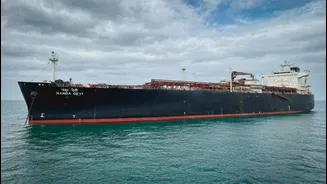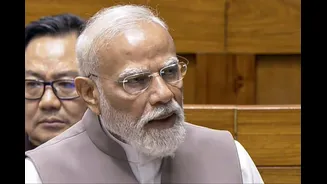





Prime Minister Narendra Modi on Monday termed attacks on commercial vessels and disruptions in key global shipping routes such as the Strait of Hormuz “unacceptable”, underlining the strategic importance
of the maritime corridor for India’s energy and trade security.
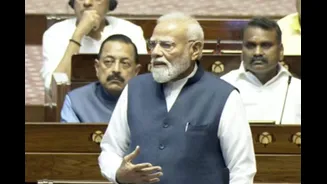
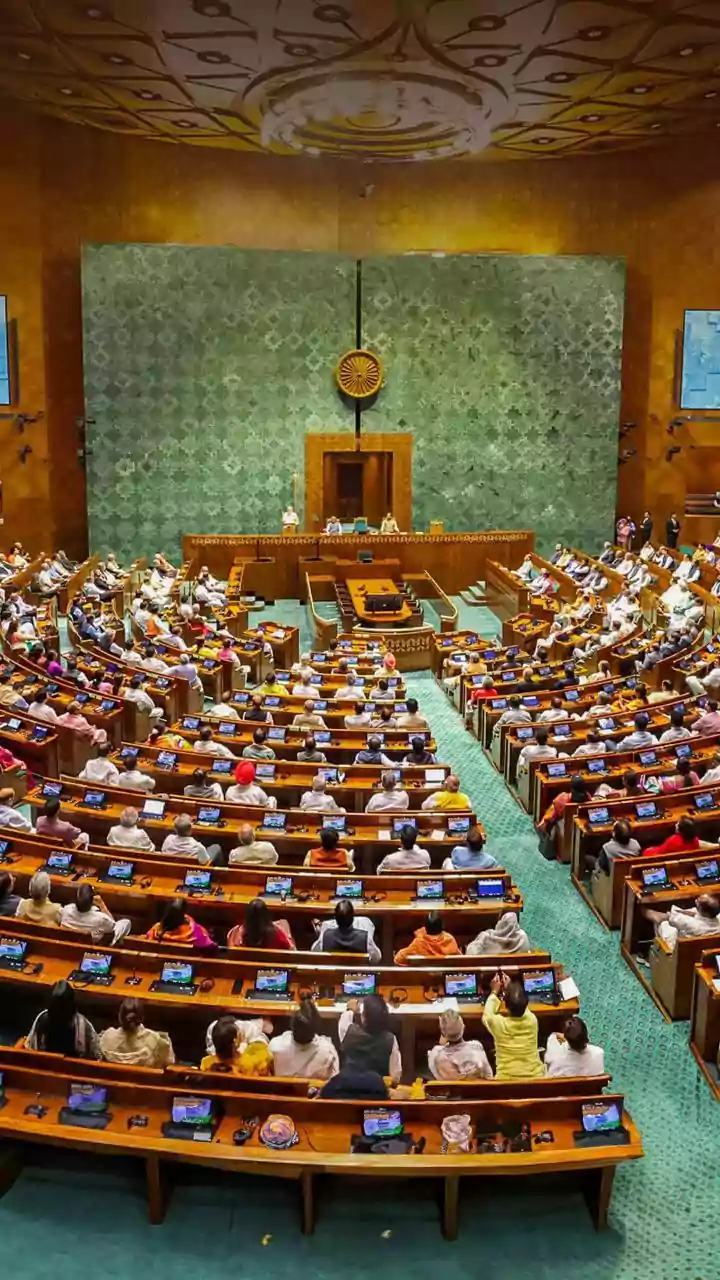
Addressing the Lok Sabha during the ongoing Parliament session, the Prime Minister said the developments in the region have added to the challenges posed by the ongoing West Asia conflict, particularly in ensuring the uninterrupted movement of commercial cargo and maintaining supply stability.
“Attacks on commercial ships and disruptions in international waterways like the Hormuz Strait are unacceptable. Through diplomacy, India is continuously making efforts for the safe passage of Indian ships, even in this atmosphere of war,” the Prime Minister said.
KEY ENERGY ROUTE CRUCIAL FOR INDIA
Highlighting the significance of the Strait of Hormuz, PM Modi said the route plays a major role in ensuring supplies of crude oil, gas and fertilisers required for India’s economy.
“A significant portion of India’s crude oil, gas, and fertiliser supplies comes through the Strait of Hormuz. In the current situation, movement of ships through the Strait has become very challenging,” he said.
He added that despite the evolving situation, the government is making continuous efforts to ensure supply chains remain stable and citizens face minimal inconvenience.
“Despite this, the government is making every effort to ensure that the supply of petrol, diesel, and gas is not significantly affected. Our focus remains on minimising difficulties for common households,” PM Modi said.
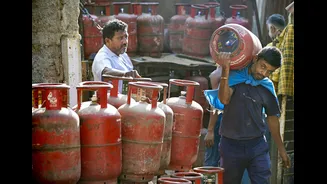
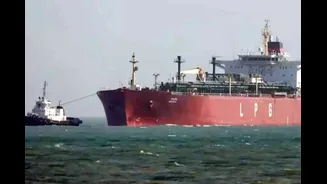
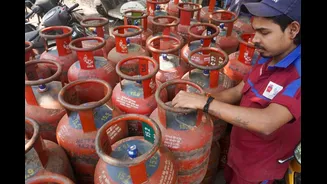
The Prime Minister noted that India imports nearly 60 per cent of its LPG requirement and steps are being taken to prioritise domestic needs while also boosting production capacities.
“Due to supply uncertainties, the government has prioritised domestic use of LPG, while also increasing production within the country,” he said.
GOVERNMENT MONITORING SUPPLY CHAINS CLOSELY
Referring to the broader economic implications, PM Modi said the government has been actively monitoring developments to ensure the availability of essential commodities and maintain stability in key sectors.
“Economies around the world are being affected by the current crisis, and continuous efforts are being made to minimise its impact,” he said.
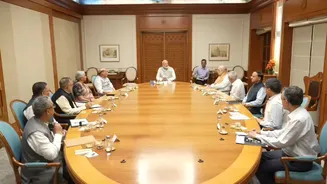
According to an ANI report, the government has held discussions across sectors, including petroleum, fertilisers, shipping, trade, power and supply chains, to assess the possible short-term, medium-term and long-term effects of the conflict.
“A detailed assessment of availability for critical needs of the common man, including food, energy and fuel security, was made. Short-term, medium-term and long-term measures to ensure the continued availability of essential needs were discussed in detail,” the ANI report noted.
INDIA PURSUING DIPLOMATIC EFFORTS
During his address, the Prime Minister emphasised that India is engaging diplomatically to ensure the safety of commercial shipping and Indian interests in the region.
“Through diplomacy, India is continuously making efforts for the safe passage of Indian ships,” he said.
He added that the government is working with a calibrated approach to ensure that global disruptions do not significantly impact India’s economy or daily life.
“Continuous efforts are being made to ensure that India faces minimal adverse impact. The government is working with a strategy to address the short-term, medium-term, and long-term effects,” PM Modi said.
The Prime Minister reiterated that the evolving situation requires sustained vigilance and coordinated action across sectors to safeguard India’s economic stability and energy security.
ALSO READ | ‘Situation In West Asia Alarming’: PM Modi Flags Iran War Impact On India In Lok Sabha