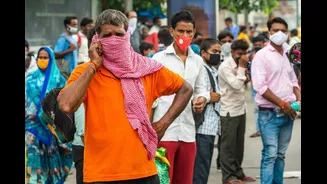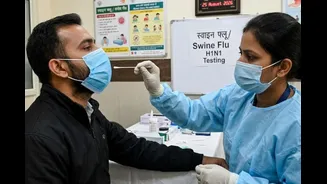










H1N1 cases are climbing across India this monsoon, with Delhi crossing the 2,000-case mark and Karnataka recording more than 4,000 infections, over half of them from Bengaluru. Hospitals and clinics are seeing
more patients with flu-like illness. Yet the Indian Council of Medical Research (ICMR) has clearly stated that no new strain is behind the rise.
The circulating viruses belong to the A/Missouri/11/2025 (H1N1) pdm09-like strain, which has been present since 2025 and matches the vaccine strains recommended for the Northern Hemisphere. With many people experiencing symptoms beyond fever, cough, sore throat and body ache. There are reports of fatigue, headache, nausea, vomiting or other symptoms that can initially look like a stomach infection or an ordinary viral illness.
That matters as India sees a rise in H1N1 cases, particularly in Delhi and other parts of North India. The increase, however, is not being linked to a new or more dangerous strain. Senior scientists at the Indian Council of Medical Research (ICMR) have said that no new H1N1 strain has been identified in India and that the viruses currently circulating have been present since 2025. They are also reported to be well matched with the influenza vaccine strains recommended for the Northern Hemisphere.
Riya Mehra, a 2-year-old PR professional shares, what she thought just a reaction to eating something bad turned to be something more serious. “I had no fever, only vomiting and weakness,” she recalls. For three days she felt nauseous, threw up several times, lost her appetite completely and could barely get out of bed. There was no cough, no sore throat and her temperature stayed normal. She continued working from home, assuming it was food poisoning or monsoon-related acidity.

When the weakness intensified and she developed mild body aches, a colleague who had recovered from H1N1 suggested she get tested. The RT-PCR came back positive for influenza A (H1N1). “I was shocked,” Riya says. “I never imagined swine flu could look like a stomach infection. If I had waited longer, I might have spread it to my elderly parents at home.” She recovered with rest, fluids and medical advice, but the episode made her realise how easily atypical symptoms can be missed.
Why Are H1N1 Cases Rising If There Is No New Strain?
Influenza in India follows a seasonal pattern, with increased activity often seen during the monsoon. Humidity and prolonged rain encourage people to stay indoors in crowded, poorly ventilated spaces — offices, schools, public transport and markets — creating ideal conditions for respiratory viruses to spread. Minor genetic changes (antigenic drift) that occur every year can also reduce population immunity slightly, allowing the same known strain to infect more people.
Increased testing and greater awareness after previous seasons have also contributed to higher reported numbers. Experts emphasise that this is a sharper seasonal wave, not a more dangerous or novel virus.
The current increase appears to be part of a stronger seasonal influenza wave rather than the emergence of a new virus.
This distinction is important. A new strain would imply a significant change in the virus, whereas seasonal influenza can rise simply because conditions become more favourable for transmission and immunity in the population varies.
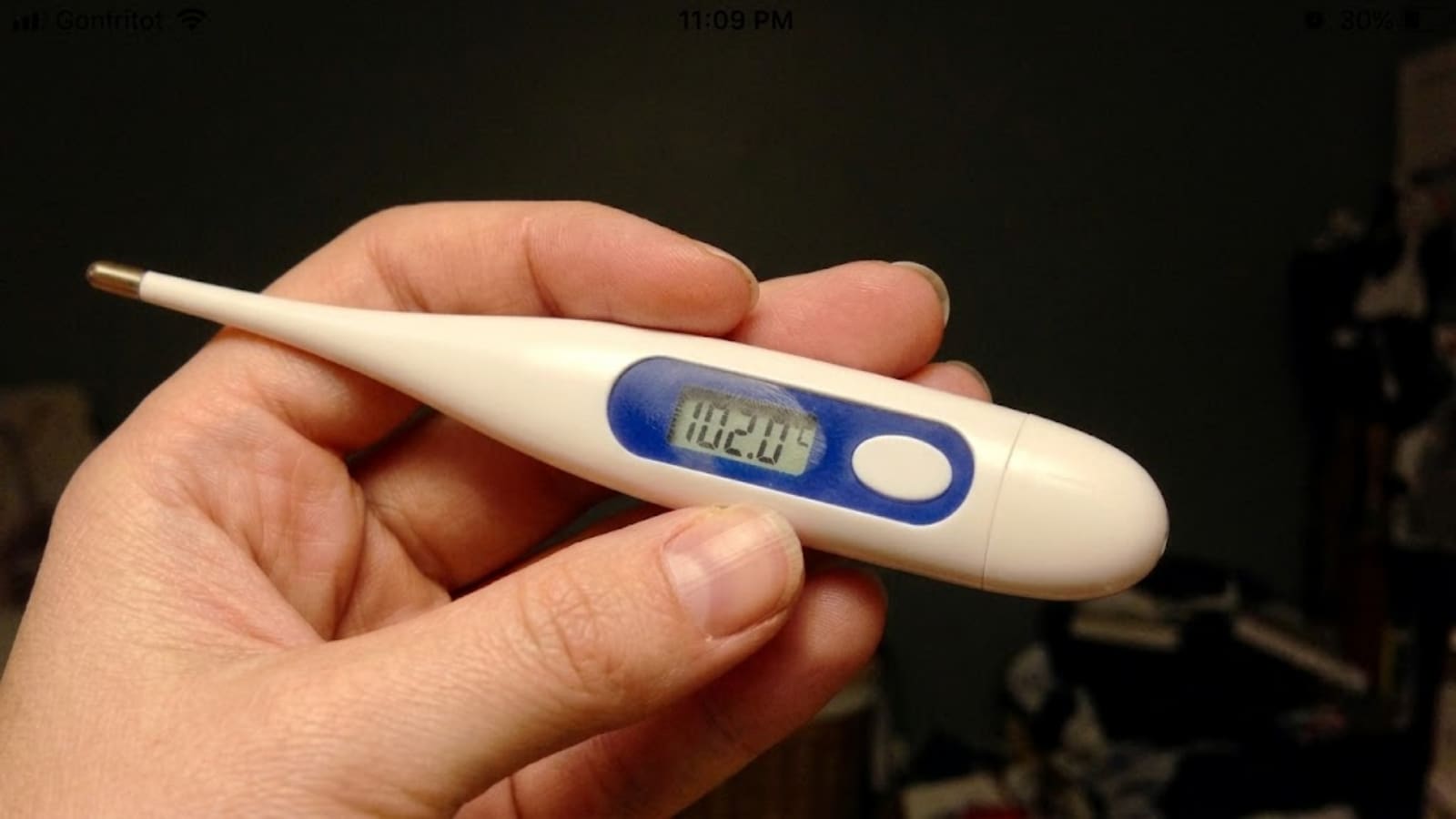
What Are the Lesser-Known Symptoms of H1N1?
While fever, cough, sore throat, headache and body aches remain common, doctors point out that H1N1 can present differently. According to infectious disease specialists, some patients especially children and older adults may experience:
- Vomiting and diarrhoea
- Loss of appetite
- Unusual or extreme weakness and fatigue
- No fever at all
- Headache
- Nausea
- Body aches
- Sore throat
- Nasal congestion or runny nose
These symptoms can easily be mistaken for gastroenteritis or general monsoon illness. The absence of fever does not rule out influenza. Symptoms can also overlap with COVID-19 and other viral infections, making self-diagnosis unreliable.
Should You Get tested for H1N1 if you have flu-like symptoms?
Not everyone with mild flu-like symptoms necessarily needs testing. The decision depends on the clinical situation, risk factors and doctor’s assessment.
Testing can become more important when symptoms are severe, persistent, worsening or occurring in someone who is at higher risk of complications.
It is also worth avoiding self-diagnosis. A cough, headache or vomiting episode can have several possible causes, and H1N1 cannot be confirmed simply by looking at symptoms.

When Should You Seek Medical Help Immediately?
Mild cases can usually be managed at home with rest, fluids and symptomatic treatment. Contact a doctor or go to the hospital if you notice:
- Difficulty breathing or shortness of breath
- Chest pain or discomfort
- Confusion, unusual drowsiness or severe weakness
- Persistent or high fever
- Signs of dehydration
- Symptoms that improve and then suddenly become worse
Early testing (preferably RT-PCR) can help confirm the infection and guide decisions about antiviral treatment if needed.
How Can You Protect Yourself and Others?
With H1N1 cases rising, simple precautions can help reduce the risk of catching and spreading influenza:
Stay home when unwell: Avoid work, school and crowded places if you develop flu-like symptoms.
Wear a mask when needed: A well-fitting mask can reduce transmission, particularly in crowded or poorly ventilated indoor spaces.
Keep your hands clean: Wash your hands regularly with soap and water or use an alcohol-based hand sanitiser.
Cover coughs and sneezes: Use a tissue or your elbow rather than your hands.
Improve ventilation: Open windows and allow fresh air to circulate, particularly in homes, offices and other indoor spaces.
Avoid close contact when someone is sick: This is particularly important around young children, older adults, pregnant women and people with underlying health conditions, who can be more vulnerable to complications.
Consider annual flu vaccination: Experts have advised timely influenza vaccination, particularly for people at higher risk of severe disease.
Most importantly, don’t panic, but don’t ignore worsening symptoms either. If flu-like symptoms become severe or are accompanied by breathing difficulty, persistent vomiting, severe weakness or dehydration, seek medical attention promptly.