









Excessive heat and humidity can significantly affect sleep quality, even when an individual gets the recommended seven to eight hours of sleep. According to Dr. Divya Gopal, Additional Director of Internal
Medicine, Sir HN Reliance Foundation Hospital, hot weather can interfere with the body’s natural ability to achieve deep, restorative sleep.
During periods of extreme heat, the body struggles to lower its core temperature, a process that is essential for quality sleep. As a result, people may experience frequent awakenings, lighter sleep cycles, increased sweating, dehydration, and fatigue upon waking.
Dr Gopal explains that heat exposure can also lead to poor hydration and electrolyte imbalances, both of which contribute to symptoms such as tiredness, headaches, muscle cramps, irritability, and reduced concentration during the day.
The impact can be particularly severe among vulnerable groups, including children, older adults, outdoor workers, and individuals living with chronic medical conditions. According to Dr Gopal, these populations may experience more pronounced effects from heat-related sleep disruption and dehydration.
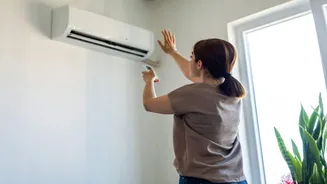
To improve sleep quality during heat waves, Dr Gopal recommends maintaining a cool sleeping environment. Simple measures such as wearing lightweight cotton clothing, staying adequately hydrated, avoiding heavy meals and caffeine close to bedtime, and ensuring proper ventilation or cooling can make a significant difference.
She also advises taking a lukewarm bath before bed and limiting screen exposure at night, as these habits can help the body relax and improve overall sleep quality.
“Quality sleep is not just about the number of hours spent in bed,” notes Dr Gopal. “Environmental factors such as temperature and humidity play a crucial role in how restorative that sleep actually is.”