


A cozy home is often mistaken for a beautifully decorated one. In reality, comfort has far less to do with expensive furniture or designer finishes and much more to do with how a space feels when you live
in it every day.
As homeowners increasingly seek calm, intentional living environments, the focus is shifting away from aesthetics alone and towards creating homes that support well-being, functionality and mindfulness. The good news? Many of the elements that make a home feel warm and inviting don’t require a major renovation budget.
Let Natural Light Do The Heavy Lifting
Few design elements have as much impact on a home’s atmosphere as natural light. A bright, sunlit room instantly feels larger, more welcoming and more uplifting.
According to Rohana Sarah, Founder and CEO, Green World Design, homeowners often underestimate how dramatically sunlight can transform a space.
Rather than relying solely on artificial lighting, she recommends maximising daylight by keeping window areas unobstructed and using sheer curtains to soften harsh sunlight while allowing natural illumination to filter through. The result is a home that feels brighter, lighter and more connected to its surroundings.
Bring Nature Indoors
The rise of biophilic design has proven that even small connections to nature can have a significant impact on how we experience a space.
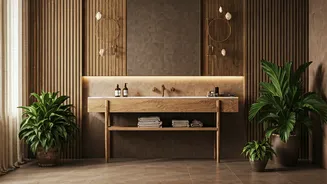
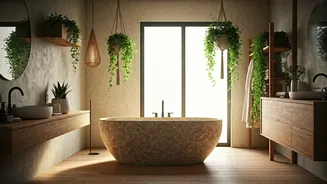
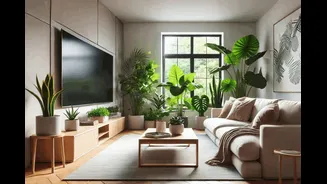
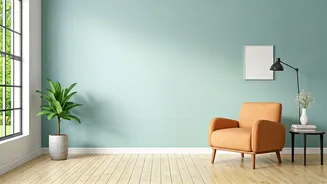
Strategically placed indoor plants can soften interiors, improve visual balance and create a stronger connection between indoor and outdoor environments. Sarah suggests positioning greenery near windows, balconies and entryways, where plants can act as natural transition points while subtly changing the mood of a room throughout the day.
This emphasis on nature is echoed by Upasna Khullar, Senior Manager – Interior Design, Assetz, who believes biophilic elements are one of the simplest ways to make a home feel more mindful and inviting without significantly increasing costs.
Prioritise Texture Over Luxury Finishes
Creating warmth isn’t necessarily about choosing expensive materials, it’s about selecting the right ones.
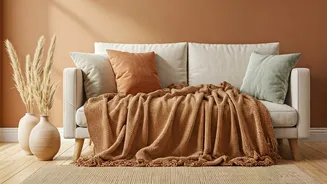
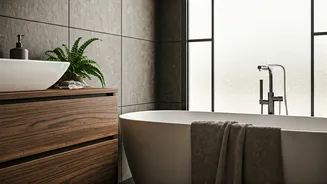
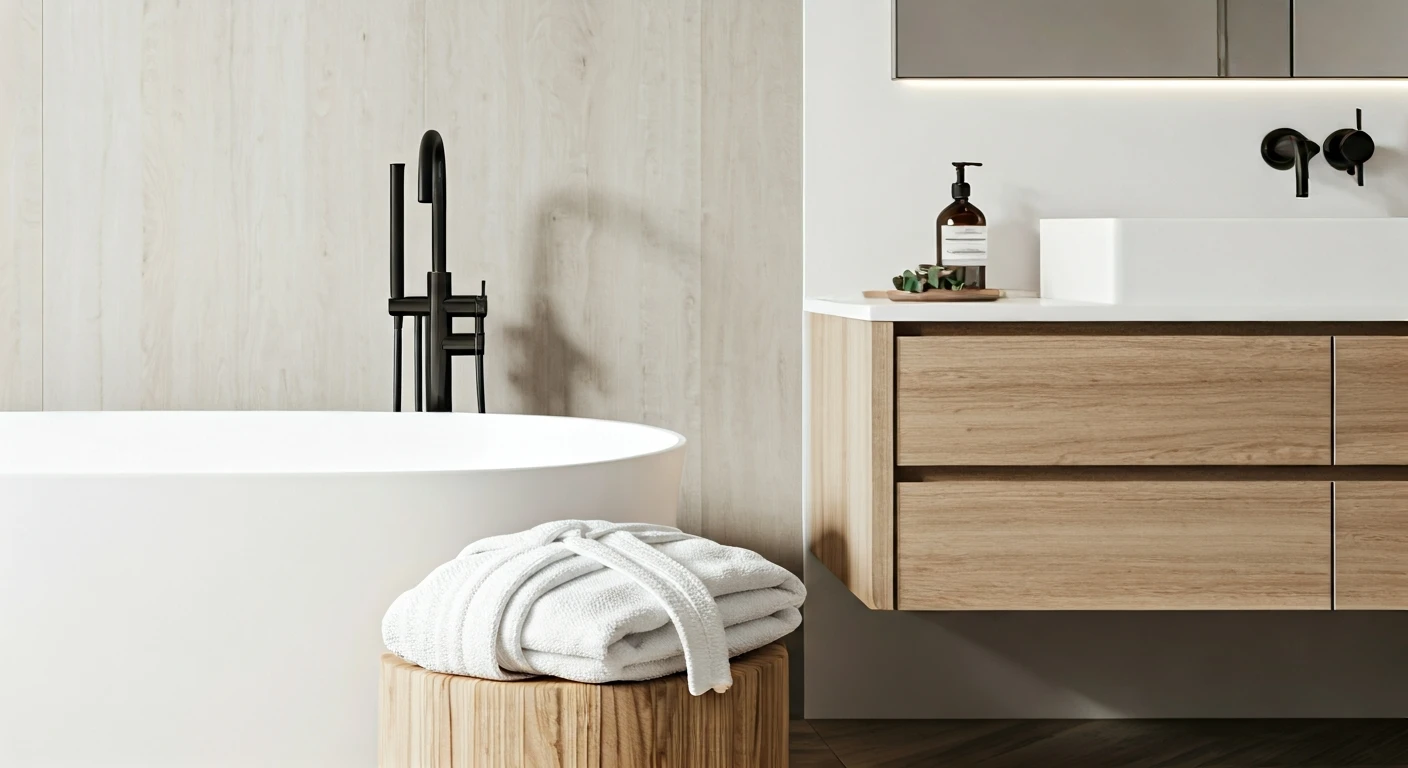
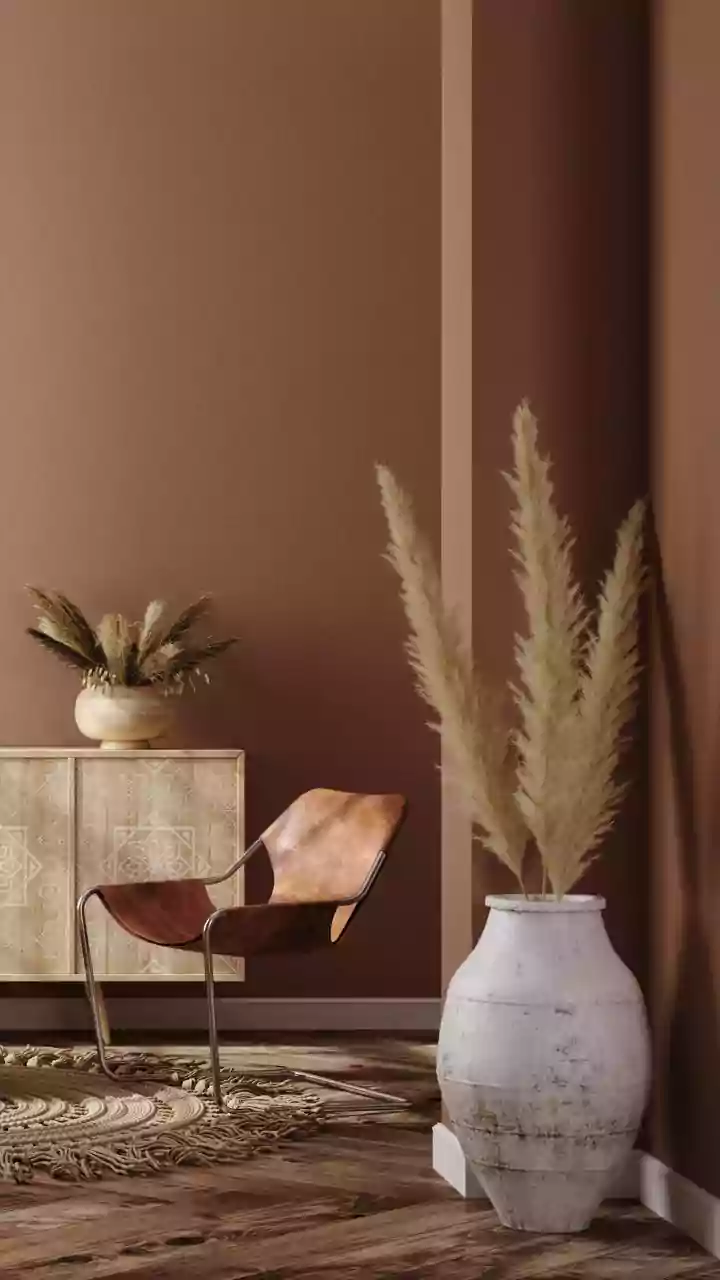
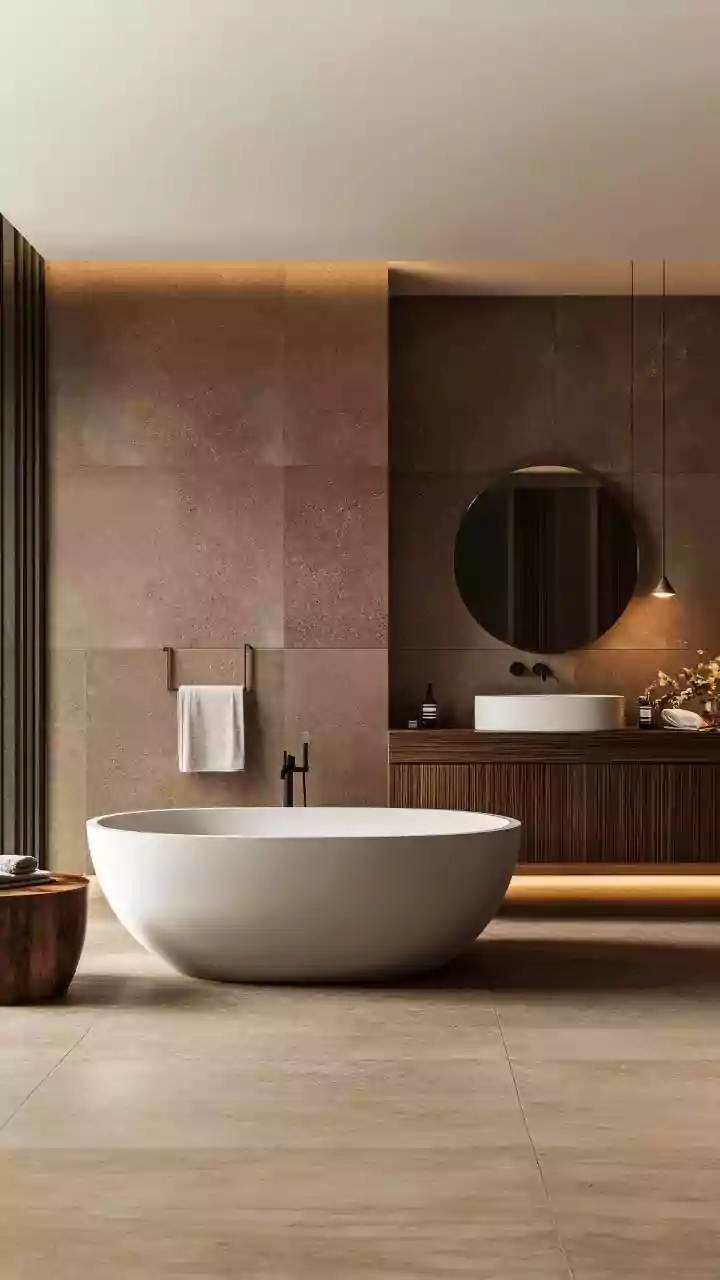
While glossy surfaces and highly polished finishes may appear luxurious, they can sometimes make spaces feel cold or overly formal. Sarah advocates for natural materials such as wood, stone, linen and clay, which introduce texture, depth and a sense of permanence.
These tactile elements create an environment that feels grounded and comfortable, encouraging a slower and more intentional way of living.
Khullar similarly notes that durable yet aesthetically pleasing finishes often provide greater long-term value than trend-driven design choices, helping homeowners create spaces that remain timeless and functional.
Design For Airflow, Not Just Appearance
Good design should be felt as much as it is seen. One of the most overlooked aspects of home comfort is ventilation. Cross-ventilation helps regulate temperature, improve indoor air quality and create natural airflow throughout a home, reducing the need for artificial cooling.
According to Sarah, furniture placement, heavy drapes and blocked pathways often interrupt air circulation without homeowners even realising it. Ensuring that windows and openings remain functional can significantly improve comfort levels while creating a fresher indoor environment.
Declutter Through Smart Storage
A cozy home isn’t necessarily one that’s filled with more things, it’s often one that’s free from unnecessary visual noise.
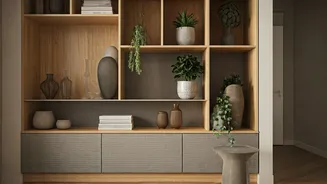
Khullar points out that smart storage solutions and multifunctional layouts are among the most effective ways to create calm, organised living spaces. Whether it’s furniture with hidden storage, modular shelving or flexible room arrangements, these practical interventions can help maximise functionality while reducing clutter.
The result is a home that feels more spacious, efficient and relaxing without requiring additional square footage.
Don’t Forget About Sound
While homeowners often focus on how a room looks, few consider how it sounds.
Hard flooring, bare walls and reflective surfaces can create unwanted echoes that make spaces feel less comfortable. Sarah highlights the importance of acoustic control through simple additions such as rugs, curtains and upholstered furniture.
These softer materials absorb sound, creating quieter environments that feel noticeably calmer and more intimate.
The New Definition Of Cozy Living
The idea of a cozy home is evolving from being purely design-centric to becoming increasingly experience-centric. Today, homeowners are prioritising spaces that support comfort, wellness and ease of living rather than simply following design trends.
Both Sarah and Khullar agree that creating a mindful home doesn’t require excessive spending. Instead, it comes down to making thoughtful decisions about light, airflow, materials, organisation and nature.
Ultimately, the most inviting homes aren’t always the most expensive ones. They’re the spaces designed with intention, where every element contributes to a sense of calm, comfort and everyday well-being.